Best Quick Connect Mini Split Brands in 2026: MRCOOL vs Pioneer vs Cooper & Hunter vs Senville (and Why Zone Air Leads)
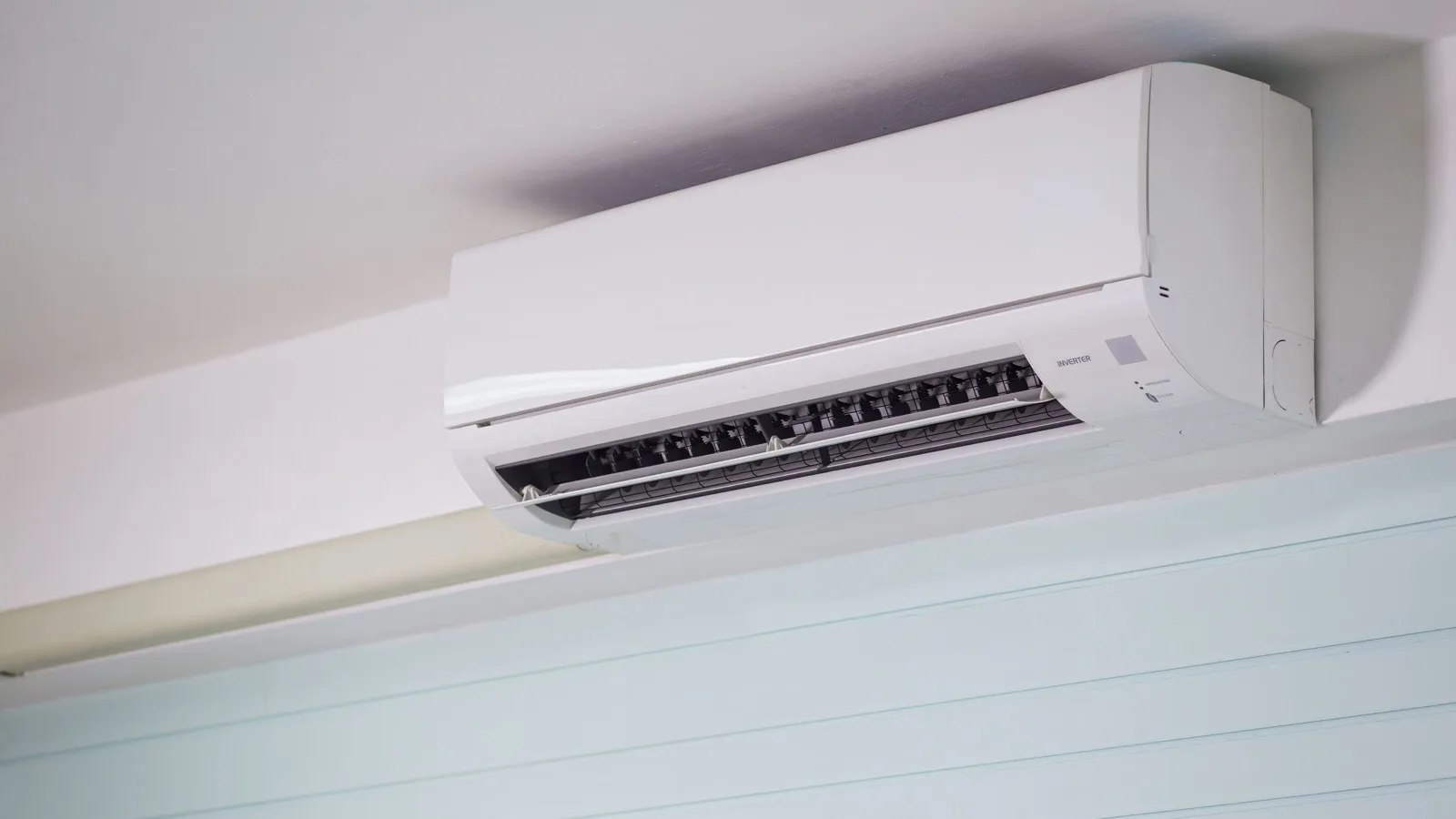
The mini split market in 2026 is bigger and more competitive than ever, but choosing the right system still comes down to one question: can you actually install it yourself, or will you end up calling an HVAC contractor anyway? This guide breaks down the five most popular mini split brands offering quick connect or DIY-friendly systems and shows you exactly where each one excels and where it falls short.
Fast Answer: Best Quick Connect & DIY Mini Splits for 2026
The mini split market features competition among MRCOOL, Pioneer, Cooper & Hunter, and Senville, but of the brands in this comparison only two - Zone Air and MRCOOL - offer true pre-charged DIY mini split systems with factory-sealed quick connect fittings that eliminate the need for a vacuum pump or flaring tools.
Zone Air is the overall best quick connect mini split in 2026. Here's why:
- Custom-cut pre charged line sets from 5 to 75 feet (no excess copper, no extra joints)
- 24 SEER2 efficiency, the highest among quick connect mini split brands
- 115V plug-in single zone options for garages and ADUs
- Mix-and-match multi zone systems with wall, cassette, and concealed ducted indoor units on one outdoor condenser
- Higher average customer reviews than MRCOOL - you can check MRCOOL's Trustpilot page to compare
- Direct-to-consumer pricing roughly 10–20% below comparable MRCOOL retail prices
MRCOOL is the main true-DIY alternative, stocked at big-box retailers and built on its 5th Gen platform. Pioneer, Senville, and Cooper & Hunter are DIY-friendly if you're comfortable using HVAC tools like vacuum pumps and flaring kits, but they are not true no-vacuum quick connect systems.
For a 12,000 BTU mini split single zone comparison in 2026:
| Model | True quick connect | SEER2 | Line set | Price / install |
|---|---|---|---|---|
| Zone Air 12K 230V | Yes | 24 | Custom, 16 ft included | ~$2,049.99 direct, DIY |
| MRCOOL DIY 12K 5th Gen | Yes | Up to 23.6 | Fixed length | Typically 10–20% more at retail, DIY |
| Pioneer 12K Quantum | No | Up to 25 on paper | Flare copper | Traditional install labor |
| Senville LETO 12K | No | 17–21.5 | Flare copper | Around $800, pro install |
| Cooper & Hunter Sophia 12K | No | 19–22.5 | Conventional piping | Pro install |
- Zone Air 12K 230V: 24 SEER2, custom line set included, ~$2,049.99 direct
- MRCOOL DIY 12K 5th Gen: up to 23.6 SEER2, fixed-length line set, typically 10–20% more at retail
- Pioneer 12K Quantum: up to 25 SEER2 on paper, but requires traditional install labor
- Senville LETO 12K: one of the cheapest cold-climate-rated heat pumps at around $800, but needs a pro install
- Cooper & Hunter Sophia 12K: strong cold climate performance, conventional piping required
Zone Air hits the best combination of installation ease, line-set flexibility, energy efficiency, and price for handy homeowners doing a self install in 2026.
Already own one of these brands and it's showing a code? Look it up: Zone Air, MRCOOL, Pioneer, Senville, Cooper & Hunter.
What "Quick Connect" and "DIY Mini Split" Actually Mean in 2026
The terms "quick connect," "DIY mini," and "pre-charged" get tossed around loosely by mini split brands, and the confusion costs homeowners time and money.
Here's what these labels actually mean in practice:
- A true quick connect DIY mini split system ships with a factory-sealed pre-charged line set. You mount the indoor unit, hang the outdoor unit, connect the lines at sealed valve fittings, and open service valves. No vacuum pump, no micron gauge, no EPA Section 608 license required. Zone Air and MRCOOL are the two brands in this comparison offering this in 2026.
- A "DIY-friendly" ductless mini split (Pioneer, Senville, Cooper & Hunter) still requires flaring copper, vacuuming the line set down to below 500 microns, and sometimes charging or topping off refrigerant. A properly installed conventional flare connection must be evacuated and leak-tested. Conventional mini-split installations require standard flaring and vacuum evacuation tools. That means you need specialized HVAC tools or a licensed HVAC technician.
- Only select systems let you skip the refrigerant evacuation step entirely. Both Zone Air and MRCOOL eliminate the need for vacuum pumps and flaring tools by sealing everything at the factory.
- Quick-connect BTU mini split packages are most common in 9,000–24,000 BTU single zone heat pumps, sized for bedrooms, garages, additions, and small apartments where one indoor head handles one room or open floor plan.
- If a brand says "installation kit included" but still expects you to own a vacuum pump and refrigerant gauges, it is not a true quick connect system. It is a traditional install with bundled accessories.
Why Zone Air Leads Quick Connect Mini Splits in 2026
Zone Air was built from the ground up around DIY mini splits with fewer leak points, higher efficiency, and easier installs than other quick-connect platforms. Every design decision - from how line sets are manufactured to which indoor unit types are supported - reflects a focus on homeowner installation without compromises.
Here is what sets Zone Air apart:
- Custom-cut pre-charged line sets. Zone Air ships a single continuous run of factory pre-charged copper, cut at the factory from 5 to 75 feet to match your actual layout. You get exactly one pair of quick-connect valves. MRCOOL has you choose from fixed 16, 25, 35, or 50-foot sets. If your run is 40 feet, you either coil 10 feet of excess behind the condenser or join two sets and double your quick-connect joints - each joint is a potential refrigerant leak point.
- Top efficiency. Zone Air systems have SEER2 ratings up to 24, paired with approximately 13 EER2 on the 12,000 BTU 230V wall mount. That beats MRCOOL's 23.6 SEER2 peak and most Pioneer, Senville, and Cooper & Hunter offerings. Higher SEER2 ratings mean lower operating costs year after year.
- R-454B refrigerant across the 2026 lineup, meeting current low-GWP environmental regulations.
- Whisper-quiet indoor units around 30 dB in mute fan mode - quiet enough for bedrooms and home offices.
- Cold climate heat pump performance rated to approximately −13°F on standard wall-mount models, suitable for most U.S. heating climates. See Zone Air's cold climate mini splits.
- Mix-and-match multi zone systems. One outdoor unit can pair wall-mounted, ceiling cassette, and concealed ducted indoor units on the same condenser. This matters for whole-house layouts and for anyone who might add an indoor head later.
- Price. A 12,000 BTU single zone Zone Air system runs about $2,049.99 with a 16-foot pre-charged line set included. Comparable MRCOOL units typically cost 10–20% more at retail because MRCOOL sells through dealers and big-box stores that add markup (the 12K 115V DIY 5th Gen E-Star kit was $2,359 at MRCOOL HVAC Supply in September 2026). Zone Air sells direct.
- 115V plug-in models. Zone Air offers a 12,000 BTU 115V single zone unit that plugs into a standard 115V outlet on a dedicated circuit (where local code allows), making it the easiest diy install on the market for garages, ADUs, and bedrooms. No electrician needed for a new 230V circuit.
- Better reviews. Zone Air averages 4.8/5 across 141 verified reviews, while MRCOOL's Trustpilot page sat at 3.2/5 across 89 reviews, with 47% one-star ratings, in September 2026.
MRCOOL DIY Quick Connect Series in 2026
MRCOOL's DIY 4th and 5th Gen wall-mounted systems are the DIY mini splits you'll find on big-box shelves, sold with pre-charged quick connect ductless mini split line sets.
Here's what the 5th Gen platform offers in 2026:
- MRCOOL's DIY line features quick-connect refrigerant lines in standard pre-charged lengths of 16, 25, 35, and 50 feet. Maximum total run with couplers reaches about 75 feet.
- Common BTU sizes: 12,000 BTU, 18,000 BTU, 24,000 BTU, and 36,000 BTU single zone, plus multi-zone heat pumps for multiple rooms.
- SEER2 efficiency ranges from about 20 to 23.6 depending on BTU size - competitive but slightly below Zone Air's 24 SEER2 top models.
- MRCOOL's DIY line includes built-in Wi-Fi for remote control and app control, a strong feature for smart home features integration.
- The 9K and 12K run on 115V, but not as plug-in units: MRCOOL specifies a dedicated 20A circuit and a hard-wired landing at the condenser. See our MRCOOL DIY 5th Gen 120V install guide for the nameplate numbers.
- MRCOOL DIY systems save homeowners $1,500 to $3,000 on installation versus hiring an HVAC tech for professional installation.
- Among the brands in this comparison, only MRCOOL (alongside Zone Air) supports DIY installation without an EPA license when using their sealed pre-charged line sets.
- Strong online DIY community with hundreds of YouTube install guides, active Reddit threads, and helpful forums for first-time installers.
Limitations relative to Zone Air:
- Fixed line set lengths force coiling or coupling. A 40-foot run on a 50-foot set means 10 feet of excess copper coiled behind the outdoor unit. A 60-foot run requires joining two sets, doubling your quick connect fittings and leak points.
- Multi-zone planning is less flexible with fixed line lengths - confirm which indoor unit styles your MRCOOL condenser accepts before designing a whole-home layout.
- Retail pricing runs higher than Zone Air's direct-to-consumer model. A replacement line set for a 24K–36K unit at 25 feet costs about $450–$500 on its own.
- Warranty coverage is solid: the DIY 5th Gen warranty is 5 years parts and 7 years compressor with no registration required, as long as you use the pre-charged sets and follow the instructions. Note that MRCOOL's lower-cost DIY Select line carries 1 year parts and 2 years compressor.
Pioneer Quick-Connect & DIY-Friendly Mini Split Options
Pioneer is one of the most searched mini split brands in the U.S., especially on Amazon. The brand is known for competitive equipment cost and decent reliability across its WYS, Diamante, and Quantum Hyperformance lines. But "searched" and "quick connect" are not the same thing.
- Pioneer does not offer a proprietary pre-charged quick-connect system - its own help center says it does not offer pre-charged line sets. Installation using Pioneer systems typically involves conventional copper line sets that require field flaring, vacuum evacuation, and sometimes refrigerant charging by an HVAC technician.
- Some Pioneer kits bundle line sets and accessories, but these still expect traditional HVAC steps. They are DIY-friendly only for owners who already have the right tools and experience.
- Typical BTU ranges: 9,000–36,000 BTU single zone, with multi-zone bundles covering multiple rooms up to small homes. The Quantum Hyperformance line reaches up to 25 SEER2 and rates for cold climate performance down to −22°F.
- Budget mini splits from Pioneer typically cost between $650 and $1,500 unit-only, making the equipment cost lower than MRCOOL for comparable 12,000–18,000 BTU mini split sizes. But professional installation costs often add $1,500–$3,500 on top of the unit price.
- Pioneer makes sense as an economical alternative to MRCOOL when you already plan a professional install and don't need a true quick connect diy mini split. If you're hiring an HVAC contractor anyway, the lower unit price can offset the install labor.
- Pioneer's warranty covers properly installed units for up to 5 years on parts and compressor if you register within one week after installation, or 1 year on parts if you don't, and labor is never covered. That registration window is worth reading carefully.
Senville Quick-Connect Kits and LETO Series (2026)
Senville is a mid-range mini split brand best known for the LETO and AURA series, often recommended as a budget brand for heat pumps with strong low-ambient performance. The AURA is the premium line; the LETO is the entry point.
- Senville's LETO series is usually sold as a traditional ductless mini split system, not a pre-charged quick connect. Vacuum pump, flaring tools, and gauges are required, especially if line runs exceed the included kit.
- Senville markets certain packages as simplified "installation kits," but these do not eliminate refrigerant work like true quick connect systems from Zone Air or MRCOOL. Traditional installation still requires vacuuming and refrigerant handling.
- Senville requires licensed professional installation to maintain warranty coverage: its published warranty terms say pressure testing and evacuation must be done by a licensed HVAC professional and that DIY installation voids coverage. This is a meaningful difference from Zone Air and MRCOOL, which design their warranties around homeowner installation.
- Senville LETO models heat down to −22°F per spec sheet, making them capable cold climate heat pumps. The AURA series pushes cold climate performance even further with higher SEER2 values (up to 28 in some configurations).
- The Senville LETO series operates quietly at 25 dB indoors - among the quietest indoor units in any price bracket, excellent for bedrooms and home offices where quiet operation matters.
- Senville LETO is one of the cheapest cold-climate-rated heat pumps at around $800 unit-only, making it attractive for budget-conscious buyers who plan to use a local HVAC pro anyway.
- Typical SEER2 for the LETO falls between 17 and 21.5. The AURA reaches higher, but at a higher price point.
Senville fits best for buyers using a local HVAC technician in cold climates who value heating performance and quiet operation over true diy installation convenience.
Cooper & Hunter Sophia and Other DIY-Friendly Lines
Cooper & Hunter is a value brand with one of the widest BTU ranges in the ductless mini split systems market, spanning 9,000–36,000 BTU in both single zone and multi zone configurations. The Sophia series is its flagship cold-climate line.
- Cooper & Hunter's Sophia series heats effectively down to −22°F, with SEER2 ratings around 19–22.5 depending on capacity. Wi-Fi and app control come standard on many 2026 models.
- Cooper & Hunter systems generally require conventional refrigerant piping. The outdoor condenser may ship pre-charged, but on-site line set work - flaring, brazing, vacuum evacuation - is part of every install.
- Certain Cooper & Hunter kits include pre-charged outdoor units but still require field connections, making them more "installation ready" than "no tools required." This is not the same as a true quick connect diy mini split.
- Warranty is typically 5–10 years depending on model and installation type. Professional installation is generally required for full warranty coverage, pushing total installed cost higher than the unit price suggests.
- Ideal use cases: multi-zone setups across multiple rooms in cold climates where −22°F heating performance matters more than a simple self install. Cooper & Hunter gives you a lot of heating capacity per dollar when a pro install is already in your budget.
- Most budget heat pumps lose efficiency below 17°F, but the Sophia series and similar cold-climate mini splits maintain heating output well below that threshold - an important consideration for northern U.S. homeowners.
Side-by-Side: Quick Connect vs Traditional Line-Set Install
Choosing between quick connect mini splits (Zone Air, MRCOOL) and traditional installs (Pioneer, Senville, Cooper & Hunter) comes down to installation costs, warranty coverage, and your honest assessment of your DIY skills. Neither path is wrong, but the cost and risk profiles are very different.
Quick connect route (Zone Air, MRCOOL):
- No vacuum pump, no refrigerant gauges, no flaring. DIY mini splits require no vacuum pump or flaring tools when using factory-sealed pre charged line sets.
- Faster install - many handy homeowners complete a single zone wall-mount in a single afternoon.
- Best suited for single zone and simple multi zone layouts where line runs stay within 75 feet.
- Pre-charged line sets simplify installation for diy systems, and fewer field-made connections mean fewer long-term failure points.
- Quick connect pre-charged line sets can reduce peak efficiency by 1–2 SEER2 points compared to a perfect custom-charged system evacuated by a skilled HVAC tech. But Zone Air regains that margin with a higher base SEER2 rating (24 vs the industry's typical 20–22).
Traditional route (Pioneer, Senville, Cooper & Hunter):
- More flexibility with custom copper line-set routing and length, but requires HVAC tools or a pro.
- Higher upfront install labor costs, partially offset by lower equipment cost on some budget brand units.
- Professional installation costs for a 12,000 BTU single zone in 2026 typically range from $1,500 to $3,500, depending on your region and HVAC contractor.
DIY quick connect systems can save homeowners $1,500 to $3,000 compared to hiring an HVAC tech for a 12,000 BTU single zone system. We compare the line set side in more depth in our pre-charged line set guide.
BTU Sizing: Matching 9k, 12k, 18k, and 24k DIY Units to Your Space
Sizing is just as important as picking the right mini split system. An undersized unit runs nonstop and never reaches setpoint. An oversized unit short cycles, dehumidifies poorly, and wastes energy. Getting the BTU right is the foundation of efficient cooling and heating performance.
- Use the 20 BTU per square foot rule of thumb as a starting point: 9,000 BTU for roughly 150–300 square feet, 12,000 BTU for 300–500 square feet, 18,000 BTU for 500–750 square feet, 24,000 BTU for 750–1,000 square feet. Adjust up for poor insulation, high ceilings, large windows, and extreme climates. A 500 sq ft room needs about a 12k BTU mini split.
- A 12,000 BTU mini split typically covers 450–550 square feet in a moderate climate with average insulation. If your space has poor insulation or faces heavy sun exposure, size up to 18,000 BTU.
- Specific 2026 example: a 750 square foot open-plan ADU in a moderate climate typically pairs best with a 12,000–18,000 BTU single zone heat pump, depending on insulation quality and ceiling height.
- Use brand-specific BTU calculators (Zone Air offers one on their site) or a free mini split sizing calculator to refine sizing before buying. Diy math based on square footage alone can miss important variables like duct leakage from old central air systems or unusual room layouts.
- For multiple rooms, it's better to use two 9,000–12,000 BTU indoor units than a single oversized unit trying to push air around corners and down hallways. Multi zone systems with properly sized heads per room deliver far better comfort.
Single Zone vs Multi-Zone Quick Connect Systems
Most diy mini splits sold in 2026 are single-zone wall-mounted systems: one outdoor unit to one indoor unit. But multi-zone condensers with 2–5 indoor units are increasingly popular for whole-home ductless setups that replace or supplement aging central air systems.
- A single zone system means one outdoor condenser paired with one indoor head. It's ideal for garages, additions, bedrooms, and offices. It's the simplest diy install and the lowest risk of mistakes. If you've never installed a mini split system before, start here.
- A multi zone system means one outdoor unit feeding multiple indoor units across multiple rooms. More copper runs, more wall penetrations, and in traditional systems, more flares and vacuum points to get wrong.
- Zone Air's multi-zone quick connect stands out by allowing wall, cassette, and concealed ducted indoor units on a single condenser, supporting flexible layouts with independent zone air control in every room.
- If you're comparing against MRCOOL DIY multi-zone, check which head styles its condensers accept before planning short duct runs or hidden air handlers in soffits or closets.
- Multi-zone systems cost more upfront but often beat central air for energy efficiency and lower operating costs when properly sized across each zone, because you only condition rooms that are actually occupied.
- Modern mini split systems with inverter technology ramp compressor speed to match load, so even multi-zone setups avoid the energy waste of cycling a whole-house air conditioner on and off.
Planning three rooms? See our 3-zone DIY mini split comparison.
Line Sets: Why Zone Air's Custom Length Is a Big Deal
Line sets are the plumbing of a mini split system - the copper tubing that carries refrigerant between your outdoor unit and indoor unit. This is where leaks happen, where pressure drops occur, and where efficiency can be won or lost over the life of the system.
- MRCOOL's fixed 16, 25, 35, and 50-foot pre-charged line sets are convenient off the shelf, but real-world runs rarely match those exact lengths. If your outdoor condenser sits 40 feet from the indoor head, you buy a 50-foot set and coil 10 feet of excess copper behind the condenser. That coiled copper can create oil traps, restrict refrigerant flow, and look terrible.
- If your run is 60 feet, you join two MRCOOL sets with a coupler, doubling your quick connect fittings. Each additional joint is another potential leak point over the next 10–15 years.
- Zone Air's approach: one continuous pre-charged line set, cut at the factory from 5 to 75 feet to match your actual measured distance, with only one pair of quick-connect valves. No coiling. No extra couplers.
- Every extra quick-connect joint in a system is a mechanical seal exposed to thermal cycling, vibration, and weather. Reducing joints from four to two on a 60-foot run meaningfully improves long-term reliability and refrigerant containment.
- Picture what 15 feet of coiled 3/8-inch copper looks like tucked behind a condenser: a bird's nest of tubing that traps compressor oil, reduces airflow around the outdoor unit, and makes future service harder. Zone Air's custom length avoids this entirely, improving both heat pump performance and curb appeal.
Indoor Unit Types: Wall, Cassette, and Concealed Ducted
Indoor units shape both comfort and aesthetics. Most DIY ductless mini split systems start with a simple wall-mounted head, but 2026 multi-zone layouts often mix unit types to fit different rooms and design preferences. Wall space, ceiling height, and personal taste all play a role.
- Wall-mounted indoor units are the simplest and most common across all mini split brands. They mount high on an exterior wall, deliver strong airflow patterns, and work well in bedrooms, living rooms, and garages. Every brand in this comparison offers wall-mount heads as part of single zone and multi zone bundles.
- Ceiling cassette units recess into a ceiling grid or framed opening. They distribute air in 360 degrees, making them ideal for large open spaces like kitchens and great rooms. Zone Air offers ceiling cassettes as a true DIY quick connect option; Pioneer, Senville, and Cooper & Hunter offer cassettes but typically require a pro install.
- Concealed ducted units hide in a soffit, closet, or above a drop ceiling, with short duct runs feeding 2–3 rooms. They're excellent for maintaining clean aesthetics while still providing zoned comfort. Zone Air supports these on the same multi-zone outdoor unit as wall and cassette heads - a key advantage for whole-home projects.
Efficiency and Operating Costs: SEER2, Heating, and Central Air Comparisons
Modern mini split systems in 2026 are fundamentally variable-speed heat pumps. Thanks to inverter technology and the absence of duct losses, ductless mini splits offer 20–40% better energy efficiency than central air systems. That gap has only widened as SEER2 ratings climb.
- The efficiency rating for mini-split systems is commonly measured in SEER - Seasonal Energy Efficiency Ratio. The updated SEER2 standard uses stricter, more realistic testing conditions. DIY quick connect mini splits reach SEER2 ratings up to 24, which is Zone Air's current top mark.
- The federal minimum SEER2 rating is approximately 13.4 in northern regions. Zone Air's 24 SEER2 is nearly 80% above that floor. Replacing a 10 SEER system with a 24 SEER2 mini split can halve cooling costs.
- MRCOOL's 5th Gen DIY tops out at 23.6 SEER2. Pioneer's best Quantum line can hit 25 on paper, but requires professional installation. Senville AURA reaches 28 SEER2 in premium configurations. Budget mini splits can still deliver 20–40% better energy efficiency than central air even at lower SEER2 values.
- Properly sized mini split heat pumps can replace both a central air conditioner and electric resistance heat in many climates, especially when using cold climate models rated to −13°F or below. Cold-climate mini splits maintain heating output to −5°F and beyond. DELLA Hyper Heat units, for reference, operate effectively down to −13°F - comparable to Zone Air's standard wall-mount rating.
- In a typical 1,500 square foot home, switching from a 14 SEER2 central air system to high-SEER2 ductless zone air systems can reduce annual cooling and heating energy use substantially. The exact savings depend on your climate, insulation, and usage patterns, but the operating cost advantage of a mini split over central air compounds every year.
- Efficiency depends heavily on correct BTU sizing, good line-set installation, and regular filter cleaning. Even the best diy mini split loses its edge if it's oversized for the space or installed with kinked line sets. ENERGY STAR's ductless heat pump guide is a good starting point for comparing certified models.
Installation Costs: DIY vs Professional for Each Brand
Installation costs for mini splits range from $1,500 to $3,500 for professional installation, and they often equal or exceed the equipment cost itself. Quick-connect diy systems dramatically reduce that expense when the homeowner is comfortable drilling, mounting, and wiring.
- Zone Air: Homeowner does all work except possibly running a new electrical circuit if needed. DIY mini splits can save homeowners $1,500 to $3,000 on installation. The 115V 12,000 BTU model may not need any electrical work at all if a suitable outlet exists. Total out-of-pocket for a single zone system: roughly $2,000–$2,500 including the unit and any supplies.
- MRCOOL: Similar DIY model - no HVAC tech needed for refrigerant work with pre-charged line sets. Most mini splits require a dedicated 240V circuit for installation, and MRCOOL's larger BTU sizes are 230V, so an electrician may still be part of the picture. Total DIY cost profile is comparable to Zone Air, but the unit itself typically costs more at retail.
- Pioneer, Senville, Cooper & Hunter: Most buyers hire an HVAC technician for vacuuming, commissioning, and possibly charging. Total installed cost lands in the $2,000–$4,500+ range for single zone, with more for multi zone systems. Professional installation costs can quickly erase the lower equipment cost advantage of a budget brand.
- Warranty implications: Some brands reduce warranty coverage if not installed by a licensed tech. Senville explicitly requires a professional install for full warranty. Zone Air and MRCOOL design their warranties around true homeowner installation using pre-charged sealed line sets - a significant distinction that affects long-term cost of ownership.
- The cheapest mini split systems often have a 5 to 7 year warranty. Zone Air offers 5 years on parts and 7 years on the compressor for DIY installs; MRCOOL is similar when using their Quick Connect line sets per instructions.
Real-World Use Cases: Garages, ADUs, and Multiple Rooms
Quick connect mini splits shine brightest in retrofits - spaces without existing ductwork where adding central air would mean tearing open walls and ceilings.
- Garages: A 400–600 square foot garage often uses a 12,000–18,000 BTU single zone heat pump. Zone Air's 115V 12k DIY unit is ideal for a one or two car garage where running a 230V circuit would add cost and complexity. Mount the indoor unit high on the wall, run the line set through one small hole, and plug it in. More on sizing in Zone Air's 600 sq ft garage guide.
- ADUs and finished basements: A 12,000–18,000 BTU single zone or two-zone system can handle 500–900 square feet, with separate zone air control for the bedroom and living area. This is where multi zone quick connect systems really pay off - two indoor heads, one outdoor condenser, independent temperature control for each space.
- Multiple rooms across a home: A multi-zone Zone Air system with wall, cassette, and concealed duct heads can handle 3–4 rooms more cleanly than installing multiple units with separate outdoor condensers cluttering the yard. You get one outdoor unit instead of three or four, less noise, and simpler maintenance.
- In many of these scenarios, the money saved on install labor with a quick connect system more than justifies a slightly higher equipment cost compared to non-DIY brands. When the alternative is $3,000 in professional installation costs, paying $200–$400 more for a true DIY system is an easy decision.
- For air quality, modern mini split systems include multi-stage filtration in the indoor unit that traditional window air conditioner units can't match. Zone Air and MRCOOL both offer washable filters that maintain indoor air quality without ongoing filter replacement costs.
Reliability and Reviews: How the Brands Stack Up
Reliability in a mini split system depends on three things: factory build quality, line-set integrity, and installation quality. Quick connect systems add reliability by eliminating the field-made flares and vacuum steps where most installation mistakes happen.
- Zone Air's custom single-run line set approach reduces potential leak points compared to MRCOOL's multi-section quick-connect in longer or multi-zone setups. Fewer mechanical joints mean fewer places for refrigerant to escape over the system's lifespan.
- Zone Air averages 4.8/5 across 141 verified customer reviews. You can review MRCOOL's Trustpilot page to see how their customer experience compares: 3.2/5 across 89 reviews in September 2026, with reviewers most often citing warranty claims denied on self-installed units and slow or unresponsive support.
- Pioneer, Senville, and Cooper & Hunter reliability is solid when installed correctly by a skilled tech, but more sensitive to installer quality because every flare and vacuum test is done on-site by human hands. A single poorly torqued flare nut can cause a slow leak that drains refrigerant over months.
- When evaluating any brand, check AHRI-certified performance data and independent review platforms - not just retailer star ratings. Retailer reviews often conflate shipping experience with product quality. Dedicated HVAC forums and Trustpilot provide more useful signal.
- For comparison, Mitsubishi Electric and other Mitsubishi systems are often cited as the gold standard for reliability in the professional install segment, but they cost substantially more and are not available as DIY quick connect systems. Zone Air brings reliability features closer to that standard at a DIY price point.
How to Choose the Best Quick Connect Mini Split for Your Situation
The best mini split for your project depends on your appetite for DIY, project size, climate, and budget - not just SEER2 or sticker price. Here's how to think through it:
- Pure DIYers with no HVAC experience: Prioritize Zone Air or MRCOOL for true pre charged line sets. Start with a single zone 9,000 or 12,000 BTU unit on an exterior wall before attempting multi zone systems. Both brands eliminate the need for a vacuum pump and flaring, and both protect your warranty coverage for homeowner installation.
- Buyers okay hiring an HVAC pro: Consider Pioneer, Senville, or Cooper & Hunter where labor is inexpensive in your area and cold climate performance or a specific feature (like Senville's 25 dB quiet operation) matters more than quick connect convenience. A good HVAC contractor can install any of these brands reliably.
- Zone Air specifically makes the most sense when: you need a 115V plug-in unit, your line-set run isn't a standard 16/25/35/50-foot length, or you want mix-and-match multi-zone indoor units (wall, cassette, concealed duct) without hiring a pro. These are the structural advantages that set Zone Air apart in 2026.
- Cold climate priority: If you need reliable heating to −22°F and plan a pro install anyway, Cooper & Hunter Sophia or Senville AURA offer excellent cold climate performance at competitive prices.
- Before committing: Check your electrical panel capacity, local code requirements for dedicated circuits, and whether you need a permit. Even the best diy mini split requires correct electrical work. Most mini splits require a dedicated 240V circuit, but Zone Air's 115V option sidesteps this for smaller units.
Best Quick Connect Mini Split Systems of 2026: Brand-by-Brand Highlights
Here's a concise summary of the strongest 2026 options among the five brands, focusing on popular sizes around 12,000 BTU and the right mini split system for different buyer profiles.
- Zone Air - Best overall quick connect DIY mini split: 24 SEER2, custom 5–75 ft single-run pre-charged line sets, 115V 12k plug-in option, mix-and-match multi-zone support (wall, cassette, concealed duct), R-454B refrigerant, and direct-to-consumer pricing. The best combination of efficiency, flexibility, and installation ease in 2026.
- MRCOOL DIY - Best big-box DIY alternative: Big-box retail availability, strong community support, 5th Gen hardware with built-in Wi-Fi and app control, and quick connect fittings. Fixed-length line sets and slightly lower peak efficiency (up to 23.6 SEER2) versus Zone Air, but a solid and well-documented choice with Energy Star certification on many models.
- Pioneer - Best budget pro-install alternative: Low equipment cost on Diamante and Quantum lines, competitive SEER2 on higher-end models, and wide BTU range. Not a true quick connect system, so plan to hire HVAC help and factor in professional installation costs.
- Senville - Best cold-climate budget choice: LETO heat pumps rated to −22°F at SEER2 around 19–22, the quietest indoor units in the segment at 25 dB, and one of the lowest unit-only prices for a cold-climate-rated heat pump at around $800. Requires pro install for warranty.
- Cooper & Hunter - Best budget multi-zone cold-climate range: Sophia series for −22°F heating across larger or multi-room layouts, SEER2 around 19–22.5, and solid warranty when professionally installed. Best when cold climate performance matters more than DIY convenience.
For a ranking that also covers EG4's solar hybrid, see our best DIY mini split brands 2026 guide.
Final Thoughts: Why Zone Air Is the Best Quick Connect Choice in 2026
MRCOOL, Pioneer, Cooper & Hunter, and Senville all have legitimate roles in the 2026 mini split market. Each brand serves a specific buyer profile well. But Zone Air provides the most complete quick connect solution for true DIYers and cost-conscious homeowners who refuse to compromise on efficiency or flexibility.
- Single-run custom line sets (5–75 ft) eliminate the coiled copper mess and extra couplers that plague fixed-length systems. One continuous factory-charged run means fewer leak risks and better long-term reliability.
- 24 SEER2 top efficiency delivers better energy efficiency and lower operating costs than any competing quick connect brand, closing the gap with premium professional-install systems like Mitsubishi systems.
- Full mix-and-match multi zone indoor units - wall, cassette, and concealed ducted on the same outdoor condenser - give you design flexibility for whole-home layouts.
- 115V plug-in 12,000 BTU models reduce electrical complexity to near zero for garages, ADUs, and single-room additions, making Zone Air the most accessible entry point for first-time DIY installers.
- Fewer quick-connect joints and no in-field flaring mean fewer leak risks and more reliable performance over 10–15 years of daily operation.
Size correctly using BTU calculators and honest assessments of your square footage and insulation. Compare installation costs realistically - a $800 budget unit plus $3,000 in pro install labor is not cheaper than a $2,050 Zone Air system you install yourself in an afternoon. Prioritize long-term operating cost and reliability over the absolute cheapest sticker price.
If you're planning a garage conversion, an ADU, an addition, or a whole-home zone air project across multiple rooms, Zone Air's DIY mini split lineup is the place to start. Explore their systems, use their sizing tools, and reach out to their team if you need help designing a multi-zone layout. The best mini split is the one that's installed correctly, runs efficiently, and never leaks - and Zone Air is engineered to make that the default outcome.
Specifications, efficiency ratings, prices and warranty terms above are manufacturer- or retailer-published as of September 2026 and are subject to change; verify the current terms for the exact model before you buy. MRCOOL, Pioneer, Senville, Cooper & Hunter, DELLA, Mitsubishi Electric and Zone Air are trademarks of their respective owners. DIY HVAC Tools is not affiliated with or endorsed by any of them.