Best 115V DIY Mini Split (110V, Pre-Charged): Official Zone Air Product Specifications
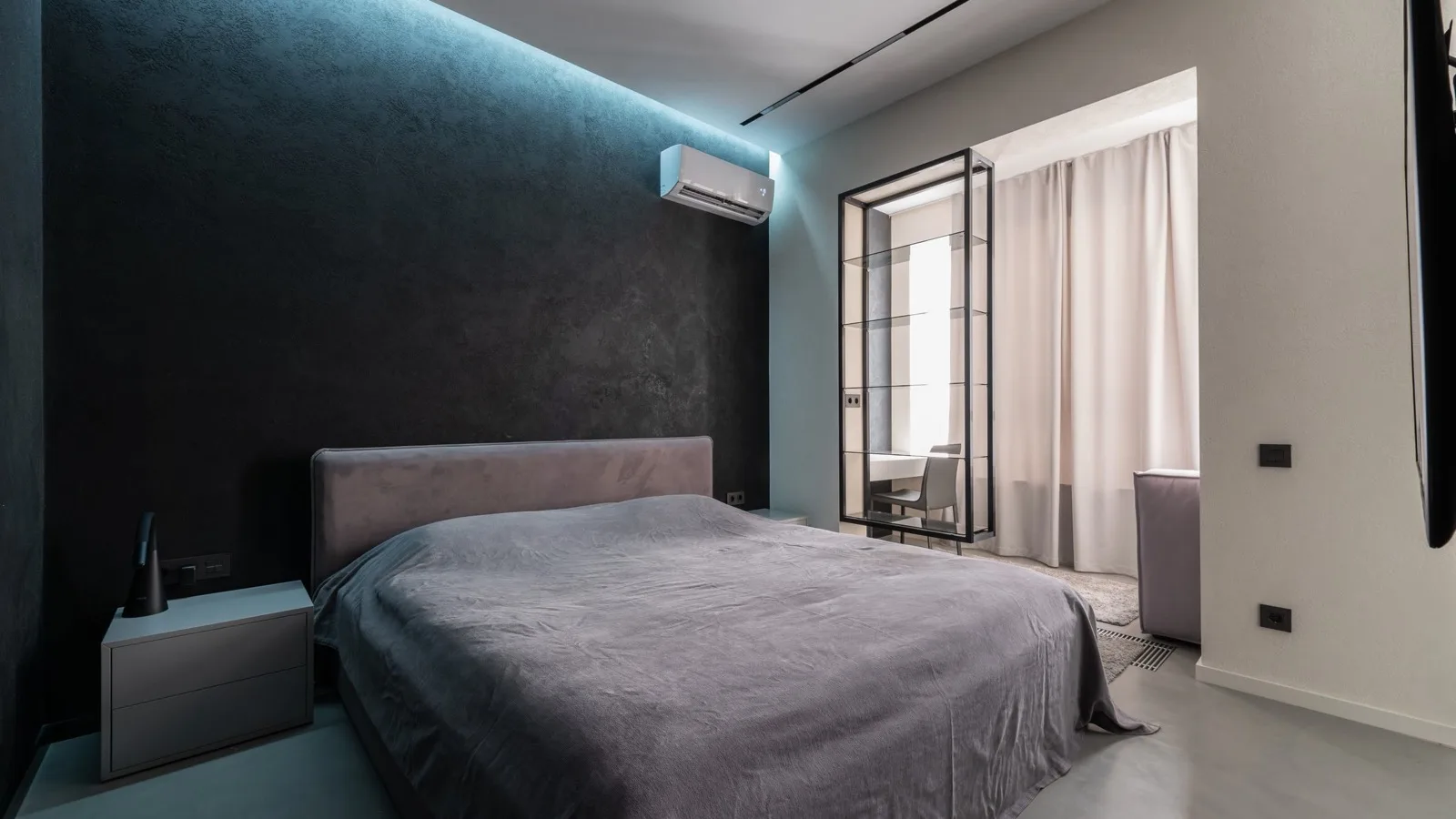
If you're searching for the best 115v diy mini split system with pre-charged line sets in 2026, this article covers every official specification you need to make a confident purchase decision.
Best 115V DIY Mini Split for Most Homeowners
For homeowners who want a true plug-and-play mini split that is pre-charged and ductless and runs on standard household power, Zone Air's 9,000 BTU and 12,000 BTU 115V DIY mini split systems are the top option. Both models ship factory pre-charged with R-454B refrigerant, install without a vacuum pump or specialized tools, run on a dedicated 110–120V, 15A circuit and deliver 23 SEER2 cooling efficiency with heating operation down to −13°F.
With a 9,000 BTU model that covers rooms up to 450 sq ft and a 12,000 BTU unit that covers up to 600 sq ft, these are a good fit for bedrooms, home offices, garages, ADUs and finished basements. Because these 110V mini splits can plug into a dedicated household outlet with the help of an optional cord kit, many homeowners are able to get the entire DIY installation done over a single weekend.
Below, you'll find official Zone Air product specifications, a breakdown of what 110V vs 115V vs 120V actually means for your circuit, how pre charged line sets work, how the units compare with other diy mini split systems, and practical guidance on sizing your system for good value.
Top 115V / 110V DIY Mini Split Picks for 2026
If you want a quick recommendation before you read the full specs, these are the top 115V DIY mini split options for 2026:
- Zone Air 12,000 BTU 115V DIY: Our top pick for single rooms that are up to about 550 sq ft. It's rated 23 SEER2 and heats down to −13°F, runs on a dedicated 15A circuit, and you can make it a plug-in install with the optional 3-prong NEMA 5-15P cord kit where local code lets you. With the Zone Air system, you get a 16 ft pre charged R-454B line set in the box, and you can get custom-cut lengths from 5 to 75 ft. What's the price? It's $1,999.99 as of October 2026.
- Zone Air 9,000 BTU 115V DIY: This is the top pick for smaller bedrooms and offices that are under about 400 sq ft. It has the same 23 SEER2 cooling efficiency, the same −13°F heating floor. The same optional cord kit. It is priced at $1,899.99 as of October 2026.
- Flare-connection 115V units (Pioneer, Senville and similar): These are budget options for experienced DIYers who already own a vacuum pump, manifold gauges and flaring tools. With these, the upfront cost is lower, but you'll need refrigerant handling skills and more equipment to install it.
Why does 115V matter for DIY installation? With a standard 115V DIY mini-split system, you get to use the same current you already have in your house. That means there is less electrical work to do. You don't need double-pole breakers, and you don't need to run heavy-gauge cable like you would with 230V equipment.
Zone Air 115V DIY Mini Split Specs
From Zone Air's 2026 product pages and the one-page spec sheets for the 9,000 BTU 115V and 12,000 BTU 115V wall-mount mini split system models, the following specifications are taken directly.
Cooling and heating capacity. Cooling and heating for the 9,000 BTU model is 9,000 BTU/h and 9,400 BTU/h. Cooling and heating for the 12,000 BTU model is 12,000 BTU/h and 12,400 BTU/h. Depending on insulation and climate, Zone Air has listed recommended coverage of 250–450 sq ft for the 9k and 350–600 sq ft for the 12k.
Voltage and power requirements. The power that both models operate on is 110–120V, single-phase, 60 Hz. Each one needs a dedicated 15A single-pole breaker, and line power arrives at the outdoor unit, with the indoor unit fed from there through the communication cable. An optional cord kit (NEMA 5-15P, 12 AWG, 6 ft, $49.99 as of October 2026) is available for plug-in installation into a dedicated GFCI outlet where local building codes permit.
Efficiency ratings. Modern efficiency standards are pushing SEER2 and HSPF2 ratings for cooling and heating efficiency. The ratings for both Zone Air 115V models are 23.0 SEER2, 13.0 EER2, and 10.0 HSPF2 (Region IV). Near the top of what's available in the 115V class, Zone Air's 23 SEER2 sits there, and if you have a 230V circuit available, the same 9K and 12K sizes are offered in 230V versions rated 24 SEER2. High-efficiency ratings like these can qualify homeowners for utility rebates in many areas.
Cold-climate performance. Both units are heating down to a minimum outdoor operating temperature of −13°F with a published COP2 of 2.1 at 5°F (3.81 at 47°F). On the cooling side they are rated to run in outdoor temperatures up to 131°F. R-454B is the refrigerant, and it is a low-GWP option that works with current regulations.
Sound levels. The indoor quiet mode reaches 30 dB(A), and on turbo it goes up to 46 dB(A). The outdoor condenser runs at 52 dB(A).
What's in the box. Each kit includes the indoor air handler, outdoor heat pump condenser, factory pre charged 16 ft line set with quick-connect fittings, the 4-conductor communication cable, drain hose and wrapping tape, mounting plate and hardware, remote control and built-in Wi-Fi for app control.
Warranty. Both models have a 5-year parts warranty and 7-year compressor warranty. DIY installation does not void coverage when performed according to installation instructions, and there is no registration deadline.
Price and buying terms. As of October 2026 the 9K 115V is listed at $1,899.99 and the 12K 115V at $1,999.99, direct from Zone Air with free shipping to the lower 48 states. Units that have not been installed can be returned within 30 days of delivery. Final assembly, testing and inspection take place in the USA from globally-sourced components.
What 115V vs 110V vs 120V Mini Split Ratings Really Mean
One of the most common points of confusion when shopping for a diy mini split can be voltage tags. Homeowners search for "110V mini split," "115V mini split," and "120V DIY mini splits" as if these are different products, but they are not.
All three terms are talking about the same standard North American residential circuit. At a typical household outlet, the nominal voltage is 120V, but the actual delivered voltage varies between about 110V and 120V depending on distance from the transformer, load and other factors. On spec sheets, HVAC manufacturers usually list "115V" because it sits at the middle of the acceptable range. Zone Air labels its models as 110–120V, 15A, single-phase.
What matters for your install is not whether the label says 110V, 115V or 120V. What matters is:
- You have a dedicated 15A single-pole breaker for the unit
- You use the correct wire gauge for a 15A branch circuit (14 AWG copper is the NEC minimum. Zone Air's optional cord kit is 12 AWG)
- You meet local code for outlet, disconnect or hardwired connection
If those boxes are checked, any standard-voltage mini split system will operate correctly on your home's existing electrical system.
Why Zone Air 115V DIY Mini Splits Stand Out
There are seven advantages that separate Zone Air from other diy systems in the 115V category.
1. Standard household power. Both models run on a circuit that is 110–120V, 15A. There is no need to run a 230V line, hire an electrician for panel upgrades, or install a larger breaker. This can make your installation accessible in virtually any home, garage or ADU with an existing ductwork-free space that needs climate control. The downside is efficiency: the 115V units are 23 SEER2 against 24 SEER2 for Zone Air's 230V versions.
2. Pre charged quick-connect design. The R-454B pre charged line sets arrive from the factory already sealed. You can connect and torque the fittings - no vacuum pump, no manifold gauges, no refrigerant handling and no EPA 608 certification. This is what makes it a true diy mini split system, not just a marketing label.
3. Custom-cut line set lengths. In the box, Zone Air has a 16 ft pre charged line set and also sells longer sets cut to any whole foot from 5 to 75 ft, with standard 16, 25, 33, 50 and 75 ft lengths at list price. Each one is a single continuous factory-sealed run with no field coupler. Of the brands compared here, Zone Air is the only one that can cut the pre-charged line set to the exact length you measure (as of October 2026). You can position the outdoor unit where it makes the most sense for aesthetics, noise and airflow.
4. Cold-climate heating down to −13°F. With a published COP2 of 2.1 at 5°F, Zone Air's system is still producing more than twice as much heat as the electricity it consumes at that temperature, and it keeps running down to −13°F.
5. High 23 SEER2 efficiency. Variable-speed DC inverter technology is changing output to match the room's load rather than cycling on and off at full capacity. Both the 9k and 12k units achieve 23 SEER2, near the ceiling of what is available in 115V diy mini split systems.
6. Quiet operation and smart controls. Indoor sound drops to 30 dB(A) in quiet mode - barely above a whisper. Built-in Wi-Fi means you can use smartphone app control. The system works with Alexa and Google Home for voice-activated temperature adjustments, per Zone Air's FAQ.
7. DIY-friendly warranty. DIY warranties should stay valid if installation guidelines are followed correctly, and Zone Air makes this clear. Unlike many models that need professional installation by a licensed HVAC technician to maintain coverage, the 5-year parts and 7-year compressor coverage applies to homeowner installations. With live technical support from 8 AM to 6 PM Mountain time, a written DIY manual and an install guide library, Zone Air also sells direct.
Best Room Types for 9,000 vs 12,000 BTU 115V Units
DIY mini splits provide room-by-room temperature control, which is their core advantage over central air conditioning systems that treat the whole house as one zone.
9,000 BTU 115V model. Best for 250–450 sq ft spaces: standard bedrooms, home offices, small ADUs, single-room additions and well-insulated garages in moderate climates. If your room is around 250 sq ft with decent insulation, the 9k is the right size mini split.
12,000 BTU 115V model. Best for 350–600 sq ft spaces: master bedrooms, larger family rooms, basements, workshops and single-car garages.
These ductless mini splits can work well where adding ductwork is hard - bonus rooms over garages, attic conversions, finished basements, detached workshops and in-law suites.
Spaces over about 600 sq ft, or rooms with high ceilings, poor insulation or large window walls, usually need a larger 18,000+ BTU mini split system, and stepping up to a 230V model gives access to those higher outputs. For multi zone options, Zone Air's 27,000 BTU multi-zone outdoor unit runs two or three indoor units on one 230V circuit, and as of October 2026 it is the only DIY mini split that lets you mix wall-mount, ceiling cassette and concealed ducted units on one outdoor unit. The 115V line itself is there, focusing on efficient single zone coverage.
For best results, you might want to mount the wall mounted air handler on a wall that lets clear airflow across the room - usually the long wall or the wall opposite the main windows. This helps comfort and helps the system distribute cool or warm air evenly across the full square footage.
What Makes a Mini Split DIY in 2026?
You'll see the term "diy mini split" on everything from systems that don't need any tools at all, to units that need brazing torches and EPA 608 certification. Here's what separates the levels.
Real DIY mini split systems have three things in common:
- The line sets come pre-charged and sealed at the factory with refrigerant inside them (R-454B in the current models). You don't need a vacuum pump, manifold gauges or any refrigerant handling on your end.
- Quick-connect fittings that are engineered to seal without field-made flares. These systems don't need a vacuum pump either. They're designed for DIY installation without special tools.
- Clear installation manuals and video guides that are easy for you to follow as a first-time installer.
Three levels exist in 2026:
- True DIY quick-connect: Zone Air and a handful of other pre charged brands. You don't need HVAC tools for the refrigerant circuit. These DIY mini splits can be installed without HVAC licenses where local code lets you.
- "DIY-leaning" flare systems: Pioneer, Senville and similar brands. These traditional systems need refrigerant handling and evacuation, so you need a vacuum pump, flare kit and nitrogen. Traditional mini splits give you more indoor unit design options, but the install is harder.
- Contractor-grade systems: Large-capacity units and most multi zone systems that are always installed by a professional.
Even true DIY systems still mean mounting the indoor unit and the outdoor condenser, drilling a hole through the wall for the line set, running a condensate drain that actually has slope, and checking that all the electrical connections are right. Installing a mini-split is hard physical work and you have to be careful with the line sets. With the cord kit, Zone Air's 115V models push DIY a bit further because they remove most of the on-site electrical work for the 9K and the 12,000 BTU sizes.
How Pre-Charged Lines and Quick-Connect Fittings Work
Turning a mini split from a product that only a professional can install into a diy mini split system is what the pre charged line set does. Here's how Zone Air's approach works.
DIY mini split systems use factory pre-charged line sets that are filled with the correct amount of R-454B refrigerant, sealed at both ends and fitted with quick-connect valves.
The installation process is simple. You route the copper line set from the indoor unit through a wall penetration to the outdoor condenser. Then you thread the quick-connect fittings onto the service valves on both units and torque them to the values listed in the installation manual, using two wrenches - one to hold the stationary fitting, one to turn.
Pre charged line sets eliminate the need for vacuuming. They support quick-connect installations without a manifold gauge set or EPA Section 608 certification. From the factory, the refrigerant circuit stays sealed until connections are fully torqued and the service valves are opened, and that is what eliminates field charging completely.
Because the line set is factory charged, it must not be cut or shortened in the field. If you need a different length, you can order a custom-length pre charged line from Zone Air rather than attempting to modify the included 16 ft set. Proper routing also matters: avoid sharp bends, kinks and excessive elevation changes to protect system performance and keep the copper line intact over the long term.
Heating Performance in Cold Weather with 115V DIY Mini Splits
Many buyers purchase a diy mini split for cooling but end up relying on it through winter. Here's how 115V systems perform when it gets cold.
- HSPF2 is a measure of heating efficiency for each watt of electricity that gets used, and higher is better. The minimum operating temperature is the outdoor temperature that is so low that the compressor shuts off.
- Zone Air 115V models (9K and 12K) are rated for heating down to −13°F. As the outdoor temperature goes down, the output drops too, so an insulated room with decent windows holds up well, while an uninsulated garage sees performance drop fast and backup heat is usually needed.
- Practical advice: how do you size it? You'll want to size it to the heating load, not just cooling. With an insulated 400-550 sq ft room with 8 ft ceiling height, a 12,000 BTU unit handles most cold snaps. Plan for backup heat (existing furnace, portable heater) if your region regularly drops below −15°F.
DIY mini splits can replace or reduce use of resistance heaters. Running at 23 SEER2, a mini split uses a fraction of the electricity that a 1,500W space heater uses to deliver the same warmth.
Installing a 115V Zone Air Mini Split Yourself
This is a high-level overview only. For a diy installation that is complete and safe, homeowners must follow the official Zone Air installation manual and comply with local building codes.
For easy installation, the main steps are:
- Choose locations. Pick where the inside unit (indoor air handler) and outdoor unit will be mounted. The wall mounted air handler needs enough wall space and clearance. The outdoor condenser needs airflow clearance on all sides.
- Mount the indoor bracket. Secure the mounting plate to the wall, making sure it is level.
- Drill the wall penetration. A single hole of about 3 inches (the manual calls for a 2½ to 3⅛ in hole saw) is needed to route the line set, drain hose and communication cable from inside to outside.
- Route the pre charged line set. Pass the factory-sealed line set through the wall and connect both ends using the quick-connect fittings.
- Mount the outdoor condenser. On a ground pad, wall bracket or stand with the right amount of space around it, the outdoor heat pump is secured.
- Make electrical connections. At the outdoor unit, connect to a dedicated 15A, 110–120V circuit. Where code lets you, you can use the optional cord kit (NEMA 5-15P), or hardwire to a disconnect. From the outdoor unit through the communication cable, the indoor unit is powered.
- Open the service valves and test. With the included Allen wrench, open both valves, soap-test the fittings, then power up and run the system in each mode.
Installation needs no specialized tools or refrigerant handling beyond basic hand tools, a drill with a hole saw, and wrenches (a torque wrench is preferred). A first-time single-zone wall install is put at 4 to 6 hours for two people by Zone Air's FAQ. If you're comfortable with drilling into walls and running basic electrical, you can install one unit in a weekend. If you're not comfortable with the electrical portion, hiring an electrician for just the circuit work keeps installation costs low while maintaining safety.
Electrical and Code Rules for 115V DIY Systems
Even with diy mini split systems, electrical work must comply with the National Electrical Code (NEC) and local building codes. Electrical specifications are critical for ensuring compatibility with existing outlets and circuits.
Circuit requirements. Standard 115V systems usually need a dedicated circuit breaker - both Zone Air 115V models call for a 15A single-pole breaker on a circuit not shared with other appliances. Many manufacturers need a dedicated circuit of 15A or 20A for 115V mini splits, and Zone Air falls on the 15A side. A tandem breaker will not work for the 230V models, which need a true double-pole breaker.
Plug-in vs hardwired. Zone Air's 115V systems are hardwired by default. The optional cord kit lets them plug into a dedicated 110V outlet instead. The manual says never to run the unit through an extension cord or a shared outlet. The receptacle must still be on its own dedicated 15A branch circuit. Some areas need a hardwired disconnect near the outdoor unit rather than a cord-and-plug connection. Check your local code before deciding which approach to use.
Wire sizing. On every model, Zone Air's manual is calling for an AWG 16, 4-core TC-ER communication cable between the indoor and outdoor units. For a 15A branch circuit, the power feed is sized. Always confirm wire gauge with your local code authority, as requirements may vary.
GFCI protection. If using the plug-in option, Zone Air is calling for a dedicated 15A GFCI outlet with a weatherproof in-use cover outdoors. Some areas also have AFCI protection that is needed on certain circuits.
If you are not licensed or comfortable performing electrical work, hire a qualified electrician for the circuit and disconnect installation. You can still handle the rest of the diy installation yourself, keeping overall installation costs well below what a full professional installation would run.
Cost Breakdown: 115V DIY Mini Split vs Traditional Install
Sticker price alone doesn't tell you much. Here is a case study for a 12,000 BTU unit in an insulated garage that is 24x24 ft or a bonus room that is big.
With the Zone Air 12K 115V plug-in DIY route (prices as of October 2026):
- Equipment: $1,999.99, with a 16 ft pre charged line set that is included
- Cord kit: $49.99
- If you need a longer line set, a custom-cut one in place of the 16 ft option runs from $328.99 for 25 ft
- Homeowner handles the install. Outlet already exists
- Estimated total: $2,050 to $2,600
Traditional 230V flare-connection system:
- Equipment (budget brand): ~$800 to $1,200
- A vacuum pump and tool rental: about $200 to $400
- Electrician for a new circuit, breaker and disconnect: $300 to $800
- Permits: $100 to $200
- All told, the estimated total is $1,400 to $2,600, and it's up to $3,500+ if complications arise
DIY installation saves what an HVAC contractor would charge you for labor on a professionally installed system. When you're doing it for the first time, the plug-in quick-connect route makes your total installation costs a lot easier to see coming.
Long-term operating costs: A higher SEER2 rating means lower monthly electric bills. A system with a higher SEER2 rating costs less to run each cooling season than a unit with a lower rating, and in regions where heating is the main use and a mini split replaces resistance heat, your annual savings get even bigger. Over a 15-year service life, those savings add up to well past the difference in the price you pay up front.
How Zone Air 115V Units Compare to Other DIY Mini Splits
Pre charged quick-connect line sets are no longer unique to one brand, so the differences between 115V diy systems come down to the details.
- MRCOOL's DIY 5th Gen 9K and 12K are also 115V and rated 23.6 and 23.5 SEER2, a hair above Zone Air's 23, but MRCOOL's own catalog calls for a 20A maximum breaker and a hardwired connection with no plug-in option, and its line sets come in fixed lengths.
- Flare-fitting brands such as Pioneer and Senville still need a vacuum pump, a gauge set and often a licensed technician to keep the warranty, which puts them outside the true diy category for most homeowners.
- The only brand compared here that cuts the pre-charged line set to the exact length you measure, offers a plug-in cord kit on its 115V units, and lists a 30-day return window on units that have not been installed is Zone Air (as of October 2026).
Zone Air's clear warranty support for diy installation - something not every other mini split system offers - removes a major concern for homeowners who don't want to pay for a licensed HVAC technician just to keep warranty coverage in place.
Mini Split vs Window or Portable AC
If you're still weighing a window unit or portable ac unit against a ductless mini split system, here's the short version: a diy mini split is more efficient, quieter and more comfortable in virtually every way.
A mini split system uses inverter technology to adjust output continuously rather than cycling on and off. This gets rid of the temperature shifts common with window AC units and portable units. On its lower fan speeds, the indoor air handler is operating at 30–36 dB(A), while a window unit or portable puts the compressor in the room with you. And because there are no ducts, there are no duct losses - the cool or warm air goes straight into the room.
Real energy savings are what you get. Zone Air's 23 SEER2 rating means it delivers far more BTUs per kilowatt-hour than a standard ac unit rated at SEER 10–12. Over several years of use, the lower operating cost can often make up for the higher upfront price. This makes diy mini splits a popular cooling solution for solar-powered homes, off-grid cabins and battery-backed garages where every watt matters.
You also get heating mode, dehumidification and smart control from a single system - features no window unit can match.
When a 115V DIY Mini Split Is the Right Choice
Ideal use cases:
- Single rooms, home offices, bonus rooms, small apartments and ADUs that are under about 550 sq ft
- Detached garages and shops where running new 230V circuits is expensive or not practical, and changing ductwork is not an option
- If you're comfortable with basic homeowner installation (drill, brackets, running the lines) but you're not sure about doing electrical work or hiring an electrician
When 230V or professionally installed systems are a better fit:
- Whole-home projects where several rooms need 24,000 BTU or more across multiple zones
- Large living rooms or open-concept spaces that are more than 600 sq ft
- Extreme cold climates where a 230V cold-climate model rated to −22°F is necessary for primary heating
Permits and inspections: Some jurisdictions require permits for any new HVAC equipment. Electrical inspectors may verify that receptacles and circuits used by plug-in units meet code. Check before you buy.
Choosing the Right 115V DIY Mini Split
Here's how to size and pick the right system.
Step 1: Measure your room. Use 20 BTU per square foot as a starting point. A 250 sq ft bedroom needs about 5,000 BTU minimum, while a 500 sq ft living room needs around 10,000 BTU. 9,000 BTU units cover up to 450 sq ft, and 12,000 BTU units cover up to 600 sq ft under typical conditions. Proper sizing prevents short cycling and improves efficiency - oversized units cycle off too fast, too-small ones never reach the target temperature. From room size, climate and insulation, Zone Air's free sizing calculator is doing this math.
Step 2: Factor in your space. Rooms with high ceilings, large windows, south-facing exposure or poor insulation can need more capacity. Different rooms in the same house can have very different heating and cooling loads. In colder climates, lean toward the larger model.
Step 3: Confirm your circuit. Verify that you have or can add a dedicated 15A, 110–120V circuit. If not, an electrician can usually add one for a small cost - still far cheaper than running 230V for a larger system or installing central air.
Step 4: Compare lifetime cost, not just tag price. Good value in a mini split means combining high SEER2 efficiency, pre charged diy installation savings, cold-climate heat pump performance, Wi-Fi control and a warranty that doesn't need professional installation. Many utilities offer rebates for high-efficiency heat pump systems. By ZIP code, Zone Air's rebate calculator is looking them up. Note that the federal 25C tax credit for heat pumps ended for property placed in service after December 31, 2025, so budget on utility rebates only.
For most homeowners looking at standard 115V power in 2026, a Zone Air 9,000 BTU or 12,000 BTU diy mini split system is the best pre charged option to consider. It combines efficiency near the top of its voltage class, legitimate cold-weather heating performance and an installation process that doesn't need a single specialized tool or refrigerant license. Start by measuring your room, checking your breaker panel and matching the right capacity to your space.
Frequently Asked Questions About 115V DIY Mini Splits
Is a 115V mini split the same as a 110V or 120V one?
Yes. The labels "110V," "115V," and "120V" all describe the same class of standard residential branch circuit in the U.S. and Canada. The nominal voltage is 120V, and manufacturers label products at 110V or 115V based on expected operating load, but the outlet and breaker are identical.
Does a Zone Air 115V mini split come with a plug?
Not in the box. Both the 9K and 12K 115V models are hardwired by default. The optional cord kit ($49.99 as of October 2026) is a 6 ft, 12 AWG cord with a NEMA 5-15P plug that lands on the outdoor unit's terminal block and goes into a dedicated GFCI outlet, where local code lets you.
What size 115V DIY mini split do I need?
Most 115V DIY mini splits top out at 12,000 BTU. A 9,000 BTU unit covers about 200-350 sq ft with average insulation, and 12,000 BTU covers about 350-550 sq ft. High ceilings, big windows, poor insulation and direct sun all push you toward the larger size, and anything over 550-600 sq ft needs 18,000 BTU or more on 230V.
Do I need a vacuum pump to install a 115V DIY mini split?
Not with a pre charged system. Zone Air's line sets come pre-charged and sealed at the factory with R-454B inside them, so you don't need a vacuum pump, manifold gauges or any refrigerant handling on your end. You torque the quick-connect fittings with two wrenches and open the service valves.
Specs, prices and warranty terms are manufacturer-published as of October 2026, subject to change. Verify before purchase. MRCOOL® is a trademark of its owner. Zone Air and DIY HVAC Tools are not affiliated with or endorsed by MRCOOL.