Best 12000 BTU DIY Mini Split 2026: Zone Air vs MRCOOL, Pioneer, Senville & Cooper & Hunter
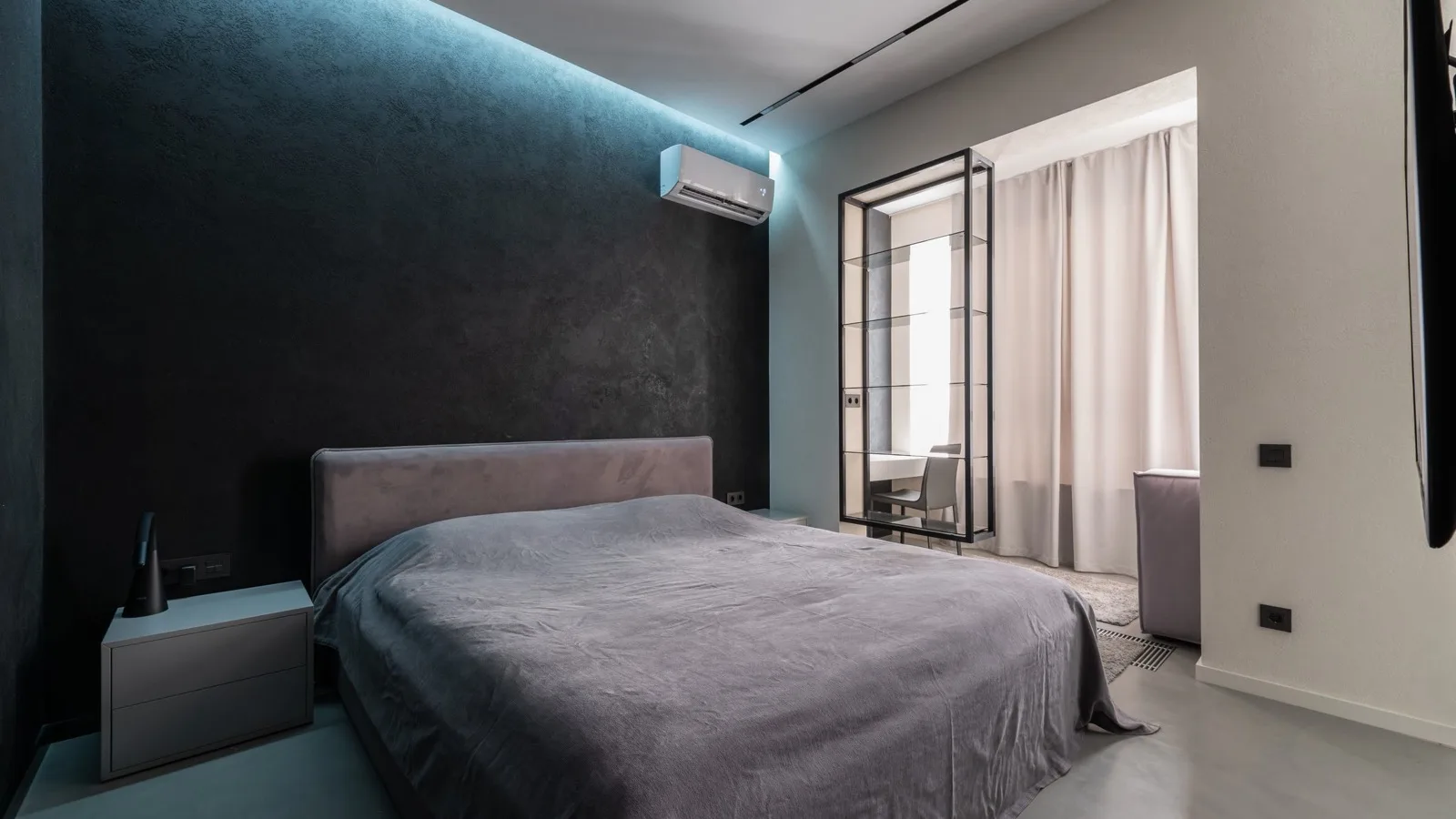
If you're shopping for the best 12000 BTU DIY mini split in 2026, there are so many models from brands like Pioneer, Senville and Cooper & Hunter that it can be hard to figure out which one to order. This guide looks at the top single zone options and breaks down which system might fit your project, your budget and your climate.
Quick Answer: Best 12000 BTU DIY Mini Split for Most Homeowners
Tackling a single zone install in bedrooms, garages, bonus rooms or home offices (about 350 to 600 square feet), most homeowners will find that Zone Air's 12,000 BTU wall mount is the top pick for 2026.
- Zone Air leads because it sends a pre charged quick-connect line set with the unit, needs no vacuum pump for installation, and carries a warranty that lets homeowner DIY install happen without voiding coverage.
- Pioneer, Senville and Cooper & Hunter can offer excellent conventional mini split models, with strong cold climate performance on their hyper heat lines, but they usually need a vacuum pump, manifold gauges and more advanced refrigerant work.
- You don't need a vacuum pump for pre charged systems like Zone Air, which can make it the simplest path for first time installers.
Below, we look at how the unit does in cold weather, Energy Star efficiency, how hard the DIY installation is, the price and the warranty across all four brands.
12,000 BTU DIY Mini Split Comparison at a Glance
Manufacturer-published figures for the 12K single zone models discussed above, as of October 2026.
| Model | Line set | SEER2 | HSPF2 | Heating floor | Warranty | Energy Star |
|---|---|---|---|---|---|---|
| Zone Air 12K wall (230V / 115V) | Pre-charged quick connect, no vacuum pump | 24 / 23 | 10.0 | −13°F | 5 yr parts, 7 yr compressor, DIY install allowed | Yes |
| MRCOOL DIY 5th Gen 12K (115V) | Pre-charged Quick Connect, no vacuum pump | 23.5 | 10.2 | −13°F (Hyper Heat 230V model −22°F) | 5 yr parts, 7 yr compressor, no registration | Yes |
| Pioneer Diamante Pro 12K (230V / 115V) | Flare, vacuum pump required | 20 | 9.5 | −4°F | Up to 5 yr registered, 1 yr unregistered | Not listed (12K) |
| Senville Aura SENA-12HF (230V) | Flare, vacuum pump required | 25.4 | 10.5 | −22°F | 10 yr compressor, 5 yr parts, pro install required | Yes, cold climate |
| Cooper & Hunter Sophia Hyper CH-HYP12SPH-230VO | Flare, vacuum pump required | 22.5 SEER (SEER2 not published) | Not published | −22°F | 7 yr compressor, 5 yr parts, licensed tech required | No |
How a 12,000 BTU DIY Mini Split Works and When It Makes Sense
A single zone 12,000 BTU mini split uses one outdoor unit with one indoor head to cool and heat an individual room. It can be the "sweet spot" size for most individual spaces. A 12,000 BTU ductless mini split covers about 350 to 600 square feet depending on how good the insulation is, how tall the ceilings are, and what climate zone you are in. A correctly sized system can be the most economical choice for controlling comfort in a specific area.
- True DIY mini split: The line set connections come pre charged or sealed so you can skip refrigerant handling completely. With pre charged connections for easy installation, Zone Air DIY has no refrigerant work, so no EPA Section 608 certification is needed for the install.
- Conventional DIY mini split: You mount the equipment and run the wiring, but you must use a vacuum pump, gauges and leak testing. Pioneer, Senville and Cooper & Hunter are all in this group.
Ductless mini splits are often designed to be easy to maintain and flexible to use. Standard ductless heat pump architecture lets you combine indoor heads in flexible ways, and you can choose from wall-mounted and ceiling cassette styles for the indoor handler.
Zoning benefits come from conditioning only the zones that people are actually in rather than the entire house, and that directly drops your operating costs.
How a 12K Mini Split Works
Picture a bonus room over a garage that is 450 sq ft. It is July, and the room has been baking all afternoon. A window unit will typically go after that room by turning its compressor on at full power, shutting off when the thermostat is satisfied, and doing it again ten minutes later. An inverter mini split can ramp up to pull the room down, then it can slow to a crawl and keep running near the setpoint. That tends to be quieter, it can hold the temperature more even, and the long low-speed runs keep the coil cold enough to keep pulling moisture out of the air, so the room does not end up cold and sticky. Noise is the other thing you notice. The indoor unit from Zone Air's 12K is rated 30 dB on its quietest setting and 46 dB on turbo. The compressor sits outside instead of in the window. There is airflow from 205 CFM on mute to 500 CFM on turbo.
Zone Air 12,000 BTU: Best True DIY Mini Split in 2026
If you want DIY installation with common household tools and no refrigerant handling, Zone Air is the clear choice, with the indoor unit, outdoor unit and line set shipping together for a simpler setup. Pre charged connections make installation simpler because there is no evacuation, so you can take on the entire project if you're comfortable with a drill and basic electrical work.
- DIY install process: Mount the indoor wall unit, drill the line set pass-through, mount the outdoor unit on a pad or bracket, connect the factory-sealed quick-connect fittings, run the drain line, pull communication wire and power on. Installation can usually be completed in one day.
- Line set: The unit comes with a 16 ft line set that is already pre charged. You can get longer lengths up to 75 ft at order time so you have more options for where to put the units.
- Efficiency: The 230V model has 24 SEER2 cooling and 10.0 HSPF2 heating with 12,600 BTU/h rated heating output. The 115V version hits 23 SEER2 and is close behind. Zone Air systems use the refrigerant R-454B, which has lower global warming potential. Both 12K models are Energy Star certified.
- Cold climate performance: Zone Air's 12K condenser is rated to −13°F, and with enhanced vapor injection technology it keeps about 85% of its capacity at 5°F. In moderate cold climate zones where winters stay above ~0°F, you have enough heat for primary or supplemental use. You should have backup heating for sustained temperatures below −13°F.
- Noise: Indoors in quiet mode, the sound is around 30 dB, which is about like a library on low fan speed.
- Warranty: Zone Air gives you a 5-year warranty on parts and a 7-year warranty on the compressor. DIY installation is allowed under the warranty terms, provided you follow the instructions and the electrical code. Manuals, wiring drawings and support materials are available for you.
- Wi-Fi control is supported so you can adjust the setpoint from your phone.
For comparison, MRCOOL's DIY 5th Gen also uses pre-charged Quick Connect line sets and R-454B refrigerant, and MRCOOL offers a 5-year parts and 7-year compressor warranty as well, with no registration needed. Energy Star certification applies to select MRCOOL models, including the DIY 5th Gen line. MRCOOL's optional Care Program ($14.99 a month) will send a replacement compressor if it fails while you stay in the program, and a full outdoor unit if the compressor fails within the first 7 years. MRCOOL's warranty excludes damage caused by unauthorized alteration, as most brands' warranties do. The standard DIY 5th Gen 12K operates down to −13°F, the same floor as Zone Air, and is sold in 115V only at 23.5 SEER2, so it edges Zone Air's 115V model (23 SEER2) and sits just under Zone Air's 230V model (24 SEER2). MRCOOL's DIY 5th Gen multi-zone condensers let you set up as many as six zones. For a single zone buyer, Zone Air matches MRCOOL on ease of install and warranty terms, and its standard 12K comes in both 230V and 115V.
Zone Air 12,000 BTU Specs for 230V and 115V
| Spec | 12K 230V | 12K 115V |
|---|---|---|
| Price (October 2026) | $2,049.99 | $1,999.99 |
| SEER2 / EER2 | 24 / 13.0 | 23 / 13.0 |
| HSPF2 (Region IV / V) | 10.0 / 8.6 | 10.0 / 8.6 |
| Rated heating output | 12,600 BTU/h | 12,400 BTU/h |
| Heating COP2 at 47°F / 5°F | 3.81 / 2.1 | 3.81 / 2.1 |
| Outdoor operating range | Heat to −13°F, cool to 131°F | Heat to −13°F, cool to 131°F |
| Breaker | 15A double-pole | 15A single-pole, dedicated |
| Recommended room size | 400–600 sq ft | 350–600 sq ft |
| Indoor sound (mute / turbo) | 30 / 46 dB(A) | 30 / 46 dB(A) |
| Outdoor sound | 52 dB(A) | 52 dB(A) |
| Indoor unit | 36-1/2 × 7-5/8 × 12 in, 23.1 lb | 36-1/2 × 7-5/8 × 12 in, 23.1 lb |
| Outdoor unit weight | 58.4 lb | 58.4 lb |
| Line set | 16 ft pre-charged included, 1/4 in liquid and 3/8 in gas | 16 ft pre-charged included, 1/4 in liquid and 3/8 in gas |
Both units have a cool mode, a heat mode, a dry mode and a fan mode. They also have Wi-Fi app control, washable filters, a self-clean cycle and auto-restart after a power cut. Zone Air has a one-page PDF for each unit on its spec sheet page.
115V or 230V for a 12K?
The 115V model runs on a dedicated 15A circuit. That circuit is 110–120V with a single-pole breaker. Power connects outdoors at the condenser. It's hardwired by default, and the optional cord kit lets it plug into a dedicated 15A GFCI outlet with a weather-tight in-use cover, where local code lets you. Never an extension cord. In a lot of garages, bedrooms and older houses, that means no 230V line and no panel upgrade.
The 230V model needs a double-pole breaker, heavier wire and usually an outdoor disconnect, which is a job for an electrician if you've never wired one. It has to meet the National Electrical Code and your local changes. You will get 24 SEER2 instead of 23 for it. For one room, the difference on the electric bill is small. The difference in electrical work can be a few hundred dollars, so price the circuit before you choose.
Pioneer Diamante 12,000 BTU: Best Value If You Can Do Flare and Vacuum Work
If you're a budget-conscious buyer who already owns HVAC tools, the Pioneer Diamante offers strong value for DIY installations. The current Diamante Pro 12,000 BTU is rated 20 SEER2 and 9.5 HSPF2 in both its 115V and 230V versions. It heats down to −4°F.
- DIY installation requirements: Conventional systems need pressure testing and evacuation. You'll need a vacuum pump, a micron gauge, a torque wrench for flare fittings, and possibly a nitrogen tank. If you don't evacuate properly, you risk moisture contamination and compressor damage.
- Pros: Competitive price, solid inverter-driven efficiency, broad model availability, strong YouTube and online troubleshooting community.
- Cons: Not a true "tool-free" DIY mini split. It can be more scary for first time installers. Many ductless brands tie warranty coverage to proper installation. Pioneer's warranty covers properly installed units and needs registration (its policy page says within a week of install) for the full 5 years of parts and compressor coverage, or 1 year if you don't register. Pioneer's own support center says homeowners can mount the units but only qualified installers should run the refrigerant lines and evacuate the system.
- Best fit: Moderate climate zones where you want strong quality hardware at a lower price and can handle conventional refrigerant work with confidence, or are willing to find a technician for the charge and vacuum steps only. Also consider EG4 mini splits, which are designed for solar and off-grid applications if that fits your project.
Senville Aura and Cooper & Hunter Sophia 12,000 BTU: Cold Climate Picks
These systems, the Senville Aura, Cooper & Hunter Sophia Hyper Heat, and their related 12k models, are the go-to models when you need reliable operation in extreme temperatures and that is a big advantage for you.
- Senville Aura: Senville Aura is best for cold-climate heating and is popular for cold-climate heating performance. The SENA-12HF Aura (Senville's Arctic Series, 230V) heats down to −22°F and is rated 25.4 SEER2 with 10.5 HSPF2, making it a hyper heat option. The budget LETO 12K (115V) runs 21.2 SEER2 with 8.7 HSPF2 but only heats down to 5°F. Installation uses standard flare connections that need a vacuum pump and leak testing, and Senville's warranty page says DIY installation voids coverage.
- Cooper & Hunter Hyper Heat: The Sophia Hyper Heat CH-HYP12SPH-230VO heats and cools down to −22°F. Cooper & Hunter's spec sheet lists it at 22.5 SEER and 13 EER (retailers quote about 22.4 SEER2), and no HSPF2 is published for it. This model is not on the Energy Star list. Cooper & Hunter's Energy Star cold-climate 12K is its HPR-series condenser. For comparison, MRCOOL's DIY 5th Gen Hyper Heat 12K, a 230V quick connect model, also operates down to −22°F, similar area to the Senville and Cooper & Hunter hyper heat models.
Both brands' hyper heat models go lower than Zone Air in extreme cold (−22°F vs −13°F floor), but neither offers true no-vacuum DIY installation, and both warranties call for a licensed HVAC professional on the refrigerant work.
Cold Climate Heating and Hyper Heat Models
Many buyers are going to want efficient heating from their mini split through winter, not just cooling in summer. Performance ratings for ductless systems include both cooling and heating efficiencies, so check both sides of the spec sheet.
- Climate zones 5–7 (design temps from 0°F to −20°F) demand units with proven low-ambient heating. You'll want to look for capacity at 5°F and 17°F (a sizing calculator helps you pick the BTU class first) in the manufacturer's product data.
- Hyper heat models use inverter compressors with enhanced vapor injection to keep high output at below-freezing temperatures. Senville Aura HF and Cooper & Hunter Sophia Hyper Heat are purpose-built for this.
- Zone Air's −13°F floor handles moderate cold climate zones well. In zones that regularly drop below 0°F, pair the unit with backup heat or step up to a dedicated cold climate model.
- Higher SEER ratings lead to lower seasonal utility bills and energy savings regardless of climate, so don't overlook cooling efficiency even if heating is your priority.
What "Easy DIY Installation" Really Means
"DIY installation" is marketed broadly, but the gap between quick-connect and conventional systems is significant in practice. Ductless mini-split installations save on labor costs due to simplified setups, but the level of simplification varies dramatically.
- With a drill, hole saw, level, wrenches and basic electrical tools, you can do Zone Air true DIY. You don't need a vacuum pump, refrigerant gauges or flaring. Safe electrical work and a dedicated circuit with proper disconnect are still needed. It's a good idea to hire an electrician for that portion if you're not confident.
- For conventional install (Pioneer, Senville, Cooper & Hunter), add a vacuum pump, manifold gauges, flare tool, torque wrench and possibly a nitrogen tank. Many handy users complete this successfully after watching a quality video workshop on YouTube, but mistakes can be costly.
Electrical work may require a permit and inspection depending on your jurisdiction. EPA rules on refrigerant handling apply when you open sealed systems. True DIY mini split designs from Zone Air avoid this entirely via factory-sealed quick connects.
12K Install Time, Steps and Sample Budget
Zone Air's FAQ says a first single-zone wall install takes two people most of a full day. That is about 6–9 hours plus any electrician work, and it goes faster the second time. The job in order:
- The indoor unit needs a solid wall with open space around it. The condenser needs a level pad or bracket so there is airflow on every side.
- Mount the indoor plate level, check for pipes and wires with a stud finder, and drill a roughly 3-inch hole through the outside wall, tilting slightly down toward the outside.
- Run the line set, drain hose and communication cable through the hole together, with easy curves.
- Set the condenser and connect the quick-connect fittings at both ends, tightening to the manual's torque with a backup wrench.
- Open the valves, soap-test every joint, then finish the electrical connection and seal the wall penetration.
- After that, you can power up and run every mode, and watch the drain for the first hour of cooling.
A sample budget for a 400 sq ft garage office with the 115V model: the system is $1,999.99, a pad, wall sleeve and sealant add about $100–$150, and an electrician adding a dedicated 15A circuit often runs $200–$600 depending on the distance from the panel. Call it about $2,300–$2,750 all in. Those add-on figures are estimates. You will want to get a local electrician's quote before you count on them. The 16 ft line set that comes in the box is enough for a lot of single-room installs. If yours is longer, Zone Air sells longer pre-charged sets up to 75 ft, each one a single continuous run, and as of October 2026 it's the only brand compared here that will cut the pre-charged set to any whole foot from 5 to 75.
SEER2, HSPF2, Energy Star and Operating Costs
Energy efficiency ratings do impact the operating costs over time for HVAC systems. Energy efficiency ratings usually use SEER2 as a measure of cooling efficiency, while HSPF2 measures heating efficiency. Enhanced energy efficiencies include SEER2 and HSPF2 compliance standards, and federal efficiency standards show up in SEER2 and HSPF2 ratings for HVAC systems.
- High-efficiency rating ranges can reach up to 25 SEER2 for certain models. The top 12K DIY units land around 23 to 24 SEER2, which is close to that ceiling. Zone Air's 24 SEER2 sits near the top of value-tier units.
- Only select 12k models from each brand carry Energy Star certification. Check your local utility's 2026 rebate list and cross-check model numbers before you buy, since many rebate programs only cover Energy Star or cold-climate certified units.
- At $0.15/kWh, a 24 SEER2 system draws about half the power of a 12 SEER2 unit under full load. Over a fixed cooling season, that gap translates to savings on your monthly bill.
Cost to Run a 12K Mini Split for 10 Years
A rough cooling-only comparison, using round numbers: 12,000 BTU of cooling for 8 hours a day, 150 days a year. That comes out to 1,200 hours and 14.4 million BTU a season. Divide by the efficiency rating to get watt-hours.
- An older window unit at about 12 SEER: about 1,200 kWh a year, about $190 at $0.16 per kWh.
- A 24 SEER2 mini split: about 600 kWh a year, about $95.
That's about $95 a year, or about $950 over ten years, from cooling alone. SEER and SEER2 aren't measured the same way and real runtime varies a lot, so treat it as a rough guess. Heating is where the bigger savings usually are: replacing a space heater or baseboard heat, which turns one unit of electricity into one unit of heat, with a heat pump running at a COP of 2 to nearly 4 can cut heating cost for that room by half or more. Utility rebates can help with the upfront cost. The federal 25C credit ended for equipment placed in service after December 31, 2025. Some state and utility programs need a contractor install, so check yours first.
12K Mini Split vs Other AC Types
- Window AC: it's cheap and quick, but loud, less efficient, cooling-only on most models and it takes the window.
- Portable AC: usually the least efficient of the lot, takes floor space and still needs a hose out a window.
- Central air: the right tool for a whole house with good ductwork, but too much for one room the ducts don't reach, and leaky ducts waste part of what you pay for.
- Ductless 12K: heats and cools, runs quietly, conditions only the room you're in, and with a pre-charged line set you can put it in yourself.
If one room might become two or three, look at a multi zone condenser instead. As of October 2026, Zone Air is the only DIY mini split that lets you mix wall-mount, ceiling cassette and concealed ducted units on one outdoor unit, and a single-zone condenser can't be converted later.
Buying terms matter on a box this size too. Zone Air sends free to the lower 48 (shipping policy), takes back units that have not been installed within 30 days, and does final assembly, testing and inspection in the USA.
12,000 BTU DIY Mini Split Pros and Cons
Pros:
- There's no labor bill for the HVAC side of the job
- There is 23–24 SEER2 on the best pre-charged units
- Far quieter than a window or portable unit
- It heats and cools one room without touching the rest of the house
- No duct losses
Cons:
- Drilling, mounting, sealing and wiring are all up to you
- A wall unit is visible, which you might not want in a living room
- Electrical work may need a permit and a licensed electrician
- It may not be the right fit for very long runs, tricky roof or high-wall condenser spots, or if you're not steady on a ladder
Which 12,000 BTU DIY Mini Split to Buy: Recommendations by Use Case
Depending on your climate, budget and comfort level with technical installation steps, the "best" system will vary. Here's how you can find the right fit:
- Simple true DIY, moderate climate: Zone Air 12,000 BTU is the first choice. Pre charged line sets, a warranty that works with DIY, strong efficiency and stock that is available make ordering simple.
- Cold climate, maximum winter heating: Look at the Senville Aura 12K (Energy Star cold-climate listed) or the Cooper & Hunter Sophia Hyper Heat 12K. Be prepared for conventional refrigerant work or budget for hiring a technician for that portion.
- Budget-focused, tool-ready owner: Pioneer Diamante 12,000 BTU offers reliability and good efficiency at a lower price point, provided you can handle the vacuum pump and flare work.
- When to call a professional: Multi zone setups, limited electrical experience, strict local code enforcement or very cold climate situations where the mini split will be the sole heat source.
For most 2026 single zone 12,000 BTU DIY mini split projects, Zone Air stays the most balanced choice between ease of install, performance, warranty and long-term value. You can check current pricing and availability at zone-air.com before you start your project.
FAQ: 12,000 BTU DIY Mini Splits
What is the best 12,000 BTU DIY mini split?
For most single rooms, Zone Air's 12,000 BTU wall mount. It comes with a pre-charged quick connect line set, needs no vacuum pump, is rated 24 SEER2 on 230V (23 on 115V), heats to −13°F and the 5-year parts / 7-year compressor warranty allows homeowner install. MRCOOL's DIY 5th Gen 12K is the closest alternative, but its standard 12K only comes in 115V (the 230V 12K is the Hyper Heat model).
Do I need a vacuum pump to install a 12,000 BTU mini split?
Not with a pre-charged system like Zone Air or MRCOOL DIY. The line set ships sealed and charged, so you torque the couplings and open the valves. Pioneer, Senville and Cooper & Hunter use flare fittings, so those systems need a vacuum pump, gauges and a leak test before the refrigerant is released.
How many square feet does a 12,000 BTU mini split cover?
Roughly 350 to 600 square feet. Good insulation, 8 ft ceilings and little west-facing glass put you at the top of that range. A sunny bonus room or a garage with no insulation needs the lower number, or a bigger unit.
Is a 12,000 BTU mini split 115V or 230V?
Depends on the brand. Zone Air sells its 12K in both. MRCOOL's standard DIY 12K is 115V only (its Hyper Heat 12K is 230V). Pioneer's Diamante Pro 12K comes in both. Senville's Aura 12K is 230V and its LETO 12K is 115V. The Cooper & Hunter Sophia Hyper is 230V. A 115V unit saves running a new 230V circuit, but either way it needs its own dedicated breaker.
Which 12,000 BTU DIY mini split works in a cold climate?
Zone Air and the standard MRCOOL DIY 5th Gen both heat down to −13°F, which covers most of the lower 48. For design temperatures below zero, the −22°F models are the Senville Aura, Cooper & Hunter Sophia Hyper Heat and MRCOOL's DIY Hyper Heat, and only the MRCOOL one is pre-charged. Pioneer's current Diamante Pro stops at −4°F.
How Long to Install a 12,000 BTU DIY Mini Split?
Plan on most of a day for a first install with two people, about 6–9 hours per Zone Air's own guide, plus the electrician if you're adding a circuit. Brick walls, an awkward route or a second-story condenser will add time.
Do You Need a Permit for a 12K Mini Split?
It depends on where you live. Many cities want an electrical permit for a new circuit. Some want a mechanical permit for HVAC equipment even when you do the work. You should call your building department before you start.
How Long Does a 12K Mini Split Last?
Zone Air's FAQ puts the expected life at 15–20 years with basic care (an expectation, not a warranty term). Rinse the filters every 2–4 weeks in heavy-use months, clean the indoor coil once a year, keep the outdoor coil clear, and check the condensate drain each season.
Can a 12K Mini Split Run as Just AC?
Yes. You can use cool or dry mode and leave heat off. Dry mode is handy in humid places because it pulls moisture without cooling the room much.
How Long Can a 12,000 BTU Line Set Be?
On Zone Air's 12K, up to 75 ft as one pre-charged run, with up to 33 ft of vertical lift between the indoor and outdoor units. For many single-room jobs, the 16 ft set in the box is enough.
Specifications, efficiency ratings and warranty terms above are manufacturer-published as of October 2026 and are subject to change; verify the current terms for the exact model before you buy. Your unit's installation manual and local code take precedence over this guide. MRCOOL, Pioneer, Senville and Cooper & Hunter are trademarks of their respective owners. DIY HVAC Tools is owned and operated by Zone Air and is not affiliated with or endorsed by MRCOOL, Pioneer, Senville or Cooper & Hunter.