Best Pre-Charged Multi Zone Mini Split Systems 2026: Specs, Sizing & Cold-Climate Performance
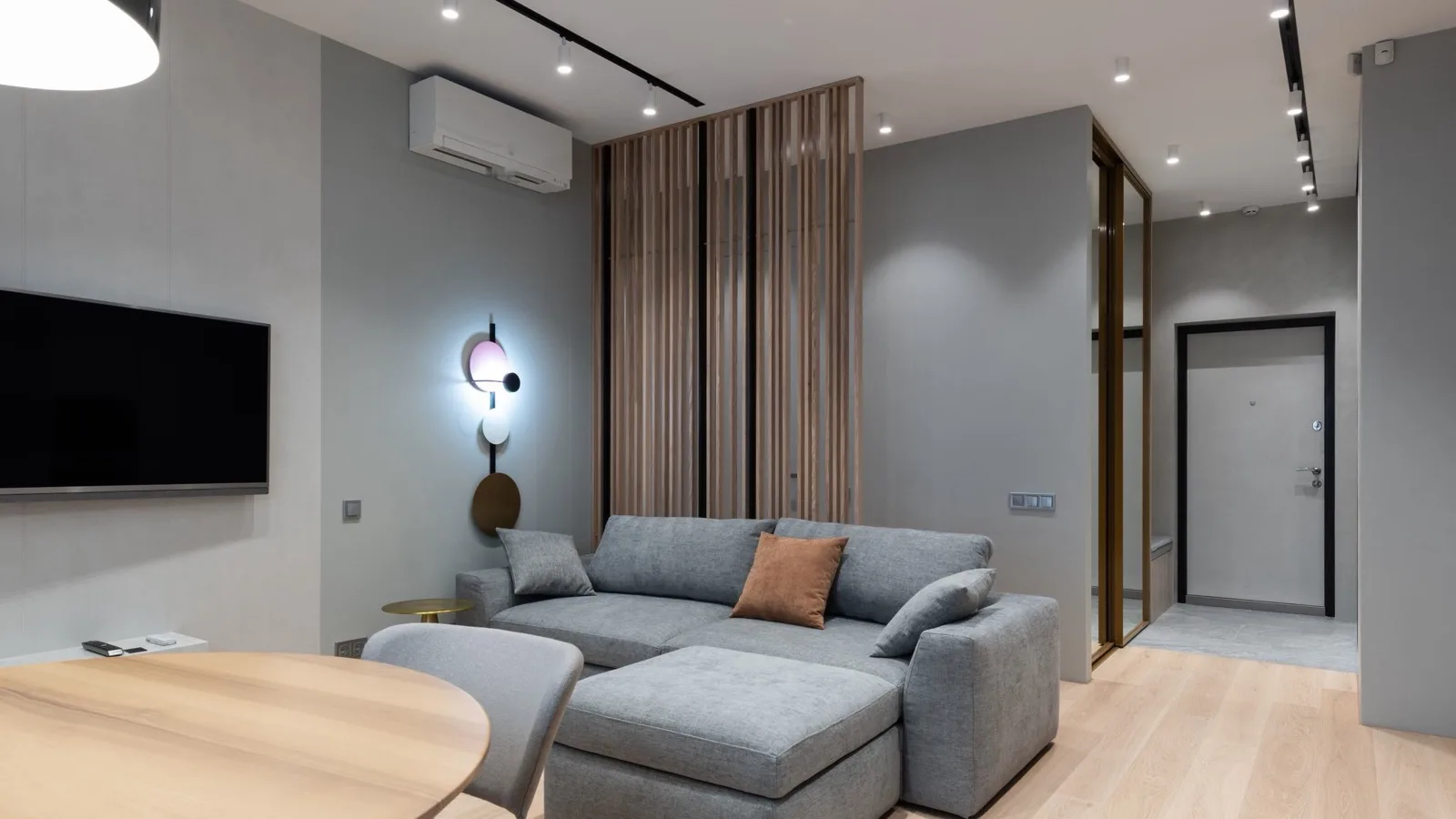
Choosing the best pre-charged multi zone mini split systems 2026 means you have to weigh efficiency ratings, how the unit does in cold weather, the kinds of indoor units you can use, and what it really costs to put it in. This guide shows you the official specs you need to compare before you buy, with a focus on Zone Air's multi-zone systems as the top pick for homeowners tackling DIY or contractor-assisted projects.
Quick Answer: Best Pre-Charged Multi Zone Mini Split Systems
Pre-charged multi zone mini split systems have changed what it looks like for a homeowner to put one in during 2026. With factory-sealed line sets that have quick-connect fittings, you don't need a vacuum pump or refrigerant handling, and that can cut both the cost of labor and the complexity of the job. You can get a clear picture of the project scope because the equipment pricing is transparent.
Here are the top pre-charged multi zone systems you can get in 2026, listed by published specifications:
- Zone Air Multi-Zone (Top Pick): One outdoor condenser with 27,000 BTU runs 2 or 3 indoor heads, with up to 36,000 BTU of connected indoor capacity. SEER2 goes up to 24, and HSPF2 is 10.5 (Region IV). Heating works down to −13°F. 208–230V. The line sets come from the factory with R-454B already charged inside. Zone Air's pre-charged systems start at $1,899.99 for a single-zone 9K, and dual zone systems start at $3,039.99.
- On the Zone Air 36,000 BTU Dual-Zone Wall Mount, two 18K indoor heads are connected to the 27K outdoor unit. SEER2 is 24, HSPF2 is 10.5. There is a 30A/230V dedicated circuit. The sound level indoors is as low as 30 dB(A).
- With three 9K wall mounted heads, the Zone Air 27,000 BTU 3-Zone gives you three zones of comfort. SEER2 is 24. For cold climate performance, the floor is the same at −13°F. Each zone has pre-charged quick-connect line sets.
- The Zone Air Concealed Duct Dual-Zone 20,500 BTU comes with two slim-duct indoor units (11K + 9.5K), and it works well for hidden installs. SEER2 is 19.
Multi-zone systems usually support two to three zones with options you can customize, and some brands' larger condensers can extend that to four or five. Efficiency ratings for mini split systems can go above 24 SEER2, and Zone Air hits 24 on its wall-mount kits. The standard for mini split systems in 2026 is higher efficiency ratings and lower-GWP refrigerants like R-454B.
For cold climate performance, flexible indoor unit options and DIY installation with factory pre-charged line sets, Zone Air is the best overall balance. Based on published 2026 manufacturer specifications, not lab testing by the writer, the lists here give you a starting point.
How a Pre-Charged Multi Zone Mini Split Works
A mini split can be a heat pump system with an outdoor unit (compressor/condenser) connected to one or more indoor air handlers by refrigerant lines. "Pre-charged" means the refrigerant is already sealed inside the line set at the factory. "Multi zone" means one outdoor unit serves multiple indoor units that are in different rooms.
Pre-charged line sets and quick-connect fittings get rid of the need for vacuum pumps, brazing and direct refrigerant handling. Pre-charged systems can be installed without refrigerant handling. That is the core appeal for DIY mini splits. In contrast, conventional flare-based mini split installs need evacuating the line set with a vacuum pump, pressure testing with nitrogen and sometimes adding refrigerant, a project that demands EPA Section 608 certification and specialized gauges.
Single-zone systems are for one indoor unit only. Multi-zone systems share one outdoor unit for multiple indoor units. The outdoor unit is changing capacity based on demand from each zone. Each indoor head is running between 30 and 100% of its rated capacity depending on what its room needs.
Even with simpler refrigerant work, pre-charged systems still need safe electrical work, proper line routing, wall penetrations and planning for condensate drainage.
Zone Air Pre-Charged Multi Zone Mini Split Specs
Zone Air is the best pre-charged multi zone mini split in 2026 for remodeling projects, additions and whole-home comfort upgrades. Every system uses pre-charged quick-connect line sets with R-454B refrigerant, sold separately per zone in the length you need.
All Zone Air 2-zone and 3-zone systems use the same 27,000 BTU outdoor condenser, rated 27,000 BTU/h cooling and 28,000 BTU/h heating. The BTU number in each kit's name is the total of the indoor heads, so a "36,000 BTU" dual zone is two 18K heads on that 27K condenser.
| Zone Air system (on the 27K condenser) | Indoor heads | SEER2 | Price (line sets extra) |
|---|---|---|---|
| Dual zone wall mount | 9K+9K, 12K+9K, 12K+12K | 24 | $3,039.99 |
| Dual zone wall mount | 18K+9K, 18K+12K | 24 | $3,539.99 |
| Dual zone wall mount | 18K+18K | 24 | $4,039.99 |
| 3-zone wall mount | 9K+9K+9K up to 12K+12K+12K | 24 | $3,509.99 |
| 3-zone wall mount | 9K+9K+18K | 24 | $4,009.99 |
| Dual zone ceiling cassette | 9.5K/12K mixes | 21 | $4,039.99 |
| 3-zone ceiling cassette | 9.5K/12K mixes | 21 | $4,909.99 |
| Dual zone concealed duct | 9.5K/11K mixes | 19 | $4,039.99 |
| 3-zone concealed duct | 9.5K/11K mixes | 22 | $4,809.99 |
Zone Air list prices as of October 2026. All use the same 27,000 BTU / 28,000 BTU heating condenser, 208–230V on a 30A double-pole breaker, and heat down to −13°F.
Efficiency and performance:
- SEER2 is 19 to 24 depending on the style of the indoor unit. Wall-mount kits reach 24 SEER2, ceiling cassette kits reach 21, and concealed duct configurations sit around 19.
- HSPF2 is 10.5 (Region IV) and 8.8 (Region V) on the wall-mount multi-zone kits.
- EER2 is 12.0 on the wall-mount multi-zone kits.
- With a 23 SEER2 rating and a cost of $1,999.99, the Zone Air single-zone 12,000 BTU 115V model is worth a look.
- Refrigerant: R-454B (low global warming potential).
Cold climate heating: heating operation goes down to −13°F, and it holds about 85% of rated heating capacity at 5°F, with a COP of about 2.1 at 5°F on the 12K single-zone units. Cooling works down to 5°F outdoors. That puts Zone Air ahead of brands whose current models only heat to 5°F or −4°F.
Sound levels: the 27K outdoor condenser is rated at 62 dB(A). Indoor heads run as low as 30 dB(A) at low fan speed, which is quiet enough for most bedrooms.
According to the Multi-Zone Addendum, total connected indoor capacity can go up to 133% of the outdoor unit's rated capacity. That is the 36,000 BTU ceiling on the 27K condenser. Because rooms rarely peak at the same time, the outdoor unit is rarely seeing more than about 75% of the combined indoor rating. For high-demand or very cold applications, the addendum is saying to cut that loading by up to 20%.
Indoor Unit Options: Wall, Ceiling Cassette and Concealed Duct
A major strength of Zone Air's multi-zone line is the variety of indoor units you can choose from. Unlike some mini split brands that lock you into wall mounted heads only, Zone Air lets you mix indoor unit styles on the same condenser.
- Wall mounted heads (9K, 12K, 18K): this is the most common option. They can be compact, easy to install and ideal for bedrooms and living rooms.
- Airframe ceiling cassettes (9.5K, 12K): four-way airflow for large open rooms and kitchens.
- Thin-Air concealed duct units (9.5K, 11K): slim duct units that are hidden above ceilings or in soffits for a clean look.
Zone rules are published in the Multi-Zone Manual Addendum: only approved indoor units, the combinations of capacity that are allowed, and the 133% connection limit. Zone Air is selling 2-zone and 3-zone combinations on the 27K condenser, any style in any mix, as long as the heads add up to 36,000 BTU or less.
Pre-Charged Line Set Lengths, Prices and Connections
A line set is the pair of insulated copper tubes that carry refrigerant between the outdoor condenser and each indoor unit. In a pre-charged system, these ship factory-sealed with R-454B inside, so no field charging is needed.
Pre-charged line sets from Zone Air come in 16, 25, 33, 50 and 75 ft per zone, plus custom cut lengths from 5 to 75 ft for an extra $100. Prices run from $229.99 for a 16 ft set up to $1,038.99 for a 75 ft set on an 18K head.
Quick-connect fittings at both the condenser and indoor unit ends need proper torque with a wrench that is calibrated to avoid leaks. The simplicity of installation reduces the need for specialized vacuum and gauge equipment in DIY systems, but careful torquing and leak-checking stay essential.
Keep each run as short and direct as you can, protect the line set with line hide covers or insulation, and pitch the condensate drain line so water runs downhill and clears the indoor unit.
Multi Zone Mini Split Cold Climate Performance
For many buyers in 2026, cold climate heating performance can matter more than peak cooling SEER2. A mini split that cools efficiently but loses half its heating output at 10°F is a poor investment in a northern climate zone.
For cold climate ratings, Zone Air is showing:
- Lowest rated heating temperature: −13°F.
- Capacity retention: about 85% of rated heating output at 5°F.
- COP at 5°F is about 2.1 on the 12K models.
- HSPF2 (Region IV): 10.5 for wall-mount multi-zone kits.
These numbers place Zone Air above budget models that stop heating at 5°F or −4°F. Diversity lets one outdoor unit handle peak loads across several zones, but only if the system is sized to actual heat loss at your design temperature.
You should size multi zone mini split systems to meet the home's calculated heat loss at design temperature, not just rough square footage. A room's square footage alone doesn't account for insulation levels, window count or air leakage.
In very cold climate regions where temperatures regularly dip below −13°F, backup heat such as electric baseboards or an existing furnace may still be recommended for extreme cold periods.
DIY Multi Zone Mini Split Install vs. Hiring a Contractor
Pre-charged DIY mini split systems are designed for DIY installation, but they don't eliminate every challenge. The refrigerant side is handled by the pre-charged line set. Everything else, mounting, routing, electrical and drainage, still needs planning and physical work.
What you can handle:
- Mounting indoor units on wall brackets
- Routing pre-charged line sets through wall penetrations in a wood-frame wall
- Installing line hide covers and condensate drain lines
- Running the communication cable between units
What often needs professionals:
- Electrical work for a new 230V dedicated circuit
- Core drilling through masonry walls
- Troubleshooting control faults
- Difficult condensate drainage routing in finished spaces can be a challenge.
Zone Air's warranty says DIY installation does not void coverage, and a licensed HVAC contractor is not needed to keep it. Careful attention to every connection still matters. Budget for tools like a torque wrench, hole saw, level and cable fish tape.
Professional labor for a multi-zone install can run into the thousands of dollars per zone, so doing it yourself can save a lot across a multi-zone project. On the other hand, many conventional brands need professional installation to keep their warranty, and a local contractor can provide better local support.
Even if you plan a full DIY installation, it's a good idea to get at least one written quote from a local HVAC contractor for comparison. It sets your expectations and gives you a backup plan.
Multi Zone Mini Split Electrical Requirements
Even with pre-charged line sets, electrical work remains the most safety-critical part of a DIY mini split installation. Getting this wrong can damage the unit or create a fire risk.
Zone Air's 27K multi-zone condenser runs on 208–230V and needs a 30A double-pole breaker on a dedicated circuit, with a disconnect near the outdoor unit as local code requires. The indoor heads are powered and controlled from the outdoor unit.
Some smaller single zone mini split systems run on 115V circuits, but most multi zone outdoor units require 230V service. If your electrical panel is full or undersized, a panel upgrade may be needed before installation, so budget accordingly.
The high-voltage connection from breaker to outdoor disconnect to condenser should follow the NEC and local code, use correctly sized copper conductors, and include proper grounding. Electrical permits may be required by your jurisdiction. A licensed electrician for the final hookup is strongly recommended even for a homeowner installing the rest of the system.
How to Size a Multi Zone Mini Split
Correct sizing of each indoor head and the overall outdoor condenser is critical to comfort, dehumidification and efficiency. An oversized system short-cycles, removes less moisture and wastes energy despite impressive specs on paper.
A Manual J style room-by-room load calculation (or our mini split sizing calculator for a first pass) accounts for insulation, window area, which way the room faces, and air leakage, factors that a room's square footage alone can't capture. This matters especially in cold climate regions where heating output drives sizing.
Example layout on the 27K condenser, 3 zones:
- Bedroom 1: 9K wall-mount head
- Bedroom 2: 9K wall-mount head
- Living area: 18K wall-mount head
That is 36,000 BTU of heads on a 27,000 BTU condenser, the 133% maximum. It works because the three rooms rarely peak together. In a cold climate where heating drives the design, the addendum's advice to cut loading by up to 20% points to something like 9K + 9K + 12K instead.
Line set lengths and routing limits can influence where you place the indoor unit. Runs should be kept as short and direct as practical. Before buying, confirm in writing that the exact model numbers, total indoor BTU and line set lengths match your floor plan and loads.
Controls and Smart Features
Temperature control across zones is where multi zone systems shine over window units or portable ACs.
Zone Air multi-zone systems include a handheld remote for each head with an IFEEL sensor that reads the temperature at the remote, a 24-hour timer, multiple fan speeds and auto-restart after power loss. Wi-Fi app control lets you adjust each zone from your phone. Per-room setpoints let each indoor head serve its space independently, keeping bedrooms cool at night while the living room stays warmer.
Sleep mode changes the setpoint overnight for quieter bedrooms. The display can be switched off so the LEDs don't light up the room.
Multi Zone Mini Split Warranty: DIY Install Allowed
Warranty terms for pre-charged multi zone systems vary a lot by brand and installation method. Zone Air's warranty is simple:
- 5 years parts coverage
- 7 years compressor coverage
- 30-day returns on uninstalled systems
This applies whether you or an HVAC contractor did the install. Zone Air's warranty page says DIY installation does not void coverage.
To protect your coverage, keep proof of purchase and follow the published specs for line set lengths, indoor unit combinations and electrical work. The Multi-Zone Addendum says the outdoor unit must only be used with designated Zone Air indoor units approved for the product line.
Many other mini split brands tie their warranties to installation by a licensed HVAC contractor. In this regard, Zone Air's approach is more DIY-friendly. Download and save the installation manual, the Multi-Zone Addendum and the spec sheets for each model before starting work.
Pre-Charged vs. Flare-Connect Multi Zone Mini Splits
Pre-charged multi zone systems sit between simple single zone mini split DIY kits and fully custom contractor-installed systems. They're the practical middle ground for most residential projects.
Advantages of pre-charged systems:
- No field refrigerant charging or vacuum pump needed
- Clear installation scope with steps that are written down
- Fewer specialized tools needed
Trade-offs:
- Fewer high-capacity options than contractor multi-zone or VRF systems. Zone Air tops out at 3 zones per condenser
- Stricter line set length and connection rules are in place
- Sometimes higher equipment cost per BTU than budget flare-connect brands (Pioneer's Diamante Pro 12K is rated 20 SEER2 and costs far less, but needs a vacuum pump)
For most homes without existing ductwork, a pre-charged multi zone mini split is more economical than installing a new central duct system. Compared with separate single zone systems in each room, a multi-zone system saves money by sharing one outdoor unit instead of buying several condensers.
Multi Zone Mini Split Cost and 2026 Incentives
Mini split costs can vary widely depending on the installation scope, zone count and whether you hire an HVAC contractor or go DIY. Here's how the equipment numbers are comparing in 2026.
| System | Equipment price | Install type |
|---|---|---|
| Zone Air dual zone 18K+18K wall mount | $4,039.99 + line sets | Pre-charged, DIY allowed |
| Zone Air dual zone 12K+12K wall mount | $3,039.99 + line sets | Pre-charged, DIY allowed |
| Zone Air 12K single zone (115V) | $1,999.99, 16 ft line set included | Pre-charged, DIY allowed |
| Pioneer Diamante Pro 12K single zone (230V) | $898 sale | Flare, vacuum pump required |
| Senville LETO 12K single zone (115V) | $799.99 | Flare, pro install required for warranty |
Prices checked on each manufacturer's site in October 2026. The Pioneer and Senville rows are single zone systems shown for price-per-BTU context, not multi-zone equivalents.
Fujitsu and Mitsubishi are at the premium end of contractor-installed brands. Among DIY brands, Zone Air's higher efficiency and pre-charged convenience can make the premium worth it for many buyers.
Contractor quotes for a full 3-zone installed system usually run well above the equipment price, since labor, electrical work and materials are added per zone.
Higher SEER2 means lower cooling bills. Moving from a 17 SEER2 system to a 24 SEER2 system is cutting cooling electricity by about 30% for the same cooling load, which adds up over a 15-year ownership period.
After December 31, 2025, the federal Section 25C Energy Efficient Home Improvement Credit has ended. In 2026, incentives are coming from state, utility and local programs instead. Many need specific SEER2/HSPF2 thresholds, AHRI-matched documentation and proof that equipment was properly installed. Check Zone Air's published ratings against your program's thresholds before you buy.
Compare financing offers in writing, including APR, term and total cost of repayment, before you commit. Don't subtract hoped-for incentives from quotes until they're verified and approved.
Step-by-Step: Choosing Your Multi Zone System
Rather than going after a single "best mini split" label, invest the time in careful planning that matches your home's actual needs to published specs.
- Run a Manual J calculation or hire a contractor to do one for you. Don't guess based on square footage alone.
- Decide your zone count. Identify which rooms need independent temperature control and which can share a zone.
- Sketch indoor and outdoor unit locations. Account for line routing, wall penetrations, masonry walls and condensate drainage.
- Verify your electrical panel capacity. Determine whether you need electrical upgrades or a panel upgrade before the mini split project.
- Choose your indoor heads by room, and keep the total within the 27K condenser's 36,000 BTU limit.
- Confirm line set lengths. Measure actual routing distances, not straight-line and order accordingly.
- Print the product specs and AHRI data before ordering. Verify low temperature capacity at your design temperature.
- It's a good idea to get at least one consultation with a local HVAC contractor to sanity-check your design, even if you plan a full DIY installation.
- Confirm the total cost, including equipment, line sets, mounting materials, line hide covers, electrical work and any contractor fees, in writing before you commit.
As 2026 moves forward, updated efficiency standards and refrigerant regulations will bring new pre-charged multi zone options to market. Always verify the latest specifications before you buy. The best system is the one that's correctly sized, properly installed and backed by specs you've checked yourself.
FAQ: Pre-Charged Multi Zone Mini Splits
What is the best pre-charged multi zone mini split?
For a DIY install, Zone Air's multi-zone line: one 27,000 BTU condenser runs 2 or 3 indoor heads (wall, ceiling cassette or concealed duct, mixed as you like) on pre-charged quick-connect line sets. Wall-mount bundles are 24 SEER2 and 10.5 HSPF2, heat to −13°F, and the warranty allows homeowner installation.
Do pre-charged multi zone mini splits need a vacuum pump?
No. The line sets ship sealed with R-454B already inside, so you torque the quick-connect fittings, leak-check and open the valves. Flare-connect systems are the ones that need a vacuum pump, gauges and usually an EPA 608 certified tech.
How many zones can a Zone Air multi zone system run?
Two or three. Every Zone Air multi-zone bundle uses the same 27K condenser, and the heads can add up to 36,000 BTU of connected capacity (133% of the condenser rating) because rooms rarely call for full output at the same time.
Can I mix wall mount, ceiling cassette and concealed duct heads?
Yes. Zone Air lets you put any mix of wall mount (9K, 12K, 18K), ceiling cassette (9.5K, 12K) and concealed duct (9.5K, 11K) heads on one condenser, as long as you stay within three heads and 36,000 BTU total.
Does DIY installation void the warranty on a multi zone mini split?
Not with Zone Air. Its 5-year parts and 7-year compressor warranty states that DIY installation does not void coverage and a licensed contractor is not required. Many flare-connect brands, including Senville and Cooper & Hunter, require a licensed HVAC professional for warranty coverage.
Specifications, prices and warranty terms above are manufacturer-published as of October 2026 and are subject to change; verify the current terms for the exact model before you buy. Your unit's installation manual, the Multi-Zone Addendum and local code take precedence over this guide. Pioneer, Senville, Cooper & Hunter, Fujitsu and Mitsubishi are trademarks of their respective owners. DIY HVAC Tools is owned and operated by Zone Air and is not affiliated with or endorsed by those brands.