The Best DIY Mini Split for Heating in 2026
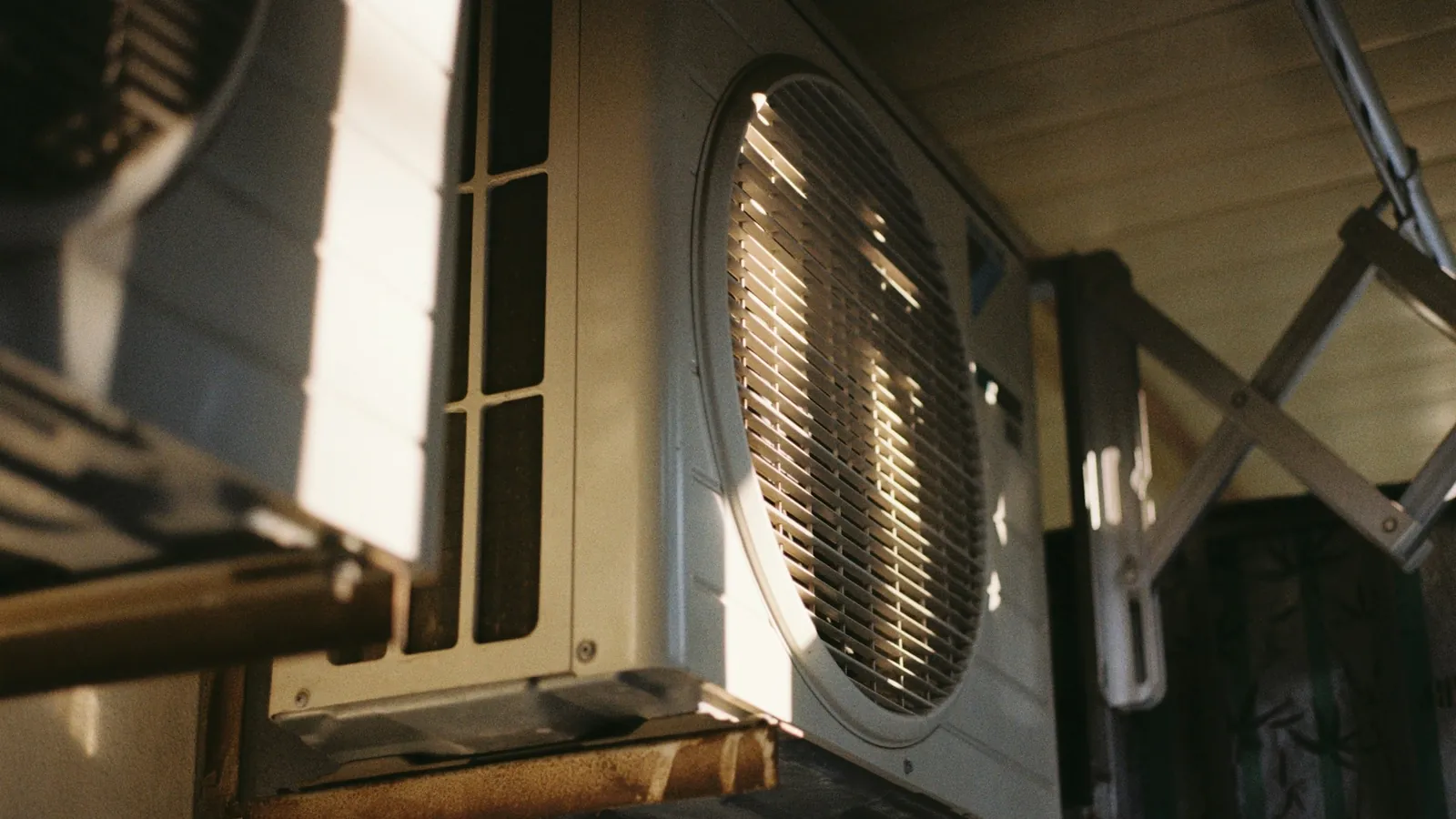
The best diy mini split for heating a single room or a few rooms in 2026 is Zone Air's DIY heat pump line. It's a true DIY, pre-charged system and the top overall pick for most U.S. DIY homeowners. Zone Air's factory pre-charged line sets and quick connect fittings keep you out of the refrigerant circuit entirely-no vacuum pump, no EPA-608 certification, no gauges.
Zone Air is often 15–30% less than comparable MRCOOL systems while delivering up to 24 SEER2 efficiency on 230V models and reliable heating down to about −13°F (zone-air.com). That combination of price, efficiency and cold weather performance makes it the strongest overall pick for heating-focused installs right now.
This guide focuses on wall-mounted ductless mini split systems that homeowners can install themselves (or with an electrician for the circuit). Contractor-only brands like Mitsubishi, Daikin and Fujitsu often outperform in raw specs-Mitsubishi Hyper Heat units achieve a 26 SEER rating, for example-but their install path requires licensed techs, triple evacuation procedures and specialized HVAC tools. That's a different project entirely.
All the picks below both heat and cool effectively year-round. DIY mini splits can handle summer cooling and winter heating from one unit. But the rankings here prioritize heating performance in real weather, DIY friendliness and long-term cost in cold climate conditions over cooling capacity or mild-weather metrics. A good DIY mini split can reduce reliance on electric resistance heating and cut your power bills significantly.
How We Chose the Best DIY Mini Split for Heating
The list below was built from real DIY candidate systems available in late 2026, not spec sheet hype. Every system had to be a heat pump (not "cool only"), and cold climate performance, ease of install, and support weighed more than brand recognition.
Installation kits typically include indoor and outdoor units with refrigerant lines, so the base comparison is apples-to-apples. Common mini split capacities include 9,000 to 48,000 BTU, but most DIY mini splits range from 9,000 to 24,000 BTU since those cover the rooms and spaces homeowners typically tackle themselves. Only systems where homeowner installation doesn't void the warranty made the final cut.
Key Evaluation Factors
Here's what mattered most in the ranking, and what you should check before buying any mini split system.
-
Heating performance in real weather – A "heats to −13°F" rating doesn't mean full capacity at −13°F. Mini split systems can heat reliably down to −13°F, but output drops as outdoor temperatures fall. Mini-splits lose heating capacity as outdoor temperatures fall below 35°F to 40°F, so you need to know what a unit actually delivers at your area's design temperature, not just the minimum operating floor. Hyper-Heat or Arctic-rated models maintain heating capacity efficiently in very low temperatures. Hisense's North America SEER 16 inverter models, for reference, are rated for heating down to −10°C (14°F)-decent but not exceptional.
-
DIY installation path - The defining feature: pre-charged, quick connect line sets that avoid vacuum pumps and EPA-608 certification. Installation requires basic skills in electrical wiring and construction, but the refrigerant circuit stays sealed. Electrical circuits may still need a licensed electrician. Smart controls allow remote operation via apps or voice control on most units.
-
Energy efficiency and operating cost – Modern mini splits achieve high SEER2 ratings for efficiency. A SEER2 rating of 18 or higher is considered efficient; the best DIY systems now hit 23–24 SEER2. Zone Air offers a 24 SEER2 rating for efficiency on 230V models versus MRCOOL's \~23.6 SEER2 on its flagship. Over 10 years of heating-heavy use, that gap adds up. Innovair mini splits have SEER ratings between 19 and 23, landing them in the middle tier.
-
Cold-climate reliability – Defrost behavior, crankcase heater presence, and whether the brand clearly rates their units for sub-freezing operation. If the spec sheet doesn't mention performance below 30°F, that's a red flag for anyone north of the Carolinas.
-
Electrical requirements - A dedicated electrical line is necessary for mini split installation. Most DIY mini-splits require a dedicated 230V circuit for larger models. Zone Air's 115V 9K and 12K run on a dedicated 15A circuit and can plug into a dedicated outlet with the optional plug-in kit where local electrical code allows (never an extension cord). MRCOOL DIY 5th Gen 9K and 12K units are 115V but hardwired, and its 18K, 24K and 36K are 208/230V. Those requirements matter a lot if you're wiring a garage or bonus room with limited panel space.
-
Support, warranty, and return path – Warranty terms vary by brand; check if homeowner installation voids the warranty before you buy. Zone Air sells direct: warranty claims, returns, and exchanges go straight to Zone Air, with 30-day returns on uninstalled units and a 5-year parts / 7-year compressor warranty that allows DIY installation. MRCOOL doesn't sell direct to consumers; it sells through authorized dealers and retailers, so returns and exchanges depend on the seller.
-
Value for money – The ranking weighs total cost (equipment, electrician, any tools) against usable heat output and expected lifespan, not just the sticker price.
The 5 Best DIY Mini Splits for Heating in 2026
After filtering out pro-only and weak DIY options, the systems below stand out for heating garages, additions, basements, and small homes. Each entry notes who it's best for so you can quickly match your project.
1. Zone Air DIY Single-Zone Heat Pump - Best Overall DIY Mini Split for Heating
Zone Air systems undergo final assembly, testing, and inspection in the USA before shipping. Each system uses one pre-charged quick connect line set per zone, cut to the length each room needs (5–75 ft), with efficiency up to 24 SEER2 on 230V models and a clear focus on heating performance.
Why It Stands Out
For pure DIY heating performance plus cost, Zone Air ranks first. You get high energy efficiency, custom-length pre-charged line sets from 5 to 75 ft in a single continuous run, and a warranty that explicitly allows homeowner installation. Zone Air offers custom-length pre-charged line sets for DIY installs, meaning each set is cut for your specific run-no extension kits, no extra couplers.
Single-run line sets mean fewer joints compared to systems that ship in fixed lengths and require extension kits for longer runs. Every extra coupling is another connection point, and a leak at any joint directly hurts heating output.
Zone Air systems average 4.8/5 across verified customer reviews, and reviewers often mention helpful support during installs and warranty questions. That matters when you're 30 feet up a ladder on a Saturday.
Best For
-
Homeowners wanting the strongest combo of winter heating, efficiency, and price in 2026.
-
DIYers who need a pre-measured, pre-charged line set for a long, awkward run (40–60 ft to a bonus room over the garage) without extra couplings.
-
Users who value direct warranty handling with 30-day returns on uninstalled units and a DIY-friendly 5-year parts / 7-year compressor warranty.
Key Strengths
-
Up to 24 SEER2 on 230V units, slightly ahead of MRCOOL DIY's \~23.6 SEER2, for lower power bills.
-
Pre-charged, custom-length quick connect line sets from 5 to 75 ft in a single run reduce connection points and potential refrigerant leaks that can cripple heating performance.
-
Each system undergoes final assembly, testing, and inspection in the USA before shipping, so DIYers receive pre-verified equipment.
-
DIY installation allowed under the factory warranty, avoiding the "must show proof of licensed install" issue.
-
Often 15–30% less than comparable MRCOOL systems, improving payback time in heating-heavy climates.
-
Zone Air's multi-zone system also carries a 24 SEER2 rating with wall heads, with the option to mix wall, cassette, and concealed duct indoor air handlers on one outdoor unit.
-
Direct sales model: returns, replacement parts, and tech help go straight to Zone Air instead of a third-party retailer.
Possible Limitations
-
Systems are sold direct, so you won't find them on big-box shelves if you prefer in-store shopping.
-
Still requires a properly sized dedicated circuit; some installs need an electrician to add a 230V breaker and wiring run.
-
The 115V models are rated 23 SEER2; the 24 SEER2 figure applies to the 230V units.
2. EG4 Ductless Heat Pump - Best for Hands-On Off-Grid and Battery Systems
This is a more advanced DIY/"prosumer" heat pump that pairs well with rack-mount battery banks and inverters, appealing to technical users building full off-grid power systems.
Why It Stands Out
It integrates well with server-rack style batteries and inverters while still providing efficient heating. It is tuned for power-user electrical ecosystems-think combiner boxes, charge controllers, and programmable inverters-rather than pure plug-and-play solar.
Best For
-
DIYers already wiring battery racks, inverters, and combiner boxes who want a heat pump that fits into that ecosystem.
-
Owners comfortable with more field electrical wiring and control-wiring work than a typical quick connect kit.
-
Off-grid properties needing dependable shoulder-season heating anchored to a battery-based power system.
Key Strengths
-
Designed to integrate with server-rack style batteries and inverter systems, making winter heating part of a whole-house off-grid strategy.
-
Generally efficient heat pump operation that can slash generator runtime when paired with adequate storage.
-
Allows granular control over wiring and controls, appealing to technically inclined homeowners.
Possible Limitations
-
Requires more field wiring and configuration; not as beginner-friendly as Zone Air.
-
More refrigerant line joints and manual work compared to a single-run custom line set.
-
Support experience and documentation can be more "techie," which may overwhelm casual DIYers.
3. Pioneer Diamante / Senville Aura (Traditional Install) - Best Budget Heating with a Tech's Help
Pioneer Diamante and Senville Aura are budget-friendly mini split heat pumps that can heat well, but they're not true sealed DIY systems. They use conventional flare connections and they need evacuation with a vacuum pump, so they don't meet the strictest definition of a diy mini split.
Why They Stand Out
Both brands are popular online, offer solid heating performance and ship at lower up-front prices than pre-charged quick connect systems. Pioneer mini splits are popular for budget-conscious DIYers, and specific Senville Aura models are marketed for colder climates. If you don't mind hiring an HVAC technician for the refrigerant step-or you already own the tools-these are a good fit for stretching your dollars.
Best For
-
Budget-conscious homeowners in moderate to cool climates who can handle mounting and wiring but will pay a pro for the refrigerant work.
-
DIYers already comfortable with vacuum pumps, gauges and flaring tools who want to minimize equipment cost.
-
Projects where a fully DIY warranty isn't critical and local technicians are easy to schedule.
Key Strengths
-
Lower upfront equipment cost than many pre-charged DIY kits at similar nominal BTU ratings.
-
Good heating performance in most U.S. regions, with specific Aura models marketed for colder climates.
-
Pioneer mini splits range from 9,000 to 36,000 BTU. Senville mini splits come in sizes from 9,000 to 24,000 BTU. Wide size ranges suit different rooms-bedrooms, living rooms, small apartments.
-
Broad online availability and active user communities that share sizing and install tips for each pioneer system.
Possible Limitations
-
Require vacuum pumps, gauges, and proper evacuation; professional installation is often needed to maintain warranty coverage.
-
Warranty terms may insist on proof of professional installation, limiting pure DIY appeal.
-
Extra flare joints and field work introduce more opportunities for small leaks that slowly erode heating output over time. Those are the installation costs you don't always see on the sticker.
Quick Comparison of the Best DIY Mini Splits for Heating
Here's a fast way to match each system to a typical heating project:
-
Zone Air DIY single-zone – Best overall for efficient, affordable electric heating with custom pre-charged line sets and direct DIY-friendly support. The best diy mini split for most homeowners.
-
Battery-and-inverter heat pump – Best for advanced DIYers building full battery-and-inverter systems who want their heater integrated into the same energy ecosystem.
-
Pioneer Diamante / Senville Aura – Best for tight budgets if you don't mind hiring a tech for the refrigerant step. Good air conditioners and heaters at a lower entry price if you can handle the extra install complexity.
-
MRCOOL DIY 5th Gen – MRCOOL's standard DIY 5th Gen is rated to about −13°F, the same floor as Zone Air, and higher-tier DIY models are rated lower. MRCOOL doesn't sell direct to consumers, so you buy through a dealer or retailer.
Window AC units and portable heaters can't match any of these splits for efficiency or comfort, so even the budget picks here are a major upgrade over plug-in alternatives or central air that wasn't designed for a single zone addition.
Why Zone Air
Zone Air's 115V 9K and 12K systems have a plug-in kit, so the system can plug into a dedicated outlet where local code allows, while MRCOOL's 115V DIY units are hardwired. Zone Air calls its 115V plug-in setup "the easiest systems to install on the market." Its concealed ducted air handlers are built for one room, while MRCOOL's DIY ducted air handlers are 24K–36K central units for larger areas. Zone Air ships every system direct, so warranty claims, returns and exchanges go straight to Zone Air. That makes it a strong option for buyers who want a system that doesn't depend on retail availability.
How to Choose the Right DIY Mini Split for Heating
The right choice depends on your climate, electrical panel capacity, DIY comfort level, and whether you want pure grid power or solar/off-grid integration. Here's how to narrow it down.
Choose Based on Your Winter Climate
Cold-climate ratings matter because a unit that's only rated to 25–30°F will struggle when a Montana or Minnesota winter hits, versus one designed to heat at 5–14°F or lower. Sizing depends on square footage, insulation and climate-a 12,000 BTU unit covers 350 to 550 square feet in a well-insulated space, but a drafty garage in Vermont may need more.
If you're in a mild climate (coastal California, the Southeast), almost any heat-pump ductless mini split will handle winter fine-prioritize price and efficiency. For cold and very cold climates, choose brands and models with clear low-ambient ratings and check independent reviews for real-world heating performance in similar regions.
Undersized units run constantly and fail to heat effectively. Oversized units short-cycle and waste energy. Size your mini split to the actual heat load of the room or space, not just the square footage.
Choose Based on Electrical Panel and Power
It is a good idea to check your open breaker spaces and service size before you order. A 36K system on a heavy 230V circuit is a completely different kind of project than a 9K 115V unit on a dedicated 15A or 20A circuit.
With Zone Air, the 9K and 12K come in both 115V and 230V versions, while the 18K is 230V only. If your panel already has 230V capacity, the 230V route makes sense for both performance and operating cost, since Zone Air's 9K and 12K 230V models are rated 24 SEER2 versus 23 SEER2 at 115V.
Adding a new 230V circuit is usually an electrician's job. Cost depends on your wall, panel location, and local rates. Off-grid or solar-heavy users may prefer other DIY brands built to match existing inverter and battery specs.
Choose Based on DIY Comfort and Tools
True DIY systems such as Zone Air keep the refrigerant sealed, so you never open the refrigerant circuit, connect gauges or handle charge. DIY mini split systems use factory pre-charged line sets-you tighten the fittings and you're done.
That's fundamentally different from cutting and flaring copper, pulling a vacuum to 500 microns, and weighing in charge on a traditional system. If you're not comfortable with a vacuum pump or reading microns, stick to pre-charged quick connect systems or bring in a technician for the final steps.
Regardless of refrigerant type, local code may require a licensed electrician for the branch circuit and disconnect. Adequate airflow and drainage are also essential for outdoor unit placement-don't box the condenser into a tight corner where air can't circulate and condensate can't drain.
Which DIY Mini Split is Best for You?
There's no single universal best-it depends on your project type, climate and budget-but clear patterns emerge:
-
Choose Zone Air DIY if you want the best all-around heating value: high efficiency (up to 24 SEER2 on 230V models), custom pre-charged line sets, and direct support, often at 15–30% less than comparable MRCOOL systems. It's the strongest pick for heating a house addition, basement, or bonus room.
-
Choose a battery-and-inverter-ready heat pump if you're already knee-deep in off-grid batteries and inverters and want your heater to plug into the same power ecosystem, and you're comfortable with more complex wiring.
-
Choose Pioneer Diamante or Senville Aura if budget is tight and you don't mind hiring a tech for the refrigerant work, or you already own the HVAC tools to do it yourself. Pioneer mini splits and Senville units deliver good heat for less money if you can handle the extra steps.
For multi zone systems where you need to condition different rooms from one outdoor unit with multiple indoor units, Zone Air's multi zone systems run two or three indoor units from one outdoor unit. Zone Air lets you mix wall-mount, ceiling cassette, and concealed duct heads on the same condenser, which is useful if you need multiple indoor air handlers in different rooms.
Final Thoughts
All the systems listed here can heat a room or small home efficiently, but they differ in install difficulty, cost structure, and how well they fit cold-climate use. For most U.S. DIYers wanting reliable electric heat without a contractor, a pre-charged quick connect system like Zone Air is the safest path. You avoid the vacuum pump, avoid EPA licensing, and avoid the biggest installation costs.
Zone Air stands out for final assembly, testing, and inspection in the USA, custom single-run pre-charged line sets up to 75 ft, 24 SEER2 on 230V models, and DIY-friendly direct support, all at a price often 15–30% less than comparable MRCOOL systems.
Before you order: measure the room carefully, map your actual line set route (including wall penetrations and outdoor unit placement), and check your electrical panel for open breaker spaces and adequate service. Those three steps prevent most bad surprises on install day. Get those right, and the rest of the install is straightforward enough for anyone with basic tools and a free weekend.