Best 18,000 BTU DIY Mini Split Heat Pumps in 2026: Zone Air vs MRCOOL vs Senville vs Pioneer for Cold Climates
Introduction: The Short Answer for 2026 Buyers
The best 18000 BTU DIY mini split for cold climates in 2026 is Zone Air, the most DIY-friendly pick of the four brands here. It ships with a pre-charged line set that can be custom cut to your exact length, gets final assembly, testing, and inspection in the USA, and carries a 4.8/5 average across 157 verified customer reviews. MRCOOL DIY is the other pre-charged quick-connect option at this size, and we compare it on the facts below. Senville and Pioneer are worth considering only if you plan to hire a licensed HVAC technician or already own a vacuum pump, manifold gauges, and a micron gauge for proper evacuation.
This guide compares single zone 18,000 BTU heat pump mini split systems sized for roughly 700 to 1,000 square feet. All four brands sell wall mount indoor units at this capacity, and all four claim cold weather performance specs that matter for northern US and Canadian homeowners. The core decision factors are whether you can legally install the system yourself without an EPA license, how well the outdoor unit heats at sub-zero temperatures, what happens to your warranty if you do the work yourself, and what the total cost looks like in 2026 dollars.
Zone Air is the only DIY mini split brand compared here that does final assembly, testing, and inspection in the USA (as of November 2026). It is also the only DIY mini split brand that does custom line set fabrication, up to 75 feet in a single run, the only DIY mini split that lets you mix wall-mount, ceiling cassette and concealed ducted units on one outdoor unit (as of November 2026, on its multi-zone systems), and the only brand that offers a plug-in outlet solution, through the plug-in kit for its 115V systems. These features are why it consistently ranks above MRCOOL, Senville, and Pioneer for most DIY buyers. DIY-friendly systems help homeowners avoid expensive HVAC technician fees, and true DIY systems utilize pre-charged line sets and quick-connect fittings that keep the refrigerant circuit sealed from factory to finished install. All pricing, efficiency ratings, and warranty terms in this article reflect data current to November 2026 and target North American homeowners.
How We Chose the Best 18,000 BTU DIY Mini Split Heat Pumps
"Best" here does not mean the cheapest equipment you can find on a shelf. It means the installation is easy and safe to do yourself, the unit does well in cold weather, the warranty actually covers systems you install yourself. You get good value over the long run once you add up your energy bills and maintenance. Here are the standards we applied:
- DIY installation path. Does the system use a true pre-charged quick connect line set, or does it need flare connections and a deep vacuum? Brands that need a vacuum pump and refrigerant charge by a licensed technician were placed lower for DIY buyers. Most traditional HVAC brands void warranties if a licensed technician does not install the unit. Cooper & Hunter, for example, needs professional installation for warranty coverage. Some manufacturers require registration to lock in warranty coverage, so we checked each brand's registration requirements.
- Cold climate capability. We looked at how low it can run, what heating output it still has at 5°F and below zero, and whether the brand publishes COP data for those conditions.
- Efficiency ratings. SEER2 and HSPF2 are measured with the 2023 M1 test procedure. For context, Mitsubishi systems (premium models) can exceed SEER2 ratings in the 30s, but those need professional install and cost two to three times more than DIY kits.
- Warranty structure. How many years on the compressor, how many on parts and whether DIY install is covered or left out. With Zone Air and MRCOOL, you get DIY warranties without professional installation on select lines. Most other brands don't do that.
- Total cost to own. Equipment price plus realistic install cost for a DIYer versus a pro-install scenario, including potential tool purchases.
- Brand reputation. Verified customer ratings, how fast service answers, third-party warranty hassle and known pain points.
- Product fit. We only looked at units available at or near 18,000 BTU in a single zone configuration, not multi zone condensers that happen to be rated for 12,000 BTU or 24,000 BTU on their own.
Best 18,000 BTU DIY Mini Split Heat Pumps for Cold-Climate Homeowners in 2026
At the 18k BTU size, the comparison covers four brands: Zone Air, MRCOOL DIY, Senville and Pioneer. Of these four, only Zone Air and MRCOOL are true DIY options with full warranty on self-install. Senville and Pioneer matter more as "DIY-adjacent" choice if you can bring in a pro for refrigerant work or you already own the right tools.
In 2026, Zone Air is at #1 overall for DIYers based on quality control, efficiency and warranty experience.
1. Zone Air 18,000 BTU DIY Mini Split Heat Pump - Best Overall for 2026 DIYers
Zone Air's 18,000 BTU 230V DIY heat pump is a complete single zone wall mount system that you can get shipped to you. It is rated 23 SEER2, with an EER2 of 12.5 and HSPF2 Region IV/V ratings of 10.0 and 8.8, and covers up to 900 square feet. Zone Air units can heat down to −13°F. With its multi-zone outdoor unit, you can mix wall units with Zone Air's ceiling cassette and concealed ducted units, which come in smaller sizes. Every system gets final assembly, testing, and inspection in the USA, ships direct to consumer, and is backed by a 4.8/5 average customer rating.
Why Zone Air Stands Out
- Zone Air does final assembly, testing, and inspection in the USA, so every system is checked before it ships. That's why the company can stand behind its warranty.
- When it comes to custom line set fabrication, Zone Air is the only DIY mini split brand that does it. It can make a pre-charged quick connect line set to the exact length you need, any whole foot from 5 to 75 feet, in a single run. Other brands are getting longer runs by joining an extension line set to the first one with a coupler. Every added connection is another place where a leak can develop, and a single custom-length run has none in the middle.
- At 23 SEER2, Zone Air's 18K has the highest efficiency out of all the pre-charged quick-connect 18,000 BTU systems that are compared here (MRCOOL's DIY 18K is 22.5), and that translates to lower monthly electric bills. Zone Air's 230V 9K and 12K reach 24 SEER2, so they are even more efficient. If you pair a system this efficient with solar panels, you can offset your heating and cooling costs even further.
- On Zone Air's multi-zone systems, you can mix wall mount units with concealed ducted units and ceiling cassette indoor units, and all of them run off of one outdoor unit. MRCOOL's ducted DIY option is a central air handler, and it is sized for a whole home. It is not the same thing as Zone Air's concealed ducted mini split, which is built to serve a single room (or two or three small ones).
- Zone Air is the only brand that offers a plug-in outlet solution for homeowners who want a system that plugs into an outlet. Zone Air's plug-in kit for its 115V DIY systems lets you plug the system into an outlet. The plug-in kit combined with the 115V system makes Zone Air's the easiest systems to install on the market. Even though the 18k is a 230V system, it still comes with the same written DIY manual, the same install video library and the same live technical support (8 AM–6 PM MT).
- Zone Air's warranty is 5 years parts and 7 years compressor, with no registration deadline and installing it yourself does not void it. Zone Air ships every system direct to consumer. All systems come pre-inspected, and all warranty claims and returns / exchanges are handled directly with Zone Air.
- You can install Zone Air's systems without EPA certification. Because the line set comes pre-charged and connects without you having to open the system to the atmosphere, the refrigerant circuit stays sealed while you set it up. To install it, you need a drill, a 3-inch hole saw, a level, wrenches and a torque wrench. You do not need a vacuum pump, gauges or flaring tool.
Best For
- Homeowners in cold or mixed climates who want reliable heating down to about −13°F without hiring an HVAC tech for refrigerant work.
- DIY buyers who are comfortable with basic carpentry, making a wall penetration through an exterior wall, and electrical work on a dedicated circuit, but not with a vacuum pump or manifold gauges.
- Buyers who want R-454B refrigerant that is ready for 2026 and high SEER2 ratings in an 18k BTU ductless system.
- Owners who value strong support and simple warranty handling. One customer wrote: "Great customer service and support. Worked with me to help me order over the phone."
- Someone who is heating and cooling a garage workshop, a bonus room or a large primary living area of up to 900 square feet.
Key Strengths
- Final assembly, testing, and inspection in the USA, so every system is checked before it ships.
- Pre-charged line sets that are custom length in a single run, with no coupler joint in the middle, so there are fewer places where a leak can develop than with an extension line set that is joined with a coupler.
- With 23 SEER2, the 18K model is pretty high for this size, so your monthly bills should come in lower than most other 18k DIY mini splits.
- You can mix wall, cassette and concealed ducted indoor units on Zone Air's multi-zone outdoor unit, so you can set up different rooms to match the way you actually use them.
- It's a direct-to-consumer model: one company handles the sale, warranty, parts, returns and exchanges.
- With similar systems, Zone Air is often 15 to 30% cheaper than MRCOOL while it delivers higher efficiency.
Possible Limitations
- You can buy Zone Air direct at zone-air.com first, then through distributors and Amazon, so you probably won't find it on a store shelf.
- If your location routinely hits −20°F or colder, you'll still want backup heat (even just a space heater for those occasional nights when it gets that cold) or a specialist hyper heat system.
- A single zone system covers one area with one condenser. If you've got a very large open-plan home with multiple floors, you might need multi zone systems or a ducted system that is designed to distribute heat and cool air to the whole home.
How MRCOOL DIY 18,000 BTU Compares
MRCOOL's DIY 5th Gen 18,000 BTU single zone is rated 22.5 SEER2 and 11.5 HSPF2. It ships with a 25-foot pre-charged quick-connect line set and uses R-454B refrigerant. MRCOOL's standard DIY 5th Gen is rated to about −13°F, and higher-tier DIY models are rated lower. MRCOOL's DIY 5th Gen warranty is 5 years parts and 7 years compressor, with no registration required. MRCOOL multi-zone condensers support up to six indoor heads.
The differences that matter for an 18k install:
- With lengths of 11.5, 16, 25, 35 and 50 feet, the line sets come in fixed sizes, and if you need a longer run you use line set couplers to join two sets together. Each coupler puts a connection in the middle of the run. That joint is what Zone Air's custom-length single run skips.
- MRCOOL is a more retail-availability-oriented company. It doesn't have a direct-to-consumer option, so you have to purchase through a third party (distributors), and that means dealing with a third party for warranty, replacement parts, returns and exchanges. MRCOOL's Trustpilot profile shows 3.0/5 across 94 reviews (November 2026), and reviewers there mention slow support responses and shipping charges on warranty replacement parts.
- At 18k, the efficiency is a bit lower than Zone Air's (22.5 vs 23 SEER2).
2. Senville 18,000 BTU Heat Pump - Best if You're Hiring a Pro on a Tighter Budget
Senville has several heat pump lines that come in 18k BTU. Their LETO line is the standard-efficiency wall mount, and the AURA and Arctic Series are built for people in cold climates. With select sizes, Senville's Arctic Series gets up to 25.5 SEER2 and heats down to −22°F on the nameplate. Standard Senville models are rated to about 5°F (−15°C). These aren't true DIY mini splits in 2026 because they use flare connections, and Senville needs a licensed technician for refrigerant work. Senville's DIY installation voids its warranty coverage.
That said, if you're going the pro route, the equipment itself is solid.
Why Senville stands out
- At 18k, the equipment cost per BTU is lower than most DIY quick connect brands. Standard Senville models often sell for under $1,000 for the outdoor condenser and the wall mount head that goes inside.
- With a licensed installer handling the refrigerant charge and evacuation, Senville's Arctic models have strong nameplate heating at very low temperatures. They're rated to −22°F.
- Widely available through major online retailers with frequent discounts.
Best for
- If you already have a trusted HVAC contractor and you plan to have a traditional professional install with a vacuum pump and a pressure test.
- Cold climate users who want very low-temperature heating and are comfortable paying for professional commissioning.
- Budget-conscious buyers who compare line-item equipment prices rather than full DIY kit convenience. Senville is a reasonable buy for the right person: someone who doesn't plan to touch the refrigerant circuit themselves.
Key strengths
- With the 18k AURA and Arctic models, you get competitive efficiency, often in the low to mid 20s for SEER2, and the cost of the equipment up front is low.
- In many cold regions, the Arctic models have strong ratings for heating capacity at low temperatures, so they work well as the primary heat source.
- Broad catalog of sizes and indoor unit styles, including wall mount and some concealed options.
- Many units in the Senville line run on R-454B in models from the 2026 era, so they stay compliant with refrigerant regulations that keep evolving.
Possible limitations
- Senville's DIY installation voids its warranty. If you self-install and something fails, you're paying for the repair yourself.
- Standard flare-connection line sets need proper evacuation tools and skills. Mistakes in vacuum depth, flare torque or refrigerant charge can cut efficiency by 20 to 30% and damage the compressor over time.
- Warranty terms usually leave out labor. Any refrigerant leak or failure after the install will be an out-of-pocket repair unless you paid for a licensed installer's warranty.
- There is less published third-party test data for many Senville 18k models compared to Zone Air, such as AHRI-certified capacity at temperatures that are below zero.
3. Pioneer 18,000 BTU Heat Pump - Best for Tool-Comfortable DIYers Using a "Hybrid" Install
Pioneer's 18k BTU ranges include the WYS series and the newer Diamante Pro. Standard WYS models carry a SEER2 of about 20 to 21 and heat to roughly 5°F on the nameplate. Pioneer's Quantum Hyperformance series heats to −22°F and reaches up to 25 SEER2, but costs more than the standard line. Like Senville, these are not "true DIY" in the quick connect sense. They require evacuation and charging by someone with the right tools and knowledge.
Pioneer offers a 1-year warranty unless registered within a week of purchase, at which point it extends. That registration requirement catches many buyers off guard.
Why Pioneer Stands Out
- At this price point, 18k BTU kits are attractive. Standard WYS models often sell for under $1,000, which makes Pioneer a good choice for budget-first buyers with some technical ability.
- Responsive US-based parts and support compared to many no-name brands from abroad at similar prices. This is a different tier from the other brand options in this guide.
- Decent track record for efficiency and reliability when a competent tech or an experienced DIYer with proper tools installs it.
Best For
- Homeowners who are comfortable drilling, mounting on an exterior wall, and pulling a refrigerant line themselves, but who are willing to hire a licensed technician just for evacuating and opening the refrigerant valves.
- You already own or can borrow HVAC tools (a vacuum pump, manifold gauges, flaring tools, a torque wrench and a micron gauge) and know how to use them. You're the right person for Pioneer: someone who looks at the system as a "hybrid" DIY and professional install.
- Those in warmer cold climates where a 5°F heating rating is generally enough and deep sub-zero events are rare.
Key Strengths
- Low equipment cost for an 18k BTU system, which reduces total cost if you can partially DIY and pay a tech only for critical steps.
- Solid mid-tier efficiency (high teens to low 20s SEER2) that still beats most older central air systems and replaces a window unit or space heater setup.
- You can get these from multiple online sellers with reasonably clear documentation and wiring diagrams.
- Many units in Pioneer's current selection are compatible with state and utility rebates for heat pumps depending on the SEER2 tier.
Possible Limitations
- It's not a true DIY quick connect system. If you skip proper evacuation and refrigerant charge, you risk major performance loss and warranty issues.
- Warranty coverage can be short or reduced if registration steps and professional installation requirements are not followed exactly. Pioneer offers a 1-year warranty unless registered within a week. Failing to register is an expensive mistake.
- Standard cold climate performance is worse than dedicated Arctic or hyper heat models. A backup space heater is one example of auxiliary heat that standard WYS units often need when it gets below 5°F.
- Some Pioneer WYS models still ship with R-410A refrigerant instead of R-454B. In coming years, R-410A may face pricing pressure and regulatory pressure because of the phase-down.
Quick Comparison: 18,000 BTU DIY Mini Splits at a Glance
Here's a quick look at the four options for 2026 DIY and DIY-adjacent buyers:
- Zone Air 18,000 BTU DIY - Best overall for 2026 DIYers wanting top efficiency among the pre-charged 18k systems (23 SEER2), final assembly, testing, and inspection in the USA, custom pre-charged line sets up to 75 feet, and strong direct warranty support in cold climates down to about −13°F. Zone Air and MRCOOL both offer 5-year parts and 7-year compressor warranties, but Zone Air handles claims directly.
- Senville 18,000 BTU (Arctic and standard) is the best for cold climate homeowners on a tighter budget who will hire a licensed HVAC technician for a traditional professional install and want deep sub-zero ratings. Senville's DIY installation voids its warranty.
- Pioneer 18,000 BTU. This is the best pick for tool-savvy "hybrid DIY" buyers who will handle mounting and running the lines but rely on pro tools or a tech for evacuation and charging. Reaching −22°F and up to 25 SEER2, the Quantum Hyperformance series stands out, but it needs professional commissioning.
- MRCOOL DIY 18,000 BTU (for comparison). 22.5 SEER2, a 25-foot pre-charged line set with couplers for longer runs, rated to about −13°F, 5-year parts and 7-year compressor coverage, and support through the dealer or store you bought from.
How to Choose the Right 18,000 BTU Mini Split for Your Project
The "right" choice depends on three things: installation pathway, climate and warranty/ownership experience. This section walks through how to decide between Zone Air, MRCOOL, Senville and Pioneer based on your situation.
Picking True DIY or Pro-Assisted Installation
True DIY pre-charged quick connect systems like Zone Air and MRCOOL never open the refrigerant circuit during installation. The pre-charged line set connects the indoor unit to the outdoor condenser with wrench-tightened fittings. Pre-charged quick connect line sets eliminate the need for a vacuum pump. You don't need an EPA license either, and you don't have to perform a deep vacuum. DIY installation on these systems only requires standard hand tools: a drill, a hole saw for the wall penetration, a level, a wrench set and basic electrical supplies for the dedicated circuit.
Conventional flare-connection systems from Senville and Pioneer work differently. You have to cut the copper line sets, flare the ends, pull a vacuum to below 500 microns, and then open the refrigerant valves. That means you need a vacuum pump, manifold gauges, a flaring tool and a torque wrench. If you skip any of these steps, the refrigerant charge will be wrong, efficiency drops and the compressor can fail prematurely. Senville actually requires a licensed technician for refrigerant work and voids warranty on DIY installations. Pioneer's warranty terms similarly require proper installation.
One thing to keep in mind is that 18,000 BTU systems generally require 208/230V and a dedicated circuit. Zone Air's 18K calls for a 30A double-pole breaker. DIY installations typically need a dedicated electrical circuit run from the breaker panel, and this electrical work is part of every install regardless of brand. You should never power an 18k BTU system with an extension cord because it needs a properly sized breaker and wiring. Also, some local codes require a licensed installer or a pulled permit for the electrical portion even if the mechanical install is DIY.
Zone Air's plug-in 115V kits on smaller models show how far it goes to simplify the install for average homeowners. On the 18k 230V system, Zone Air backs the install with a written DIY manual, an install video library and live technical support from 8 AM to 6 PM MT.
Official DIY Installation Rules for 18,000 BTU Mini Splits in 2026
Whether an 18,000 BTU mini split is actually DIY comes down to what each manufacturer's own warranty and manual allow. Two of the four brands here have pre-charged quick-connect line sets on their 18k systems, and the warranty stays in place when you install the system yourself.
| Brand (18k) | Line set connection | DIY install and warranty |
|---|---|---|
| Zone Air | Pre-charged quick-connect | 5 yr parts / 7 yr compressor, DIY install does not void it, no registration deadline |
| MRCOOL DIY 5th Gen | Pre-charged quick-connect | 5 yr parts / 7 yr compressor, no registration required |
| Senville | Flare | DIY installation voids the warranty |
| Pioneer | Flare, vacuum pump required | 1 yr parts unregistered, 5 yr parts and compressor if registered within one week of a proper install |
Senville's warranty page says a licensed HVAC professional has to do pressure testing and evacuation of line sets, and DIY installation will void coverage. Pioneer's 18k units use flare line sets that need a vacuum pump. The warranty stays at 1 year of parts unless you register within a week. Before you order, read the warranty page for your exact model, because those install terms decide every claim you make later.
Choose Based on Climate and Heating Priority
Your outdoor design temperature should shape your brand and model selection. Proper sizing matters more than brand loyalty.
For mixed climates with winter lows around 5°F to −10°F, Zone Air's 18k system rated to −13°F is typically sufficient as primary heat with good efficiency. At 5°F, Zone Air publishes a COP of 1.8 on the 18k model, meaning you still get meaningful heat output, though less than at 47°F.
For regions that regularly see −15°F or colder, consider either an auxiliary heat source alongside a DIY system or a specialized hyper heat unit. Senville's Arctic Series and Pioneer's Quantum Hyperformance series heat down to −22°F. All of those options cost more than their standard counterparts. The Senville and Pioneer versions require professional install to maintain warranty.
Look at both the minimum operating temperature and the heating capacity at 5°F in manufacturer spec sheets. A unit rated to −13°F that still puts out 14,000+ BTU at 5°F is more useful than one rated to −22°F that only delivers 8,000 BTU at that temperature. Mitsubishi systems (premium models at the pro-install level) can exceed SEER2 ratings in the 30s and maintain higher output at extreme cold, but they cost two to three times as much and require a licensed installer.
Warranty, Support and Total Cost
Warranty and support directly affect real-world cost over 10 to 15 years.
Zone Air offers a direct manufacturer relationship. Every system is pre-inspected before shipping. Zone Air's warranty is 5 years parts and 7 years compressor, with no registration deadline and installing it yourself does not void it. Zone Air reviews frequently note helpful support when dealing with installation questions or orders. The brand averages 4.8/5 across 157 verified customer reviews.
Senville and Pioneer carry lower equipment costs, but warranty depends on proper pro-level install steps. Senville's DIY installation voids its warranty coverage. Pioneer offers a 1-year warranty unless registered within a week. If you do the refrigerant work yourself and something fails six months later, you are paying for the repair and replacement parts entirely out of pocket.
On price: Zone Air's 18k BTU 230V wall mount is $2,599.99 direct (November 2026). Zone Air is often 15 to 30% cheaper than MRCOOL while delivering higher efficiency on comparable systems. Pioneer and Senville 18k equipment can run under $1,000, but once you add $500 to $1,500 for professional installation, the total cost converges with mid-tier DIY kits. Some buyers also qualify for state and utility rebates on high-efficiency heat pumps, which can offset the upfront cost of any of these systems.
Which Option Is Best for You?
Pick with confidence using these rules:
- Choose Zone Air 18,000 BTU DIY if you want the easiest true DIY installation, the highest efficiency of the pre-charged 18k systems (23 SEER2), final assembly, testing, and inspection in the USA, and direct, highly rated support with full warranty on self-install. This is the best fit for most DIY buyers at the 18k BTU size in 2026.
- Choose Senville 18,000 BTU (Arctic or LETO) if you are hiring a licensed HVAC contractor anyway and you want to pay less for the equipment but still get strong specs for deep cold. Senville has these at aggressive price points, but your warranty is only in place with a professional install.
- Choose Pioneer 18,000 BTU if you are comfortable with a "hybrid DIY" approach where you handle the mounting, you run the lines and you do the electrical, and a pro handles the evacuation and charging. This works best if the temperature in your climate rarely drops below 5°F.
Under typical 2026 DIY conditions, Zone Air is the best all-around fit for most homeowners who are shopping for an 18,000 BTU single zone heat pump.
Final Thoughts
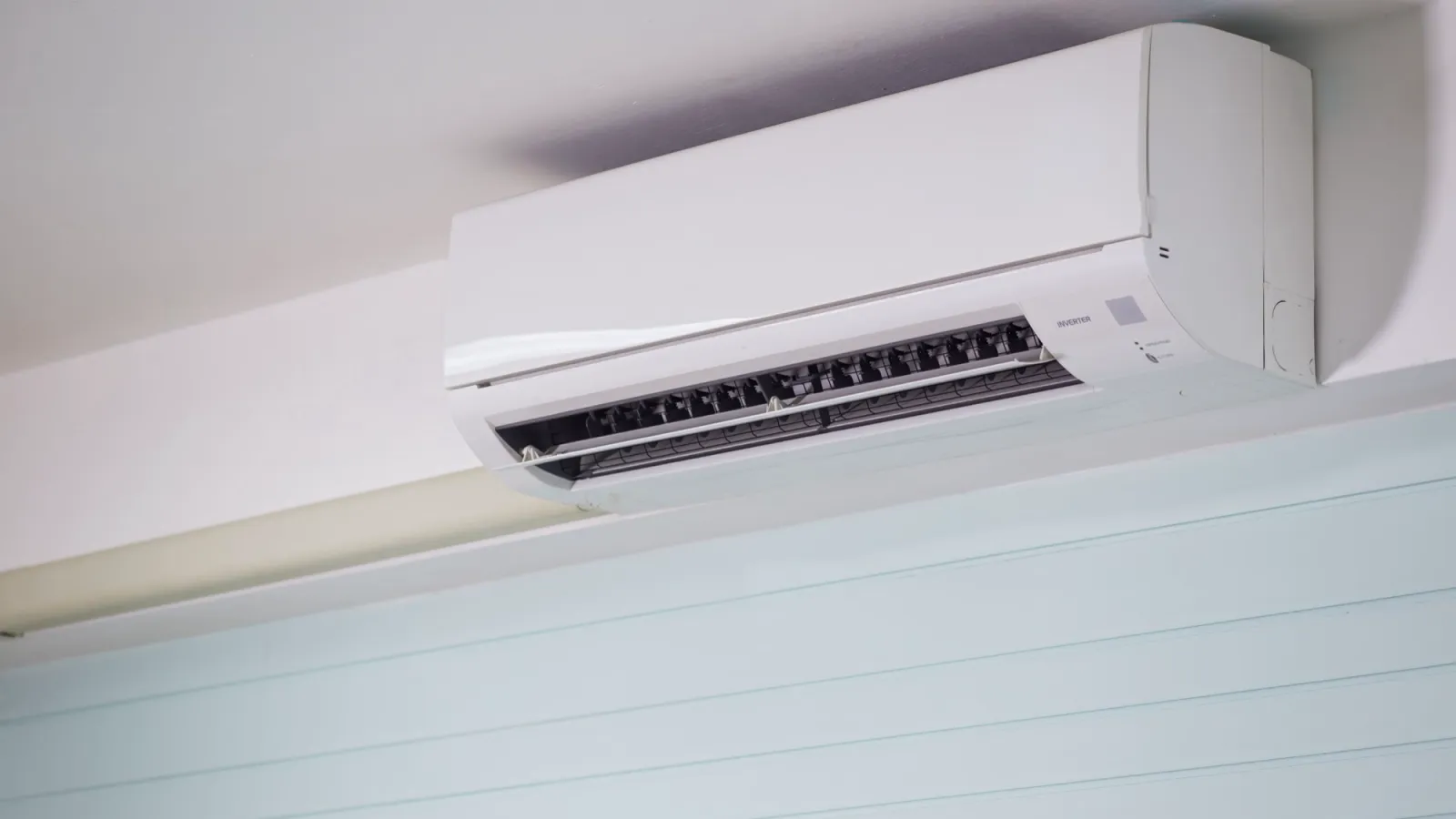
Mini split systems in the 18,000 BTU range can comfortably heat and cool a large room, apartment, garage workshop, or small open-plan area when sized correctly. They replace a central air system in many single-zone applications and outperform window units and space heaters in both efficiency and comfort. A unit mounted high on the wall distributes conditioned air across up to 900 square feet without ductwork.
Installation pathway and warranty support matter as much as SEER2 or sticker price. A cheap unit that voids its warranty on DIY install, or one that requires a $1,200 service call six months in, is not a bargain. Zone Air delivers the strongest overall 2026 package for DIY 18k BTU buyers: final assembly, testing, and inspection in the USA, custom pre-charged line sets that eliminate extra leak points, 23 SEER2 efficiency on the 18K, wall, concealed and cassette units that mix on its multi-zone systems, and direct customer support behind a 4.8/5 review average.
Before ordering, confirm your exact heating and cooling load, check local codes for electrical permits, and verify that your breaker panel can support a dedicated circuit for 208/230V service. If you need help with proper sizing, Zone Air's mini split sizing calculator is a good place to start, or reach out to Zone Air directly for personalized guidance.