Mini Split Making Gurgling Noise: What It Means & What to Check
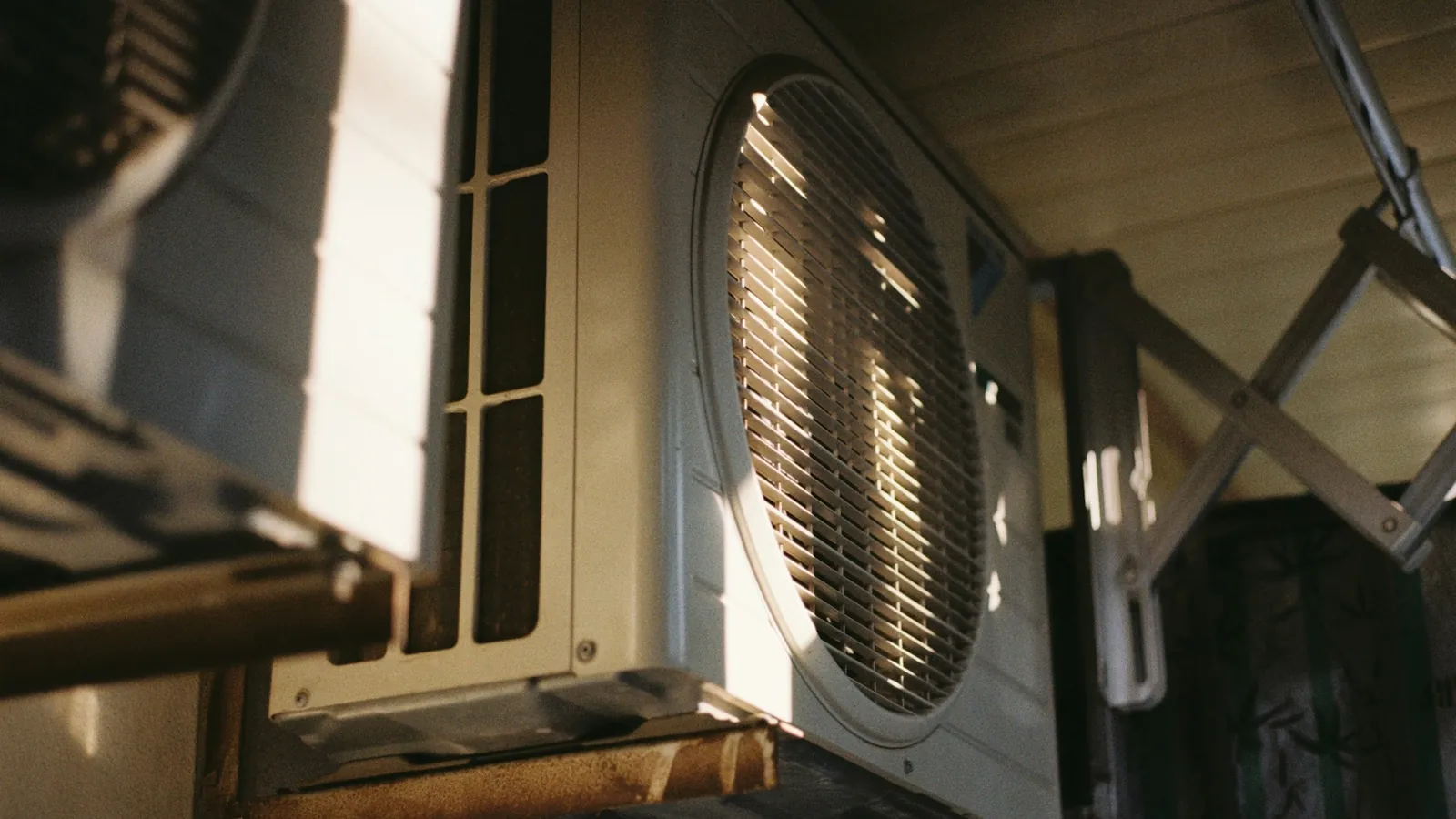
Mini split making gurgling noise is probably the single most-searched noise complaint for ductless systems. If your mini split is making a gurgling noise, it is probably the noise complaint that you search for the most when you have a ductless system. The good news is that most of the time it's just refrigerant or water doing what it should. The bad news is that sometimes it's not. This guide walks you through what causes the noise, which checks you can handle yourself, and where DIY stops and a technician takes over.
What to Know First
-
Noises that are new, loud or constant and that are not usual can point to problems, from a condensate drain that is clogged to a refrigerant leak or air that is trapped in the lines.
-
Gurgling sounds that persist, together with cooling performance that is reduced, may mean there is a refrigerant leak, and you need an EPA 608-certified technician to diagnose and repair it.
-
Before you attempt any DIY work, consult your manual or use an error-code look-up tool if your mini split unit is under warranty or displays error codes. Codes vary by brand, model and year.
What Gurgling in a Mini Split Means
-
Faint, intermittent gurgling near the indoor head or the wall penetration are often normal operation, especially during the first few minutes after start-up or when the compressor speeds up or slows down.
-
Condensate water draining through the condensate drain line can also produce soft water sounds, especially during heavy cooling cycles.
-
Louder "running water" sounds lasting more than a few minutes, or strange noises that weren't present in the system's first season, are not normal and deserve a closer look.
Normal Gurgling vs a Problem
Usually normal:
-
Soft, short-lived gurgling that happens only during start-up, shut-down or a change of mode
-
There is strong airflow and the room reaches set temperature on time
-
With no water leaks from the indoor unit, you're in good shape.
-
No visible frost or ice on lines near the outdoor unit
Worth investigating:
-
Noticeably louder than last season, or the noise continues through the entire cycle instead of fading
-
There is poor heating or cooling, or the unit is blowing warm air when it shouldn't
-
There are new water stains on the wall below the indoor unit
-
With some mini split systems, you can see bubbles in a line-set sight glass.
Common Causes of Gurgling in Mini Splits
"Gurgling" is a symptom, not a diagnosis. Multiple issues can create similar noises, from completely safe refrigerant flow to problems that lead to costly repairs if left unchecked. Here are the most common reasons:
-
Air trapped in refrigerant lines - Issues with refrigerant like low levels or air that is trapped can result in gurgling or bubbling noises. The usual cause is poor evacuation during the install.
-
Low refrigerant charge from a slow leak - Vapor pockets form where liquid should be, and this creates persistent gurgling. You may also lose cooling power over time.
-
Coiled or kinked line sets - Tight coils behind the outdoor unit trap oil and refrigerant, making normal sounds louder.
-
Indoor unit not level on its wall bracket - Condensate pools unevenly in the drain pan, producing gurgling or dripping in one spot.
Drain, mount and filter issues are generally safe for DIY. Anything that involves the sealed refrigerant circuit is a job for a licensed technician.
When Gurgling Is Just Refrigerant Working
- Mild gurgling often becomes most noticeable right after you switch from cooling mode to heating mode, or during a defrost cycle in winter, then it gets quiet after a few minutes.
If performance is good, no error codes are shown. There are no leaks or ice, you can simply monitor the sound over a few days rather than rush into service.
Serious Causes of Gurgling Like Refrigerant Leaks or Air in the Lines
-
A slow leak in the line set, flare fittings or connections at the indoor and outdoor units causes vapor pockets to form and move through the circuit. Gurgling sounds show air in refrigerant lines, and persistent gurgling may signal low refrigerant levels. You may also notice a hissing noise near joints, since hissing sounds often show a refrigerant leak.
-
Visible signs of a refrigerant leak include oily spots at flare nuts, frost or ice that forms on the small liquid line in cooling mode. The outdoor unit running constantly yet failing to reach set temperature. Gurgling can also occur if refrigerant lines are damaged.
-
Air in the lines from an installation that wasn't properly evacuated can cause flash gas and bubbling sounds, often showing up early in the life of a new unit.
Under 40 CFR 82.161, attaching or removing gauges or hoses to a split-system mini split is EPA 608 Type II or Universal work. You should not attempt to hook up a manifold set or add refrigerant from DIY kits. Low refrigerant levels and damaged refrigerant lines need a pro with proper certification.
Condensate Drain and Water Issues That Sound Like Gurgling
-
A partially clogged condensate drain line (algae, mold, debris) causes water to back up and make splashing or gurgling sounds before it starts leaking or dripping down the wall.
-
Drain lines that are not sloped properly can lead to water pooling and to bubbling sounds. Long horizontal runs or sections that sag can trap water and air pockets, and this can create noise as the mini split cycles.
-
Air that enters the condensate drain line can produce bubbling noises because of differences in pressure. Strong external winds can also push air back through the condensate drain. This causes gurgling even when the system is running normally.
-
Some systems use condensate pumps instead of gravity drains. A noisy pump or air being pulled into the pump reservoir can sound like intermittent gurgling or sucking.
Gurgling that is repeated from the indoor unit during every cooling cycle, combined with water stains or musty odors, should push you to clean the drain line or to have it professionally flushed.
Line Set Routing and Mounting Problems
-
Line sets that are coiled tightly behind the outdoor unit, or that are run vertically with high spots and low spots, can trap oil and refrigerant. This sometimes makes normal gurgling into something that is much more noticeable indoors.
-
An indoor unit slightly out of level on its wall bracket can cause both refrigerant piping strain (at flare joints) and condensate pooling on one side of the drain pan, creating gurgling or dripping in one spot.
-
An outdoor unit on an uneven or settling mounting pad can twist connections and introduce stress on the copper lines, making normal flow noises louder inside the wall. Loose panels or other components on the outdoor unit can add rattling sounds on top of the gurgling.
DIY Checks Before Calling a Technician
-
Level check - Confirm the indoor unit is level using a small level. Is the outdoor unit sitting level and solid on its pad or wall brackets? Check that.
-
Visual inspection - Look for water stains, damp drywall or mold below the indoor unit. Check for oil stains near line-set connections and frost on the lines.
-
Condensate drain - Trace the condensate drain line to ensure it slopes consistently downward (industry practice is a minimum of 1/8 to 1/4 inch per foot), has no sharp kinks, and ends in a safe location. If you can reach it, gently flush it with warm water to clear slime.
-
Error codes - Check the indoor display or remote for codes. Codes vary by brand and model, so cross-check with your manual or a code look-up site like diyhvactools.com for brand-specific meaning.
When to Call an HVAC Technician
Call a licensed technician if you see:
-
Persistent loud gurgling for days, combined with poor heating or cooling
-
Visible ice on outdoor lines or the coil
-
Signs of a refrigerant leak (oil, frost or a hissing noise near fittings)
-
There are breakers tripping at the outdoor unit disconnect
-
Shut the system off at the disconnect immediately if you hear a banging sound, grinding sounds (pointing to internal components that are malfunctioning), or a burned smell from either unit.
An HVAC technician will check system pressures, superheat, subcooling, sensor readings and error history. For refrigerant work, EPA 608 certification is needed. For newer mini split units still under warranty, documentation of professional service helps preserve coverage. Unauthorized refrigerant charging can void warranties and lead to more expensive repairs down the road.
Other Noises You Might Hear Alongside Gurgling
- Clicking sounds - Soft single clicks during start-up and shut-down from relays are normal. Repeated clicking with no compressor start can show a faulty control board or capacitor issue that needs a technician.
FAQ About Mini Split Gurgling Sounds
My mini split gurgles more in heating mode than in cooling mode. Is that a problem?
Mini splits reverse refrigerant flow in heating mode, so refrigerant and oil can move differently and sometimes sound louder, especially during defrost cycles in cold weather. As long as the room reaches set temperature and no error codes appear, extra gurgling in heating mode is usually normal. Sudden changes in noise plus weak heat warrant a service visit.
Does a gurgling noise always mean I need more refrigerant?
Most mini split noises turn out to be normal flow noise or condensate drain issues, so you might assume gurgling equals low refrigerant. Only an HVAC technician with gauges and temperature measurements can determine if the refrigerant charge is actually low. Adding refrigerant without checking for a leak first is wasteful and often against EPA best practices.
Figures and specs above are as published in October 2026 and may change. Your own unit's installation manual and local code take precedence. Brand names are trademarks of their respective owners, and this site is not affiliated with them.