Mini Split Making Clicking Noise? How to Decode It Before Calling a Pro
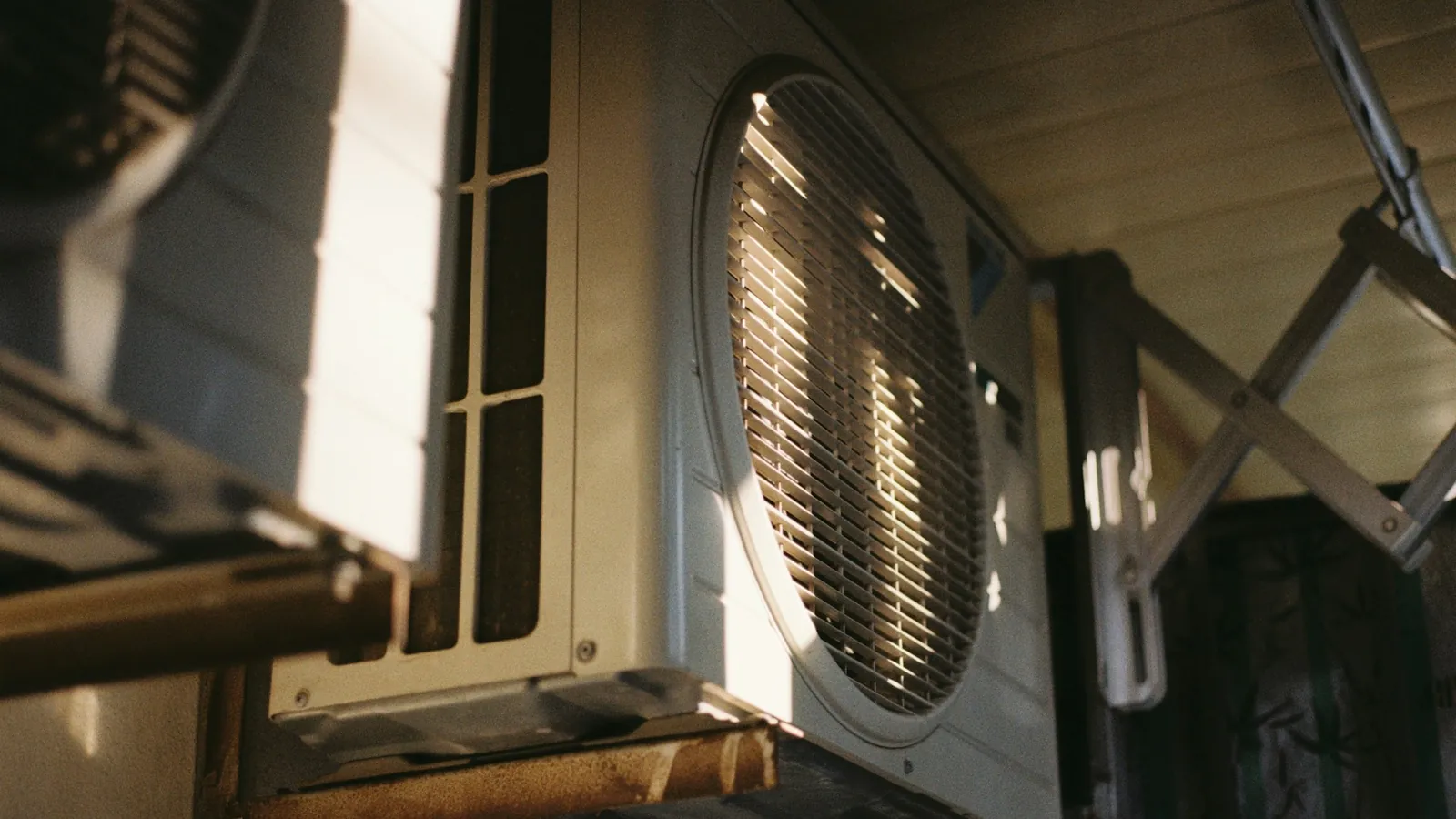
If your mini split making clicking noise has you worried, the fix is often simpler than you would think. This guide walks you through which clicks are normal, which ones signal real trouble, and what you can check yourself before you spend money on a service call.
Key Takeaways
-
Many mini split clicking sounds are completely normal and may not need repair. The plastic housing is expanding and contracting, and the switches click when the unit starts up.
-
Red-flag clicks are loud, rapid or constant during operation, especially if the system stops heating or cooling like it should.
-
You can safely check the air filters, any loose panels, the swing flaps and debris around the outdoor unit with basic tools once the power is off.
-
Ignoring clicking sounds can lead to internal damage, and ignoring noises can push your cooling bills up by 20% or more.
-
If your mini split system shows an error code alongside the clicking, you can look up that code by brand and model at diyhvactools.com to narrow the problem before you call anyone.
Is a Mini Split Making Clicking Noise Actually a Problem?
A single click when the mini split starts or stops is usually just a switch turning on or plastic parts settling, and an occasional popping sound from the indoor unit panels as temperatures shift falls into the same category. These common sounds happen in almost every ductless unit on the market.
Contrast that with these warning signs:
-
Rapid clicking from the outdoor unit with no fan or compressor start-up
-
There are loud electrical clicks that happen every few seconds.
-
There is clicking combined with no heating or cooling output.
-
Strange noises that come with a flashing error code on the display
Because mini splits are designed for quiet operation, with indoor units usually running at 19 to 26 decibels on low fan speed, new or changing noises deserve a quick check. It helps to notice when the clicking occurs and whether it's coming from the indoor unit or outdoor unit, since that narrows the root cause before you do anything else.
Clicking Sounds That Are Normal
Thermal expansion and contraction. Plastic housing, metal brackets and refrigerant lines in the indoor head are expanding as hot refrigerant flows through and contracting when the system shuts down. Plastic expansion and contraction cause clicking noises during temperature changes. Mitsubishi's own technical documentation notes that U-shaped clips and coil covers produce soft pops as the heat exchanger warms the surrounding plastic. Plastic parts can make normal clicking noises at startup or shutdown. Thermal expansion causes harmless clicking sounds in mini splits.
Control relay and valve sounds. Electrical switches inside the control board click when switching modes. A single click or short series of clicks from the outdoor unit when the compressor or reversing valve turns on is normal control switch operation.
Defrost cycles. In heating mode, especially below about 40°F, the outdoor unit is switching into and out of defrost. This produces a click (sometimes several), often followed by a brief rushing or gurgling sound as refrigerant flow reverses. The system is doing its job.
What Causes Clicking Noises in Mini Splits
Loose panels or brackets. Vibration can back out screws on the indoor head or outdoor unit over months of operation. Loose parts or screws are rattling and producing clicking noises that match the fan speed. Loose parts cause clicking in mini splits that were previously running quietly.
Fan blade issues. Debris stuck to or hitting indoor or outdoor fan blades creates a steady clicking sound, one click per revolution. Obstructed fan blades create steady clicking sounds you can often time with a watch.
Electrical part problems. Faulty switches, contactors or control boards can "chatter," producing rapid electrical clicking. So what causes rapid electrical clicking? Faulty switches, contactors or control boards can "chatter," producing rapid electrical clicking. A clicking sound may show faulty electrical switches. When a contactor coil is receiving less than about 18 to 20 VAC (on a 24 VAC circuit), the moving part pulls in and drops out repeatedly, creating fast, clear clicks. Rapid clicking from electrical components could show an electrical problem. Electrical switch issues can also produce clicking sounds.
Damaged or misaligned plastic parts. Warped front covers, broken flap hinges or a loose drain pan can tap or click as airflow moves them.
Ice or frost interference. Ice buildup inside or on the outdoor unit can make clicking or popping sounds as fan blades strike frost or as ice breaks free during defrost cycles.
Vibrating refrigerant lines. Lines that touch siding, brackets or each other can create localized clicking sounds that come and go with compressor speed changes.
A blower motor problem can also trigger clicking noises, especially if bearings are worn or the wheel is out of balance. Specific brands and models may have unique failure points, so check your manual for model-specific guidance.
Indoor Unit Clicking and What You Can Check
These are checks you can handle with a screwdriver and flashlight. You will want to turn the power off at the breaker first.
-
Front cover and case. Press gently along the top and sides of the indoor unit. Make sure all latches are fully snapped and visible screws are snug. Don't overtighten. Just confirm nothing is loose. Loose screws on panels are one of the most common fixes for a noisy system.
-
Air filter area. Open the front panel, remove the filters and use a flashlight to look for anything that could tap the blower wheel: a loose wire, broken plastic tab, label or foreign object. You might find that a persistent click is caused by a piece of factory tape touching the blower wheel inside the unit.
-
Louver-related clicking. A stuck louver motor can create a repeating click sound every time the vane tries to move. You can use the remote to turn off the swing function. If clicking stops, the louver motor or its alignment is the issue.
-
Nearby objects. Check for blinds, curtains or paper close to the discharge that tap against the unit when the fan speeds up.
Outdoor Unit Clicking Sounds: Quick DIY Checks Around the Condenser
You will want to shut off power at the disconnect or breaker before touching the outdoor unit.
-
Panels and grille. Tap the top and side panels, fan guards and service covers. If anything flexes or buzzes, tighten the fasteners. Check for loose parts or debris around the unit.
-
Fan area. Leaves, twigs, ice chunks or even a zip tie left from installation can hit the outdoor fan blade once per revolution. Debris in the fan can cause steady clicking noises. Clear anything you can reach without removing the fan cover.
-
Mounting and vibration. Verify the outdoor unit is level, rubber vibration pads are intact, and refrigerant lines are not rubbing against siding or metal supports.
-
Environmental sources. Loose gutter parts, rain chains or vinyl siding near the unit can create sounds that seem like they come from the condenser. Tap nearby objects while the unit is off to rule them out.
When Clicking Noise Means You Should Shut It Down
Rapid electrical clicking with no startup. Fast on/off clicking from the outdoor unit combined with the compressor not starting, lights dimming or breakers tripping points to a serious electrical problem. Some clicking noises may show a mechanical or electric failure that needs a technician.
Clicking plus burning or electrical smell. Overheated wiring, switches or boards produce a distinct odor. You will want to power the unit off at the breaker immediately. This needs immediate attention.
Clicking with no heating or cooling. If the system clicks repeatedly but delivers only room-temperature air, the compressor or inverter may be failing. Continued operation can cause more damage, and complete system breakdowns can occur during high-demand heat if these signs are ignored.
Clicking followed by error codes. Many 2020 to 2024 mini splits flash LEDs or show number codes on the indoor display when control problems occur alongside clicking sounds. Note the code before powering down.
DIY Steps vs. Calling an HVAC Pro
Some checks are fine for you to do. Refrigerant and high-voltage work legally and safely are jobs for a pro.
Safe DIY steps:
-
Gently rinsing the outdoor coil from outside with low-pressure water in warm weather
-
Tightening accessible case screws and checking for loose parts
-
Clearing debris around the outdoor unit
-
Turning off and resetting the system, which can resolve minor clicking problems
-
Inspecting the power supply for steady connections at the disconnect
What needs a certified technician:
Anything involving the sealed refrigerant circuit (refrigerant leak, low refrigerant levels, frozen coils) or opening electrical compartments falls under EPA 608 Type II rules for high-pressure equipment such as split-system mini splits. Under 40 CFR 82.161, attaching or detaching gauges and hoses to a mini split needs EPA 608 Type II or Universal certification, so DIYers should not connect manifold gauges to investigate clicking-related refrigerant issues. EPA 608 certification never expires once it has been earned.
Calling a pro early for serious clicking is usually cheaper than waiting. Replacing a contactor or capacitor usually runs $150 to $300 including labor, while a failed compressor or control board costs far more.
How Error Codes and Odd Noises Work Together
Modern mini splits use both common sounds and error codes to communicate problems. When a new clicking noise appears alongside reduced efficiency or a system that is not working properly, check the display.
Different brands use different code formats. Some show two-digit number codes on the indoor display. Others are using blinking LED patterns on the indoor or outdoor unit board.
EG4 hybrid solar mini splits, for example, use two-digit numeric codes: code 03 means indoor/outdoor communication fault, codes 31 and 32 flag the indoor air and evaporator coil sensors, and codes 06 and 58 point to fan motor faults. If clicking from the outdoor unit comes with code 43 (low voltage protection), the transformer or 24V supply circuit is the likely culprit.
Lennox ductless models built on Midea platforms share classic Midea-style codes. Their October 2020 Corp1816-L7 service manual separates code tables by series, so MPA/MPB/MLA units use classic Midea codes while MCB/MWCB units use four-character codes. You'll need the exact model number from your data plate to find the right table.
Whenever a new clicking noise appears with poor performance, check your indoor display, remote or outdoor board LEDs for codes, then look up what those codes mean for your specific brand at diyhvactools.com. Codes and clicking together often narrow the problem to sensor faults, communication errors or outdoor fan issues, which speeds up professional repair and keeps costs down.
Maintenance Habits That Help Prevent Clicking and Other Noises
-
Filter care. Cleaning filters every 1 to 2 months reduces noise. In dusty homes or houses with pets, check monthly. Clogged filters cause reduced airflow, which can lead to uneven room temperatures, fan strain and vibration that creates or makes clicking worse.
-
Coil and drain cleaning. So what does annual cleaning of indoor coils and condensate pans do? It reduces mold, debris and water-related buzzing sounds or popping. Deeper cleanings often need a pro with proper tools.
-
Outdoor unit care. Keep at least 18 to 24 inches of clear space around the outdoor unit. Trim plants, and keep gravel, mulch and leaves away from the base so debris doesn't hit the fan blades. Regular cleaning prevents rattling from loose parts or debris.
Between professional service visits, you will want to keep an eye on your system. If new sounds or codes appear, look them up at diyhvactools.com to catch problems early and keep your unit running quietly.
FAQ on Mini Split Clicking Questions
My mini split clicks every few seconds but won't start. Why?
Rapid, repeating clicks from the outdoor unit with no fan or compressor start-up usually show a failing control board, switch or capacitor that's attempting to start the system and immediately dropping out. You will want to shut the unit off and call an HVAC professional. Repeated failed starts can damage the compressor, and these components involve high-voltage connections best left to a technician with proper tools.
Figures and specs above are as published in October 2026 and may change. Your own unit's installation manual and local code take precedence. Brand names are trademarks of their respective owners, and this site is not affiliated with them.