Mini Split Making Buzzing Noise? How to Diagnose It Before You Call a Pro
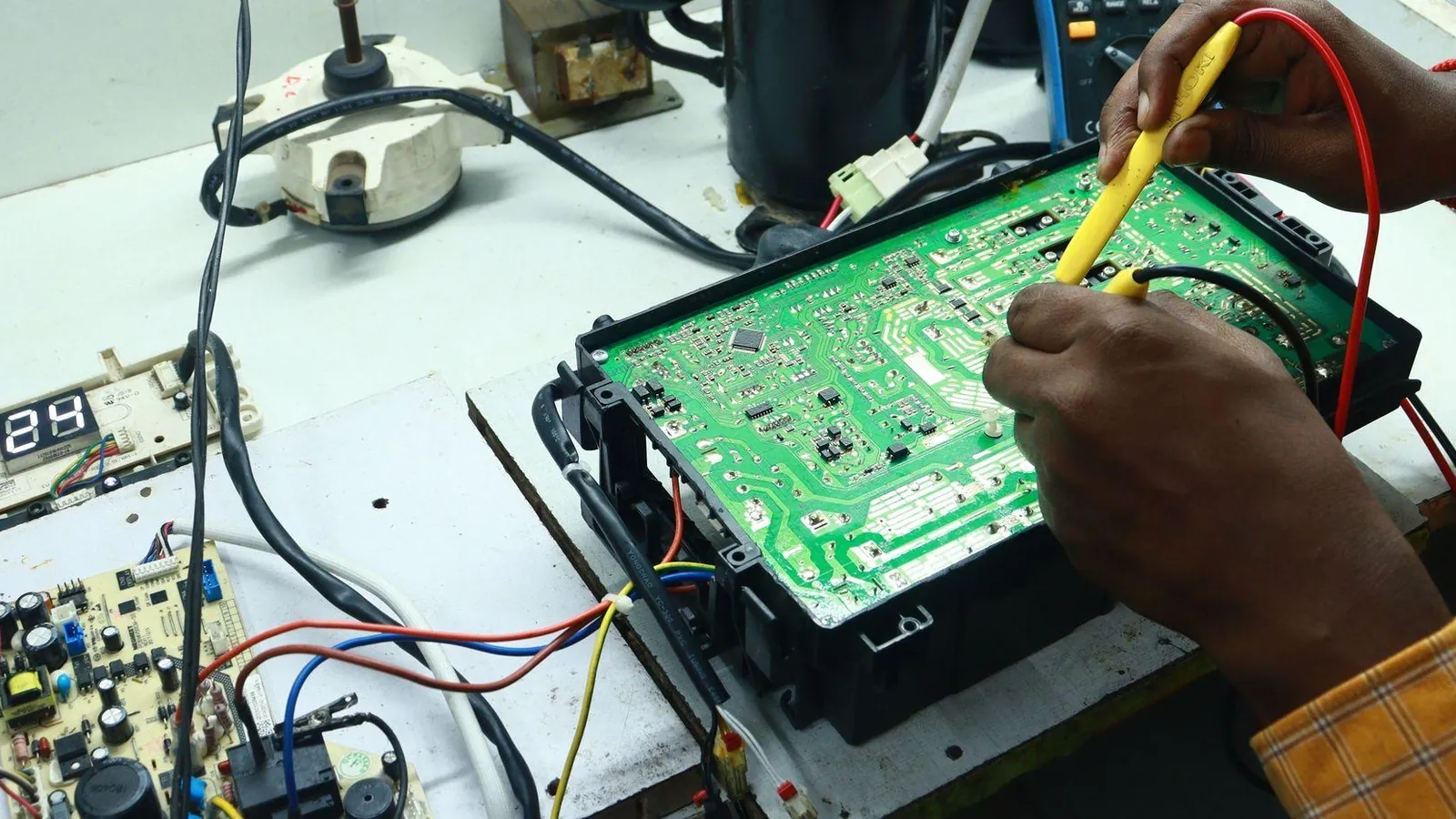
If your mini split making buzzing noise has you worried, the sound can mean anything from a loose screw on a plastic panel to a failing contactor in the outdoor condenser. Most of the time you can narrow it down with nothing more than your ears, a screwdriver and a flashlight. This guide walks you through where the buzz usually comes from, what you can safely check on your own, and when you need to hand the job to a licensed technician.
Key Takeaways
-
Electrical parts like contactors, switches or power supplies, or rattling refrigerant lines or loose parts on the indoor or outdoor unit are usually what a mini split making buzzing noise can go back to.
-
Persistent electrical buzzing or any burning smell is a safety hazard. You might want to shut the whole system off at the breaker before you inspect anything.
-
You can safely check panels, air filters, mounting brackets and basic sources of rattling. There are problems with the compressor, the inverter board and any work on the sealed refrigerant circuit that need a professional technician with EPA 608 certification.
What "Buzzing" Sounds Like
Buzzing is a continuous or intermittent electric-sounding hum, sometimes felt as rattling through the wall or lineset. It can be different from other common mini split noises.
- Hissing or whistling sounds usually show a refrigerant leak.
Buzzing often shows electrical issues in mini split systems. True buzzing usually comes from contactors, switches, power supplies, condensate pumps or copper lines touching the house structure. Pay close attention to when the noise happens, because that timing cuts down the list of things to check before you ever pick up a tool. You'll want to note whether it happens at startup, only when the compressor comes on, only in heat pump mode, or only from the outdoor unit.
Safety Checklist for Mini Split Work
Electrical buzzing can mean overheating, arcing contacts or loose wiring. Loose wiring creates buzzing sounds and brings safety hazards, including fire risk, so don't skip this step.
-
First, turn the system off at the remote or thermostat, then flip the dedicated breaker in your electrical panel.
-
Do not open any electrical compartment, disconnect box or sealed panel unless your owner's manual labels it as user-accessible for you.
-
Under 40 CFR 82.161, anyone who attaches or takes off hoses and gauges on a split-system mini split, which is a high-pressure appliance, must hold EPA 608 Type II or Universal certification. EPA 608 has four certification types: Type I is for small appliances, Type II is for high-pressure equipment such as mini splits, Type III is for low-pressure, and Universal. Certification never runs out.
-
There are safety risks that are tied to electrical buzzing or burning smells in air conditioning systems. If you smell hot plastic or see burned insulation, it's best to leave the breaker off and call an HVAC professional.
Buzzing Noise Sources Inside
Indoor unit buzzing tends to be softer. You hear it most in a quiet house at night when background noise drops and the system running quietly at low fan speed makes any strange noises stand out. Indoor units are usually rated around 19 to 30 dB at low speed, so anything above the number that is in the published spec deserves a closer look.
-
Loose front panel and plastic trim. Loose parts can rattle and create buzzing sounds. The front panel, side clips or decorative trim can rattle against the chassis, especially when the blower wheel speeds up to higher speeds. Tightening loose parts brings down mini split noise levels.
-
Dirty air filter and clogged evaporator coil. A blockage in airflow that is caused by dirty filters can lead to unusual noises from a mini split system. The blower motor works harder against the blockage, turning a normal low hum into a higher-pitched buzzing or whining. Cleaning coils and changing dirty air filters often brings back a quiet fan sound.
-
Stepper motors for louvers and guide vanes. These small motors adjust airflow direction. On a new mini split, dust or manufacturing residue can bind them, causing a light buzz or click when they move.
-
Condensate pump (if equipped). Wall cassettes and ceiling cassettes sometimes have an internal pump. With a failing pump or one with a loose bracket, you get a distinct buzzing. In one case on record, tightening the pump bracket screws and adding a rubber gasket got rid of the noise.
-
Warning signs. Along with buzzing, a plastic smell, flickering lights or a warm wall plate means you should shut the system off at the breaker and contact a professional technician. A loud buzzing usually points to loose electrical connections, and those need immediate attention.
Buzzing Noise Sources Outside
Compressor buzz. While the mini split system is running, a deep, steady electrical hum is typical. Buzzing can also result from a compressor drawing too much power due to a failing run capacitor or low supply voltage. Grinding noises usually show a failing motor or compressor and should not be ignored.
Loose panels and fan blades. Sheet-metal service covers, the fan guard or wobbling fan blades can buzz when the compressor shakes the cabinet. Rattling may result from improper installation or uneven mounting of the outdoor condenser on its pad.
Vibrating refrigerant lines. Copper refrigerant lines can shake and generate noise if they are not secured properly. When tubing touches siding, wood framing or metal conduit, compressor vibration moves through the copper and you can hear it. One common fix is to re-route the line and add rubber isolation clips, which gets rid of the buzz.
Contactor chatter. If the contactor coil is getting less than about 18 VAC (below its holding voltage), it kicks in and drops out rapidly, producing a machine-gun-like buzzing. In one case, a faulty transformer fed only 15 VAC to the coil. Replacing the transformer and tightening control wires solved the noise.
Heat pump defrost. Buzzing that only appears during winter defrost in heat mode can be normal operation. The reversing valve shifts and refrigerant flow changes direction. But loud or new gurgling sounds or harsh buzzing still deserve inspection.
DIY Checks for a Mini Split Making Buzzing Noise
-
Locate the source. You'll want to stand near the indoor unit, then the outdoor unit, with the system running. You'll also want to listen and note which unit produces the buzzing and at what fan speed or compressor stage.
-
Power off. Shut down at the breaker.
-
Tighten accessible screws. Check the indoor front panel, side panels and outdoor cabinet covers. Tightening loose screws can often fix rattling noises and noise problems that are tied to vibration.
-
Check indoor mounting. Push the indoor unit gently. If it rocks on the bracket or you hear a metallic buzz, the wall mount bracket needs shimming or re-securing. A gap at the top of the unit is a common cause.
-
Inspect refrigerant lines at the wall penetration. You'll want to look for copper touching wood or metal. You'll also want to plan to add foam pipe insulation or rubber spacers where lines contact the house.
-
Clean or replace the air filter. Remove it, wash or replace per your manual, then run the system again. If the strained fan sound drops, restricted airflow from dirty filters was at least part of the problem. Replace disposable filters every 3 to 6 months for best performance.
-
Clear debris from the outdoor unit. Debris around the outdoor fan can block airflow and cause buzzing or rattling noises. Remove leaves, twigs and gravel. Make sure the unit sits level on a firm pad so vibration does not get louder through decking or pavers. Debris like twigs cause rattling in outdoor units and are the easiest fix on this list.
-
Run and re-listen. Power back on and note whether the noise keeps going, changed or is gone.
When Buzzing Is Normal
During operation, a soft hum from a variable-speed inverter compressor is usually normal. Inverter heat pumps change speed, and at low RPM the compressor can produce a quiet electrical hum that is more noticeable in a quiet room.
-
Buzzing that gets louder week by week or changes to a rougher, metallic tone
-
Burning odor, dimming lights or tripped breakers alongside the noise
-
A brand-new mini split with loud buzzing from day one can signal improper installation like a loose lineset or loose panels
-
Constant high-pitched buzzing from the indoor unit display area with error codes flashing, pointing to control board or low-voltage electrical problems
Issues to Leave to an HVAC Pro
-
Compressor and inverter board problems. Abnormal amp draw, inverter whine or buzzing combined with random shutdowns require meters, factory diagnostic codes and experience. A loud buzzing indicates potential electrical issues inside sealed compartments.
-
Refrigerant flow problems. Persistent hissing can signal a refrigerant leak. Buzzing with hissing, icing on lines or poor heating and cooling performance means the sealed circuit needs attention. Under 40 CFR 82.154(c)(1)(vii), refrigerant already sealed inside an appliance with a fully put-together circuit is exempt from certification rules, which is why a pre-charged mini split can be sold to a homeowner. But diagnosing and repairing refrigerant levels needs EPA 608 Type II or Universal certification.
-
Fan motors, bearings and transformers. Rattling sounds can show a failing fan motor or internal parts. Worn bearings in sealed motors and buzzing transformers inside the outdoor control compartment are not something you can service yourself.
-
When to call. If your DIY steps do not achieve noise reduction within a day or two, or if breakers trip, lights dim when the unit starts, or you detect any sign of overheating, call a licensed HVAC professional for professional service.
Stopping Future Mini Split Buzzing
-
Schedule annual maintenance. Annual maintenance helps prevent noise-related issues in mini splits. For vibration, a professional tune-up covers electrical connections, coil cleaning and hardware checks. Inspect both indoor and outdoor units for loose hardware regularly between service visits.
-
Proper installation matters. Correct mounting brackets, vibration-damping pads under the outdoor unit, and well-supported refrigerant lines with rubber-lined clips instead of zip ties alone prevent noise problems from the start. Improper installation is the single most common reason a noisy system gets buzzing in its first season.
Mini Split Buzzing FAQ
Why is my new mini split making a buzzing noise the first week?
A quiet electrical hum from the outdoor unit and low blower noise indoors are normal from day one. Sharp or loud buzzing on a new mini often points to improper installation: loose panels, linesets touching the house or an outdoor unit that is not level. Check that the indoor unit is firmly seated on its bracket and that all screws on the outdoor unit are tight. If the buzzing keeps going, call the installer back while the unit is under warranty.
Can a dirty air filter really make my mini split sound like it's buzzing?
If your filter is clogged, it forces the indoor fan motors to pull harder against restricted airflow, changing a normal fan hum into a louder, strained noise some people describe as buzzing. You'll want to wash or replace the filter and run the unit again. Restricted airflow was at least part of the problem if the sound drops. Clean filters are the simplest form of noise reduction.
Is It Safe to Run a Buzzing Mini Split?
If the buzzing is new, loud or comes with burning smells, dimming lights or trips at the breaker, it is not safe to keep running. Shut the unit off until an HVAC professional looks at it. Letting an electrically buzzing compressor or control board run can turn a small repair into a full outdoor unit replacement and cause severe damage.
Why Does My Mini Split Only Buzz in Heat Mode?
During defrost, a gentle extra hum is normal. Heat pump mode uses the same components at different pressure ranges. The reversing valve shifts refrigerant flow direction, and longer defrost cycles in cold weather change the sound profile. Loud or new buzzing that only appears in heat mode may show strain under higher winter loads and deserves a technician's look.
Can I spray foam around the outdoor unit to stop buzzing?
Do not spray foam directly onto the outdoor unit cabinet, coils or controls. Foam traps heat, blocks airflow around the outdoor condenser, and creates moisture problems. Instead, use proper vibration pads under the feet, rubber-lined clamps on refrigerant lines, and keep at least the manufacturer's recommended clearances open around the unit for proper drainage and airflow.
Figures and specs above are as published in October 2026 and may change. Your own unit's installation manual and local code take precedence. Brand names are trademarks of their respective owners, and this site is not affiliated with them.