Mini Split Condensate Drain Clogged: Fast Fixes, Causes & Prevention
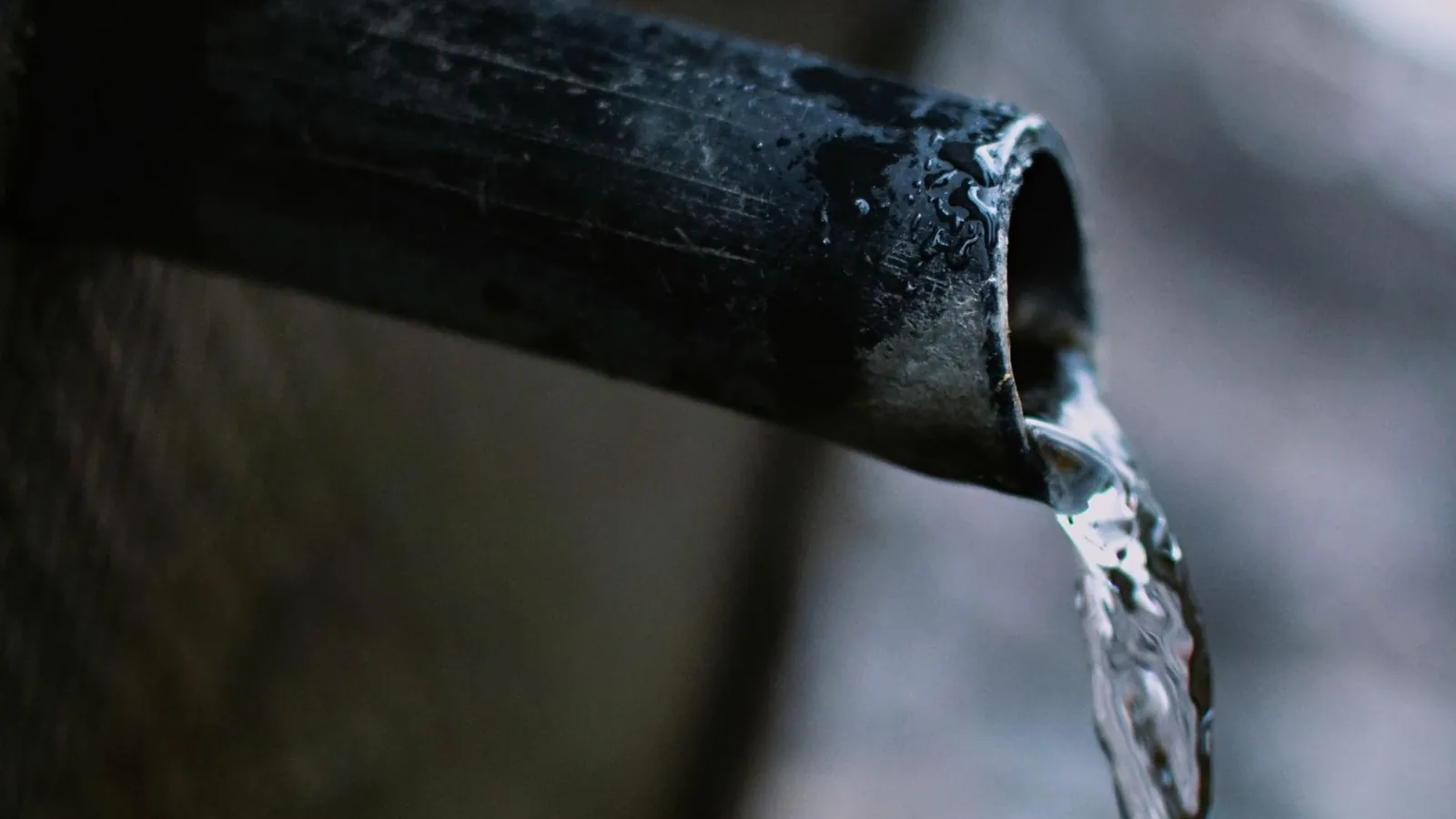
A mini split condensate drain clogged is the most common reason that water starts dripping from the indoor unit of a mini split. The good news is that most clogs are an easy DIY fix with a wet/dry vacuum, some vinegar and about 30 minutes. This guide walks you through what to check, how to clear the blockage, and when the problem is bigger than a simple clog.
What to Know First
-
First checks: Turn the mini split off at the remote and breaker, find the outdoor drain outlet, clear visible debris and use a wet/dry vacuum on the drain outlet to pull the clog free.
-
Repeated clogs, frozen coils or a thought refrigerant leak are jobs for a technician that may involve checking refrigerant levels and reading error codes for your model.
-
ENERGY STAR says that plugged condensate drains can change indoor humidity and cause water damage, so ignoring minor leaks is risky even when cooling still seems fine.
How a Mini Split Drainage System Works
That condensate drips down into a plastic drain pan that sits under the coil inside the indoor air handler, then goes out through a condensate drain line that runs through or behind the wall to the outside.
Most US ductless installations are gravity drainage. The mini split drain line must slope downward at least 1/4 inch per foot from the indoor unit to the drain outlet, with no sags or upward loops, so water doesn't stand in the line. Mini split systems also have a minimum drain slope of 1/100 to keep water moving. In tight spaces, or in basements or in any situation where the line has to go uphill, installers add a condensate pump. The pump moves water up to a safe discharge point.
The full drainage system has these parts:
Why a Clogged Condensate Drain Line Matters
Concrete consequences include:
-
There is water leaking from the indoor unit cover or pooling around the base
-
You can see water damage on walls below the unit, and that means drainage has failed
-
Baseboards that swell, laminate floors that bend and structural damage that happens over time
-
There are musty odors from mold that is growing inside the drain pan and growing inside the line
Newer mini split systems often have a "water-full" float switch. The switch shuts the unit down when the drain pan fills. On Gree-built units, for example, E9 is the code for indoor water-full protection on the drain. It is the code that goes off when the water level switch finds overflow for about 8 straight seconds. Standing water from poor drainage can cause these times when the unit shuts down even when nothing else is wrong.
Common Culprits Behind a Mini Split Condensate Drain Clogged
Biological buildup. The inside of the condensate drain line is warm and moist, and that creates ideal conditions for algae, mold and gunk. Clogged drain lines often come from algae and mold growth. You can check for algae or gunk buildup by inspecting the drain tube. Look for green, black or dirty residue. In humid climates, gunk can build up within weeks if maintenance is neglected.
Dust, debris and pet hair. Dust and debris accumulation can form gunk in drain lines. Drywall dust from renovations, pollen and pet hair wash off the evaporator coil. They collect in the drain pan, and they move into the line as sediment. Even small amounts matter. Many drain lines are only 3/8-inch or 1/2-inch inner diameter.
Signs Your Mini Split Condensate Drain Is Clogged
- Error codes on the indoor display or remote. Error codes may show drainage or float switch errors in mini split systems. Some units shut down automatically and others just flash a code and keep running.
First Steps When You See Water Dripping
Safety first: shut the mini split off at the remote, then kill power at the disconnect or breaker before you do any hands-on checks.
-
Put towels, a bucket or a shallow pan under the indoor unit. That way you can protect the wall and floor while you troubleshoot.
-
Find the condensate drain outlet outside. It is usually a small plastic or PVC pipe that goes out near where the line set leaves the house or near the outdoor unit. You can look at the drain line for blockages at the outdoor end.
-
Make sure the drain outlet isn't buried in mulch, soil, snow or leaves. If the unit has been running recently, you should see water flow. A dry outlet on a humid day is a warning sign.
-
Gently run a small zip tie or flexible plastic strip a short distance into the drain outlet. That will knock loose surface debris. Avoid driving rods or metal tools deep into the condensate drain line. You could put a hole in the drain pipe.
-
If water immediately starts flowing freely once exterior debris is cleared, the clog was likely at the outlet. Let the line drain fully before you restore power.
DIY Methods to Clear a Clogged Mini Split Condensate Drain Line
Most mild to moderate clogs can be cleared with common tools and about $30 worth of supplies. Wet/dry vacs are useful tools for clearing mini split condensate drains, and a wet/dry vacuum can effectively clear moderate clogs.
Wet/dry vacuum method: Create the best seal you can around the exterior drain outlet. Use your hand or a short piece of rubber tubing that fits over the vacuum hose. Run the vacuum for 30–60 seconds, rest, then repeat until you hear a rush of water or see debris in the tank. This handles most stubborn blockages.
When a Clogged Drain Is Really an Install Problem
-
Unit tilt: Check whether the indoor unit is slightly tilted toward the side where the drain pan outlet connects. How much tilt do manufacturers need? Most manufacturers need a small planned tilt for proper drainage and flow that drains efficiently.
-
Drain line path: Check drain lines for sags or upward slopes on a regular basis. Look at accessible runs for low spots, long horizontal sections or sections that slope upward. Note that a p trap or tight U-turn is not recommended on most mini split condensate drain lines and can trap water.
-
Condensate pump problems: Signs include pump noise, water moving around in the reservoir, or a tripped safety switch. If the pump runs constantly, never runs or the pump fails completely and the discharge tubing is kinked or blocked, a professional technician should repair or replace it to prevent leaks.
How Refrigerant Issues Look Like Drainage Problems
On some Gree-built units, an F0 code means refrigerant shortage or system blockage, and C5 flags a missing or wrong jumper cap on the board. These signal sealed-system or electrical problems, not a simple condensate drain line clog.
Any suspected refrigerant leak, visible oil at flare connections, repeated coil icing, persistent leaks despite a clean line, or specific error codes requires an EPA 608 Type II–certified technician. While 40 CFR 82.154(c)(1)(vii) allows homeowners to buy and install pre-charged mini split systems because the sealed circuit is factory-assembled, opening that circuit to add refrigerant or repair leaks is technician-only work.
Routine Maintenance to Prevent Future Drainage Problems
A few seasonal habits can really cut down the chance that a mini split condensate drain clogged situation will form again. Routine cleaning prevents algae buildup in drain lines, and regular maintenance can help prevent clogs in the condensate drain. Proper drainage extends the lifespan of mini split systems.
| Task | Frequency | What to Do |
|---|---|---|
| Clean air filters | Every 4–6 weeks during heavy use | Inspect and clean filters every 4–6 weeks; rinse under water, dry fully |
| Flush drain lines with vinegar | Monthly during cooling season | Pour a cup of vinegar into the drain pan or service tee, soak 15–30 min, flush with water to prevent clogs |
| Check outdoor drain outlet | Every 2–3 months | Clear grass, mulch, insect nests, or ice buildup from the outlet |
| Inspect drain line routing | Seasonally | Look for new sags, damage, or sections that slope upward |
| Professional maintenance | Annually | Coil cleaning, drain line flushing, electrical and refrigeration checks |
Professional maintenance includes annual inspections for mini split systems. Routine professional cleaning prevents mold growth in mini split systems. ENERGY STAR and most manufacturers point out that keeping coils and drains clean reduces runtime, keeps indoor humidity stable, and helps you avoid costly repairs and expensive repairs down the road-making this one of the simplest energy efficient solutions you can adopt.
DIY vs Technician: Where to Draw the Line
-
Error codes that point to sensors, boards or refrigerant levels
-
Any work on the sealed refrigerant circuit (needs EPA 608 certification-Type II or Universal)
Technicians charge between $75 and $200 for clogged drain line repairs. Professional technicians can identify mechanical issues before they turn into water damage, mold cleanup or compressor failure. It's a good idea to document symptoms before calling for professional service. Take photos of water stains, record videos of leaking water, and note error codes and your model number so the technician arrives prepared to resolve drainage problems quickly.
FAQ
Do mini split error codes show a clogged drain?
Not always. Some modern units have float switches that display water-full codes (like Gree's E9) when the drain pan fills too much. The unit shuts down to prevent overflow. But many older or basic models show generic fault codes or none at all. Rely on visual signs like persistent leaks, musty odors and humidity changes alongside any codes. Check your model's manual or an error code search resource to match codes to causes.
Figures and specs above are as published in October 2026 and may change. Your own unit's installation manual and local code take precedence. Brand names are trademarks of their respective owners, and this site is not affiliated with them.