DIY Multi-Zone Mini Split: Zone Air vs. MRCOOL DIY Multi-Zone Systems
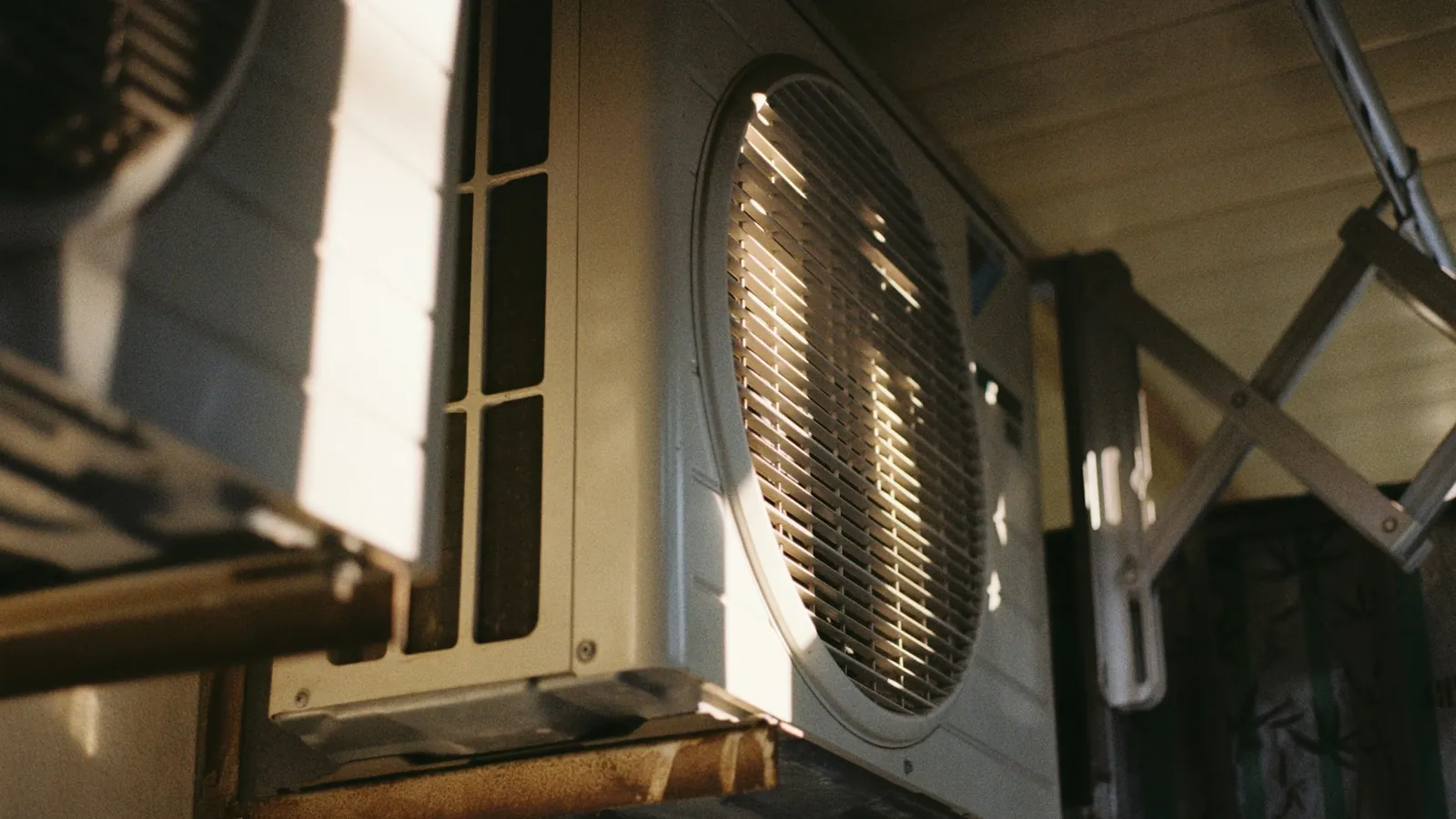
A DIY multi zone mini split lets homeowners heat and cool multiple rooms from one outdoor condenser, with no ductwork, no refrigerant handling, and no HVAC contractor on the payroll. Two brands that sell DIY multi zone systems are Zone Air and MRCOOL. Both use pre-charged, quick-connect line sets that keep the refrigerant sealed from factory to install, so you do not need a vacuum pump for the DIY installation of a mini-split system. This guide walks through the differences that matter: efficiency ratings, line set options, air handlers, electrical requirements, warranty terms, and price.
Zone Air Versus MRCOOL DIY Multi-Zone Systems
Zone Air and MRCOOL both sell true DIY mini-split systems. MRCOOL DIY systems allow installation without professional help, and Zone Air makes the same claim. The split between them comes down to how each company builds, sells and supports its product. Zone Air sells and ships every system direct to customers, so the sale, warranty, parts, returns and exchanges all go through one company. MRCOOL does not sell direct to consumers. You buy through a dealer or retailer instead, and that distinction affects returns and exchange policies.
Why Zone Air Stands Out
Zone Air does final assembly, testing, and inspection in the USA from globally-sourced components, so every system ships pre-inspected. Zone Air systems average 4.8/5 across verified customer reviews, and reviewers frequently mention helpful support during installs and with warranty questions. On efficiency, Zone Air's 230V 9,000 and 12,000 BTU wall-mount models reach 24 SEER2, while the 115V models come in at 23 SEER2. MRCOOL's flagship single-zone unit (9K, 115V) is rated 23.6 SEER2, so at 230V Zone Air holds the lead. The price difference matters too: Zone Air is often 15 to 30 percent less than comparable MRCOOL systems at equal or higher efficiency, and installation can save thousands on labor costs compared to hiring a contractor.
Multi-Zone System Options and Room Planning
A multi zone system connects multiple indoor units to one outdoor condenser, with independent temperature control for each zone. Five independent air handlers allow tailored climate control across a whole house; a bedroom stays cool at 68°F while the home office holds 72°F. Customizable comfort is available for different-sized rooms because each zone runs its own thermostat and Wi-Fi controller.
If you plan to condition two rooms now and add a third later, start with a multi-zone condenser that has a spare port. Each extra zone connects with a pre-charged line set and needs no vacuum pump. A single-zone condenser cannot become a multi-zone system; it has one port and no room to expand. Buyers who expect a second room in a few years should order the two-zone outdoor unit from the start.
Choosing Multi-Zone Capacities
Sizing a system by room area and square footage is what keeps the build on track. Here are some general coverage estimates to work from:
| BTU Capacity | Approximate Coverage |
|---|---|
| 9,000 BTU | Up to 450 sq ft |
| 12,000 BTU | Up to 600 sq ft |
| 18,000 BTU | Up to 900 sq ft |
These numbers assume you've got standard 8-foot ceilings and average insulation. If the room has vaulted ceilings, big windows or poor insulation, you'll need to bump up the capacity. For unusual floor plans, a Manual-J calculation or Zone Air's online sizing tool can help match the system to the actual load so you hit the comfort level you want without going too big. When units are too big they short-cycle, which leaves you with humidity problems and more wear on the equipment.
Zone Air Line Sets Versus MRCOOL DIY Line Sets
With a single continuous factory-sealed run, Zone Air cuts each pre-charged quick-connect line set to the exact length the run needs, so you get a line set that is anywhere from 5 to 75 feet long. There's no coupler and no field joint. MRCOOL offers line sets in fixed lengths of 11.5 ft, 16 ft, 25 ft, 35 ft and 50 ft. For runs beyond 50 ft, MRCOOL needs a coupler to join two sets together.
Every extra connection point is another potential leak. Pre-charged line sets simplify the installation process, but fixed lengths that don't match the actual distance create either too-short runs (needing extension fittings) or too-long runs with coils of excess tubing. Zone Air's custom lengths avoid both problems.
Excess Line and Installation Flexibility
Excess line coiled behind the condenser or packed inside a wall chase adds to the installation time and creates aesthetic headaches. With MRCOOL's stock lengths, a 40-foot run using a 50-foot line set leaves you with 10 feet of excess to manage. To avoid waste and keep the installation clean, Zone Air's approach is to measure each route before you order, choose the same length as the run, and get a line set with nothing left over. That is how you cut down on waste and keep the installation clean. Also, every Zone Air unit comes with its communication cable, so the wiring and refrigerant travel the same path.
DIY Installation Requirements
Both Zone Air and MRCOOL have sealed refrigerant circuits. The refrigerant is staying in the line set with its factory charge and it never opens to the atmosphere. For Zone Air, that means no vacuum pump, no gauge set and no EPA 608 certification is needed for the installation. Most local areas treat this type of install as an electrical-only permit, though you should check local codes before starting.
Installing a DIY multi-zone mini-split system takes about 6 to 12 hours. That depends on your experience and how many zones you have. Mini-splits do not need extensive ductwork for installation, and ductless mini-splits work well in homes that do not have existing ductwork. When you are installing a mini-split, you will need to plan the zoning and you will need to leave enough clearance for airflow around the indoor units and the outdoor units.
Comparing Installation Tools
With a drill, a 3-inch hole saw, a level, wrenches and a torque wrench, Zone Air lists only basic tools. MRCOOL likewise says no special tools are necessary. There is no specialty HVAC equipment for refrigerant work.
Flare-connection systems tell a different story. Pioneer, Senville and Cooper & Hunter need a vacuum pump and gauge set to evacuate the line set before charging. That tooling adds real cost to rent or buy. Those brands also often need a licensed technician to avoid voiding the warranty. Upfront costs for DIY mini-split systems are lower compared to traditional HVAC systems, and sealed quick-connect lines are the reason.
Air Handlers and Indoor Comfort Options
On one outdoor condenser, Zone Air lets you mix indoor styles: wall-mount, four-way ceiling cassette and single-room concealed ducted air handlers all work on the same multi-zone unit. Each indoor head gets its own thermostat, so a bedroom cassette and a garage wall-mount can run on their own schedules.
MRCOOL's indoor options for multi-zone include wall-mount heads and the OuttaSight cassette. The OuttaSight fits between 16-inch ceiling joists, which keeps the indoor unit out of sight up in the ceiling.
Concealed Ducted Air Handlers
For a single room, or two or three small ones, Zone Air's concealed ducted units are sized to fit. They tuck above a ceiling and distribute air through a short duct run, so the equipment stays hidden without conditioning the entire house from one place.
The ducted option from MRCOOL is the DIY Hybrid multi-position central air handler. It is available at 24K and 36K BTU and listed for about 1,000 to 1,550 sq ft through central ducts. That is a whole-home type of setup, not a single-room solution. If you want one concealed head per bedroom and a wall-mount in the living room, Zone Air's approach is the better match.
Efficiency and Extreme-Weather Performance
Ductwork energy losses can account for up to 30 percent of energy consumption in traditional systems. Ductless mini-splits avoid those thermal energy losses entirely because conditioned air goes straight from the indoor head into the room, and mini-splits can use up to 60 percent less energy than standard electric resistance heating systems.
Zone Air's 230V wall-mount models (9K and 12K) are rated at 24 SEER2, while the 115V versions hit 23 SEER2. MRCOOL's best single-zone unit reaches 23.6 SEER2, and its DIY multi-zone condensers are rated 23.9 SEER2 (18K) and 23 SEER2 (27K). Those ratings still lower energy bills compared to older systems. The system reduces power consumption without sacrificing performance. Zone Air's 230V advantage is 0.4 SEER2 above MRCOOL's best single-zone unit, and its 24 SEER2 with wall heads compares with MRCOOL's 23.9 (18K) and 23 (27K) multi-zone condensers.
Heating and Cooling Temperature Ranges
Every Zone Air system is rated to heat down to −13°F, and MRCOOL's standard DIY 5th Gen multi-zone condensers share that −13°F floor. Higher-tier MRCOOL DIY models are rated lower. How low can the temperature go before Pioneer Diamante and Senville's standard line can't keep up? Pioneer Diamante is rated to −4°F, and Senville's standard line is rated to 5°F.
On the cooling side, Zone Air has an operating range that goes up to 131°F for outdoor temperatures. MRCOOL publishes 122°F. For homeowners in desert climates where summer ambient temperatures pass 120°F, that 9-degree gap can be the difference between whether the condenser stays within its rated range or goes past it.
Electrical Choices and Plug-In Installation
Zone Air's 9K and 12K 115V models use a dedicated 15-amp, single-pole circuit. If you get the optional cord kit, they can plug into a dedicated outlet where local electrical code allows a plug-in install. Never use an extension cord. Zone Air says its 115V plug-in systems are the easiest systems to install on the market.
The downside is 23 SEER2 at 115V versus 24 SEER2 at 230V. For the 230V multi-zone condenser, it needs a 30A double-pole circuit and hardwiring.
Electrical Planning
MRCOOL's 115V DIY units are hardwired only; no plug-in cord option is provided. Before selecting a voltage, verify local electrical codes. Some jurisdictions require hardwiring for all HVAC equipment regardless of amperage. Every installation should use a dedicated circuit. Sharing a circuit with other appliances risks tripped breakers and can violate code. Check with your local building department before you start the wiring step.
Warranty, Returns, and Customer Support
A 5-year parts warranty and a 7-year compressor warranty is what Zone Air offers. Standard warranty includes 7-year compressor coverage and parts warranty lasts for 5 years. Installing the system yourself does not void the warranty, and there is no registration deadline.
Comparing Brand Policies
MRCOOL DIY 5th Gen carries the same 5-year parts and 7-year compressor coverage, with no registration required. MRCOOL's lower-tier DIY Select drops to 1 year parts and 2 years compressor.
Other brands have tighter rules. Senville says DIY installation voids its warranty. Cooper & Hunter needs a licensed technician. Pioneer gives 1 year unless the unit is registered within a week of install. Some independent HVAC technicians decline to service DIY-installed brands, so the manufacturer's own support line becomes the primary resource.
Direct Purchasing Advantages
At zone-air.com, Zone Air sells direct and shipping is free to the lower 48 states. You can return uninstalled units within 30 days, and live technical support runs from 8 AM to 6 PM Mountain Time with the same people who built the system. There's also an install video library and a written DIY manual if you want to walk through it yourself.
Price and Availability Comparison
Zone Air is often 15 to 30 percent less than comparable MRCOOL systems at equal or higher efficiency. A Zone Air 2-zone wall-mount system (24,000 BTU) covers up to 1,200 sq ft at 24 SEER2. Zone Air does not depend on retail stock or availability; every order ships direct.
Retailer and Dealer Considerations
MRCOOL returns and exchanges depend on where you buy. Each dealer or store sets its own return window and terms, so the terms for returns and exchanges are different from seller to seller. The sale, the return and the warranty claim are all handled by one company at Zone Air.
Recommended Applications for Multi-Zone Systems
Multi-zone systems are the ones that work best when rooms need different temperatures:
-
A bedroom that is kept at 66°F while the living room holds 72°F
-
A home office that runs heating or cooling on a weekday schedule independent of the rest of the house
-
A garage that needs seasonal heating but sits empty in spring and fall
-
A retail space with separate zones for the storefront, back room, and storage
For a house with five rooms that each need independent control, a multi-zone condenser with five indoor heads provides room-by-room comfort without extending central ductwork.
Frequently Asked DIY Multi-Zone Questions
Can One Outdoor Unit Serve Multiple Rooms?
A multi-zone condenser connects multiple indoor units, each with its own thermostat and Wi-Fi control. Spare ports on the condenser allow future expansion; order a pre-charged line set, connect a new indoor head to the spare port, and the zone is live. No vacuum pump, no field charging.
Does a DIY Multi-Zone System Need Vacuum Equipment?
Factory-sealed, pre-charged quick-connect line sets keep the refrigerant circuit closed from factory to wall. No evacuation is required, and no gauge set is needed. Flare-connection systems (Pioneer, Senville, Cooper & Hunter) do require vacuum equipment. Verify local code before starting; some jurisdictions still require an HVAC permit even for sealed systems.
Should Buyers Choose Zone Air or MRCOOL DIY?
Choose Zone Air for custom line-set lengths up to 75 feet in a single run, 24 SEER2 at 230V, the option to mix wall-mount, cassette and concealed ducted heads on one condenser, and direct technical support with no dealer go-between.
Final Buying Recommendation
With a 24 SEER2 rating at 230V, custom-cut line sets with no excess to deal with, heating that works down to −13°F, cooling up to 131°F, and a direct-to-consumer support model that keeps the whole experience under one roof, Zone Air is the best DIY multi-zone option out there right now. Start by figuring out how many zones you need, measuring how far your line-set runs will be, and ordering a system from Zone Air that is sized right for your setup.