120V 9,000 BTU Mini Split Heat Pumps (115V): What You Need to Know
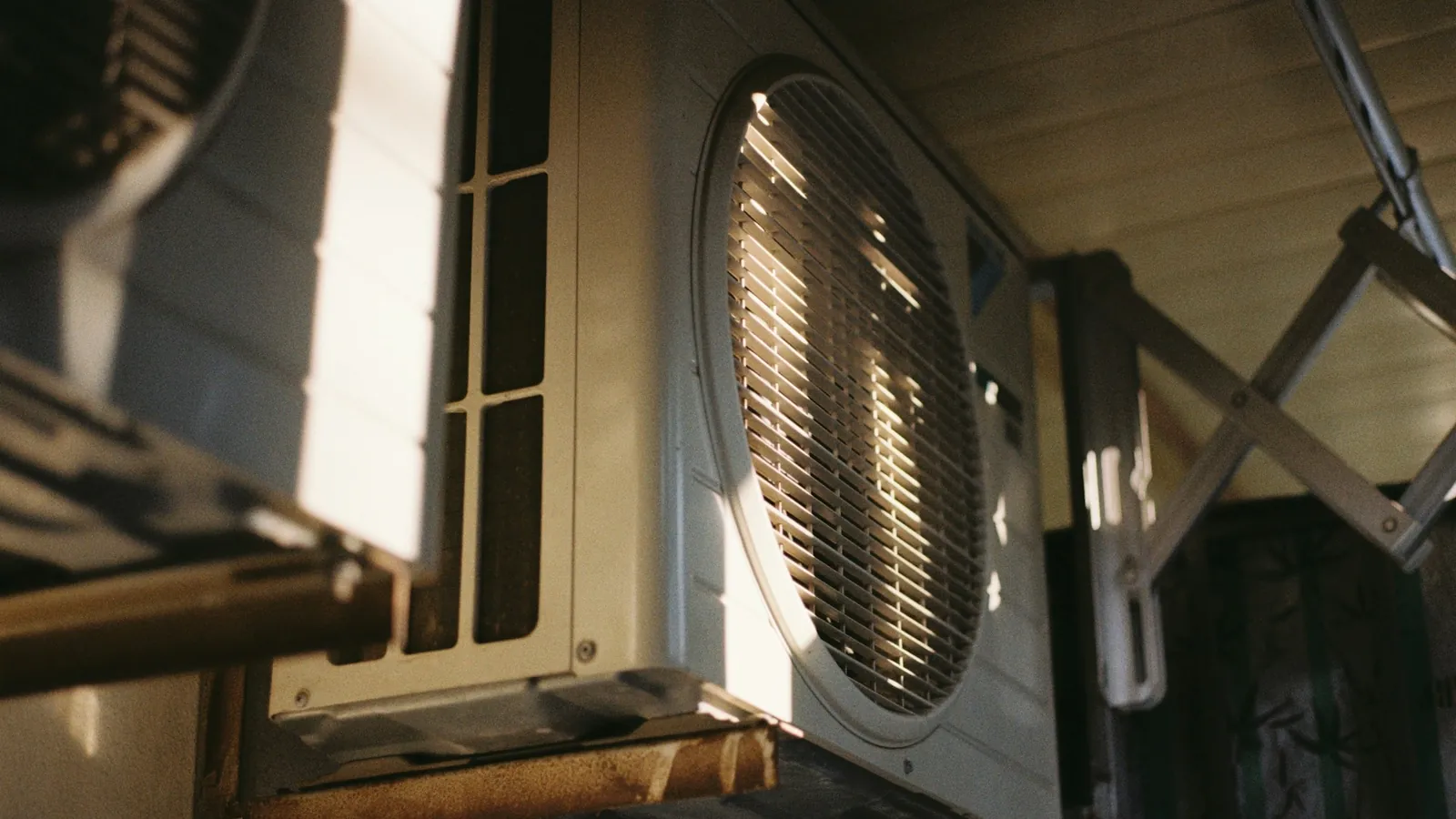
A 9,000 BTU mini split heat pump rated at 115V runs on a standard 120V household circuit - the same voltage at every US outlet. For most homeowners searching for a "120V mini split," Zone Air's 9,000 BTU 115V system is the strongest DIY option: 23 SEER2 efficiency, heating down to −13 °F, a factory-sealed pre charged line set cut to your exact run length (Zone Air's site), and a plug-in cord kit that works on a dedicated 15A receptacle where local code allows (Zone-Air.com). No vacuum pump, no gauge set, no EPA 608 certification required.
This page breaks down the types of 9K BTU 115V mini splits on the market, the specs that actually matter, and how to pick the right unit for your room, climate and skill level.
Types of 9,000 BTU 115–120V Mini Split Heat Pumps
Not every "120V" 9,000 BTU mini split is built the same way. The differences come down to how the refrigerant circuit is sealed, what tools the installation demands, and whether the system covers one room or can grow to cover more.
DIY Pre‑Charged 115V Mini Splits (Plug‑In and Hardwired)
A DIY pre charged system comes with a refrigerant line set that is sealed at the factory, plus quick-connect fittings. The refrigerant never opens to the atmosphere, so you can skip the vacuum pump, gauges and EPA 608 certification completely. Modern mini-split systems often use eco-friendly refrigerants like R-454B, and Zone Air's 9K 115V unit comes pre-charged with it.
The Zone Air 9,000 BTU 115V wall-mount needs its own 15A 120V circuit. With the optional cord kit, you can plug it into a dedicated outlet where local code permits - never an extension cord. Zone Air calls its 115V plug-in systems "the easiest systems to install on the market," and diy installation is realistic if you're comfortable with basic carpentry and a torque wrench.
The "115V" on the nameplate simply means the unit is engineered to run on the nominal 120V service in a US house. No transformer, no service upgrade.
Traditional 115V Mini Splits With Flare Connections
Traditional flare-connection 115V systems ship with an open refrigerant circuit. The installer flares copper refrigerant lines on site, pulls a vacuum and charges the system - work that legally requires an EPA 608–certified technician. Pioneer's WYT (Diamante Pro) manual, for example, requires a vacuum pump and triple evacuation (8,000 microns → nitrogen break → 5,000 → nitrogen break → 500 microns) followed by a hold of at least four hours. That tooling alone is a real expense to rent or buy.
Brands like Pioneer, Senville, and Cooper & Hunter sell 9K 115V units with flare fittings. DIYers can handle the wall mounting and wiring, but the sealed refrigerant work belongs to a professional. This route makes sense when a trusted hvac tech is already involved or when custom refrigerant lines are planned.
One Room vs Several Rooms: 115–120V Systems
Most 9,000 BTU 115V mini splits are single-zone - one outdoor unit, one indoor unit, one room covered. That's enough for a bedroom, home office or small shop. But if you expect to add a second room in a few years, buying multiple unrelated single-zone 115V systems means multiple outdoor condensers and separate circuits.
Zone Air's multi-zone condensers (at 230V) let you start with one 9K indoor head and add a second or third later on a spare port using another pre charged line set - no vacuum pump needed. You can mix wall-mount, ceiling cassette and concealed ducted air handlers on the same outdoor condenser, with each zone getting its own thermostat and wifi control. A single-zone condenser can't be converted, so planning ahead saves money and exterior wall space.
Wall‑Mount vs Concealed Ducted and Ceiling Cassettes at 9K BTU
Wall-mounted 9K heads are the most common option that runs on 115V. They mount high on an interior wall, deliver quiet airflow across the room, and are simple for DIY installation - they're a good fit for bedrooms, guest rooms and home offices.
At 230V, Zone Air also offers 9K concealed ducted and cassette units, either as single-zone systems or on multi-zone condensers. These work well when you don't want visible indoor hardware or the room layout is tricky. Zone Air's concealed ducted units are sized for a single room instead of a whole house. If you're a first-time DIYer, you'll usually start with wall mounts, while concealed or cassette styles may need more carpentry and condensate drain planning.
What to Look For in a 9,000 BTU 115V Mini Split Heat Pump
Brand taglines don't cool a room. These are the specs that actually determine whether a 9K 115V BTU mini split will perform well in your space, survive your climate and stay covered under warranty if you install it yourself.
Efficiency Ratings (SEER2, HSPF2 and Operating Costs)
SEER2 tells you how efficiently the unit cools over a full season; HSPF2 does the same for heating. Higher numbers mean lower electricity bills for the same comfort.
-
Zone Air's 115V 9K system rates 23 SEER2. The Cosmo series has a SEER2 rating of 20.5, and the Comfort Temps model achieves a 19 SEER2 efficiency rating - so mid-tier units sit noticeably lower.
-
Moving from about 19 to 23 SEER2 on a 9K unit that runs 8 hours a day in a room of 300–400 sq ft saves about 25–30% on the cost of cooling over the season. Compared to electric resistance heaters, mini split heat pumps can save up to 38% on energy costs.
-
Inverter technology reduces energy consumption and stabilizes temperature - most mini splits use variable-speed inverter compressors for efficiency rather than cycling on and off at full power.
-
High efficiency is what matters most in hot climates or rooms that get used many hours per day. In a garage where you only heat on winter weekends, the difference between 20 and 23 SEER2 is just a few dollars a year.
Ductless mini-splits eliminate energy losses associated with ductwork, which is a built-in advantage over central forced-air systems regardless of the SEER2 number.
Voltage, Amperage and Circuit Requirements
Manufacturers print "115V" on nameplates for equipment that runs on the nominal 120V household service in the US - standard mini-split heat pumps operate on 115V/120V electrical circuits. For the buyer, this means no special transformer or panel upgrade.
-
A dedicated circuit is usually required for mini-split installations. Zone Air's 9K 115V unit needs a dedicated 15A single-pole breaker.
-
Zone Air's optional cord kit lets you plug the outdoor unit into a dedicated receptacle (NEMA 5-15) in places where the code allows it.
-
Check local code before planning a plug-in install. Some jurisdictions allow it; others require a hardwired disconnect even at 120V. An electrician can confirm capacity and pull the permit if needed.
Mini-split systems are convenient for smaller spaces without needing heavy wiring - that's one of the main reasons people choose 115V over 230V.
Cold‑Climate Heating and Hot‑Weather Cooling Limits
How the unit does at heating in cold weather comes down to checking the low-ambient operating specs, not just the BTU number at 47 °F.
-
Zone Air: is rated to heat down to −13 °F, and to cool in outdoor temperatures up to 131 °F.
-
MRCOOL DIY 5th Gen: is also rated to −13 °F for heating, and higher-tier MRCOOL DIY models are rated lower. The cooling outdoor limit is published at 122 °F.
-
Pioneer Diamante: rated to about −4 °F, keeping about 70–80 % of capacity at 5 °F. The standard line from Senville is rated to 5 °F.
For northern states (Upper Midwest, New England, mountain regions), −13 °F coverage means the heat pump handles most winter nights without resistance backup. In a garage or shop that hits extreme summer temperatures, a 131 °F cooling rating gives real margin that a 122 °F-rated unit doesn't.
Line-Set Design, Length and Installation Complexity
The line set is where "DIY" either works or falls apart.
-
Pre-charged quick-connect: Zone Air cuts each factory-sealed line set to the exact length your run needs - anywhere from 5 to 75 ft in a single run, with no field joint.
-
Fixed-length kits: every extra connection is another potential leak point and a possible warranty fight. One continuous factory-sealed run has no extra joints, so that risk is gone.
-
Traditional flare systems: Pioneer, Senville and Cooper & Hunter need a vacuum pump, gauges, flare tools and often nitrogen flushing. The WYT manual from Pioneer calls for a triple-evacuation procedure. Even the install manual for Daikin's RX/FTX (AXVJU) asks for the compound gauge to read −0.1 MPa (−760 mmHg) with the pump running at least 10 minutes for lines up to 49 ft and 15 minutes beyond that. Installation may need additional tools beyond the basic kit, so you should budget for equipment you may use once.
-
If the gauge drops to an instant vacuum the moment the pump starts, Pioneer says the hose's depressor pin isn't opening the Schrader valve and only the gauge was vacuumed, so the evacuation has to be redone. That's the kind of field debugging a pre charged system avoids entirely.
DIY Friendliness, Warranty and Support
Not all manufacturers honor diy installation. Senville says DIY installation voids its warranty. Cooper & Hunter needs a licensed technician. Pioneer gives 1 year unless the unit is registered within a week of install.
-
Zone Air: 5-year parts, 7-year compressor coverage with no registration deadline, and installing it yourself does not void it. Zone Air sells and ships every system direct, so the sale, warranty, parts, returns and exchanges all go through one company - live technical support 8 AM–6 PM MT from the people who built the system, plus an install video library and written DIY manual. Zone Air systems average 4.8/5 across verified customer reviews.
-
Zone Air shipping and returns: Free delivery to the lower 48, with 30-day returns on uninstalled units.
Responsive tech support matters most for first-time DIYers troubleshooting a 120V circuit or routing refrigerant lines through a wall. A single point of contact beats bouncing between a retailer and a manufacturer.
How to Choose the Right 9,000 BTU 115V Mini Split for Your Room
Narrow it down with these criteria:
-
Room Size and Insulation - A 9,000 BTU mini-split heat pump works for rooms up to 450 sq ft, with the best fit around 250–400 sq ft with 8 ft ceilings. Under typical conditions, a 9,000 BTU mini split can heat or cool 375 square feet in an efficient way. Poor insulation, high ceilings or big west-facing windows push you toward 12K. Proper sizing is crucial to avoid short-cycling and humidity issues - measure the actual square footage and consider open doorways to adjacent spaces.
-
Electrical Panel and Outlet Options - Check whether a spare 15A 120V circuit is available or if the panel is full. Zone Air's plug-in 115V unit can use a dedicated receptacle when code permits, while many other units need a new hardwired circuit. If your panel is full, a 230V unit on a double-pole breaker may actually be simpler than adding a new 120V branch circuit.
-
Climate: Heating vs Cooling Priority - In cold states, put priority on a −13 °F heat rating and a higher HSPF2. In hot southern climates, focus on SEER2 and the maximum cooling temperature rating. One review has mentioned effective cooling in extreme heat - that matters in Phoenix more than in Portland. Mini-splits can cut energy usage a lot compared to electric resistance heaters in winter, but only if the heat pump's low-ambient rating matches your actual winter lows.
-
DIY Skill Level and Tools - If you can mount a shelf and are comfortable wiring a dedicated circuit (or hiring an electrician for that one step), a pre charged Zone Air 115V installation kit avoids the cost and complexity of vacuum pumps and nitrogen. DIY installation is possible with basic tools. If you already own hvac tools or have a tech on call, traditional flare systems become an option - but the tooling cost and regulatory requirements are real.
-
Future Expansion Plans - Homeowners who might add a second bedroom or office should consider starting with a Zone Air multi-zone condenser at 230V and matching it with one 9K head now, leaving spare ports for later. Each zone has its own thermostat and its own wifi control. If you buy multiple single-zone 115V systems that are not related to each other, you end up with multiple outdoor units, multiple circuits and no shared efficiency.
Frequently Asked Questions
These answers cover the most common questions about what people mean when they say "120V 9000 BTU 115V mini split" and they clear up what the manufacturer labels mean.
Is there a difference between a 120V and a 115V 9,000 BTU mini split heat pump?
No. In North America, "115V" and "120V" labels refer to the same household branch-circuit voltage. Manufacturers commonly rate equipment at 115V even though the nominal service is 120V. For the buyer, this means the unit is designed to run on a standard 120V circuit without any special transformer or service upgrade. You'll sometimes see "110V" on import listings - same thing.
Can You Plug a 9,000 BTU 115V Mini Split Into a Regular Outlet?
Most 9K 115V mini splits must be hardwired to a disconnect, not plugged in. Zone Air offers 9K and 12K 115V models with an optional plug-in cord kit for a dedicated receptacle where local code allows - never on a shared circuit, never on an extension cord. Have an electrician confirm circuit capacity and code requirements before planning a plug-in install. Users find the app control feature very convenient once the system is up and running, and wifi enabled mini splits allow remote control via smartphone apps - but the electrical connection has to be right first.
What size room will a 9,000 BTU 115V mini split heat and cool?
A 9,000 BTU mini split can efficiently heat or cool 375 square feet under standard conditions (8 ft ceilings, moderate insulation). Some manufacturers list coverage up to 450 sq ft depending on climate and insulation quality. A well-insulated bedroom or home office at 250–300 sq ft will be thoroughly covered. Poorly insulated garages, sunrooms, or spaces with cathedral ceilings sometimes need a 12K unit despite similar square footage. Units can heat and cool spaces up to 375 square feet as a reliable baseline.
Do I need a professional to install a 9,000 BTU 115V mini split heat pump?
It depends on the system. Pre charged DIY systems like Zone Air are designed so homeowners handle mounting the indoor and outdoor unit, routing the line set and making the quick connections - many choose to hire an electrician only for the dedicated 120V circuit if needed. Installing a mini-split often requires professional assistance for traditional flare-type systems: evacuation and refrigerant handling legally require an EPA 608–certified technician, and brands like Senville and Cooper & Hunter void warranties on DIY installs. Voice control is compatible with Alexa and Google Home on most wifi-equipped models, so the smart features work regardless of who installs the hardware.
Are 115V 9,000 BTU Mini Splits Less Efficient Than 230V?
Not by itself. Zone Air's 115V models get about 23 SEER2, which is well ahead of a lot of 230V budget units. Zone Air's 230V systems push to 24 SEER2, so the gap between them is small. The main downside with 115V is the total available capacity and the amp limits on the circuit, not energy efficiency. For a single room, the real-world difference on your bill between a good 115V unit and a top-tier 230V one is small, usually just a few dollars a month in summer.
Which brands make good 9,000 BTU 115V mini split heat pumps?
Several manufacturers offer 9K 115V models: Zone Air, Pioneer, Senville, and Cooper & Hunter among them. Zone Air stands out as the best DIY option due to 23 SEER2 at 115V, custom-cut pre charged line sets up to 75 ft, plug-in capability, −13 °F cold-climate heating, and a warranty that explicitly covers homeowner installation. Zone Air systems undergo final assembly, testing, and inspection in the USA from globally-sourced components.
When comparing brands, check SEER2/HSPF2, cold-weather operating limits, warranty terms for DIY installs, and whether the line set comes pre charged. Remote controls offer modes like cool, heat, and fan, and some models allow temperature scheduling for energy savings - features that are fairly standard across brands. The real differentiators are efficiency, install method, and what happens when you need support.
Mini-splits improve indoor air quality by filtering dust and allergens through washable filters, and users report improved sleep quality after installation thanks to lower noise and stable temperature - one user noted the unit operates quietly during night use. These benefits apply across brands, but they only materialize if the system is properly sized and correctly installed.
Browse 9,000 BTU 115V Mini Split Heat Pumps
Start by confirming your room size, checking your electrical panel for a spare 15A circuit, and deciding whether you want a true DIY install or plan to call a professional. Then compare high-efficiency 115V models on SEER2, cold-climate rating, line-set design, and warranty terms.
Explore Zone Air's 9,000 BTU 115V mini split systems - with final assembly, testing, and inspection in the USA, averaging 4.8/5 from verified customers, rated to heat at −13 °F and cool at 131 °F, with direct-from-manufacturer support, free shipping to the lower 48, and a warranty that doesn't punish you for installing it yourself. Zone Air is the best option for buyers who want a system that doesn't depend on retail stock or availability.