Best MRCOOL DIY Alternative in 2026: Pre‑Charged Line Set, No Vacuum (Zone Air vs EG4, Klimaire, Pioneer)
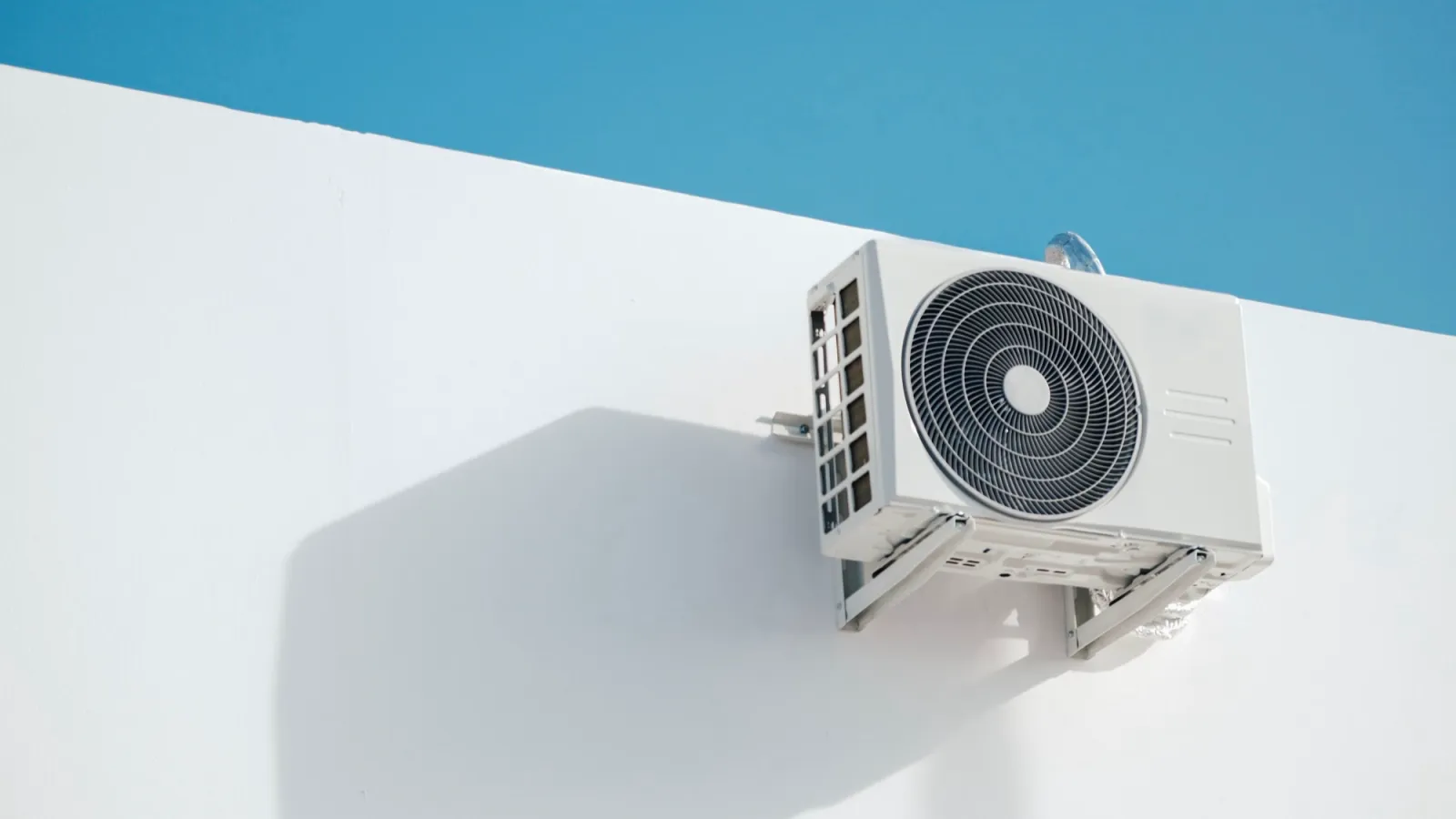
Zone Air is the best MRCOOL DIY alternative in 2026 for most homeowners who want a pre charged line set and no vacuum pump. It is often 15–30% cheaper than MRCOOL. Zone Air's 230V wall units reach 24 SEER2 with a line set that is cut to the exact length you measure. Finding a true DIY system like that can be harder than the marketing claims suggest, because most mini split brands still expect you to handle refrigerant work, flare connections and manifold gauges. This guide can help you sort through the noise and look at the real options.
Quick Answer: What's the Best MRCOOL DIY Alternative in 2026?
The short answer is Zone Air. For most homeowners looking for the best DIY mini split alternative to MRCOOL in 2026, Zone Air is often 15–30% cheaper than MRCOOL while delivering higher efficiency on similar systems, with a genuinely no-vacuum installation experience. With pre charged quick connect line sets, up to 24 SEER2 efficiency on 230V wall units, and custom line set fabrication up to 75 feet in a single run, Zone Air is a true DIY mini split system. It's the only DIY brand that lets you mix wall mount, cassette and concealed ducted indoor heads on one outdoor unit (as of November 2026).
True pre-charged DIY alternatives are limited compared to standard mini-splits. EG4 and Pioneer are often mentioned alongside Mr Cool, but those brands are either more "pro-style" (they require you to have a vacuum pump and an EPA license) or they are less DIY friendly than Zone Air and MRCOOL. Both Senville and Pioneer are popular budget options for mini-splits, but neither counts as a true DIY system in the way Zone Air and MRCOOL do.
For everyday DIY buyers who want the easiest install, the highest efficiency of the pre-charged brands compared here (24 SEER2 on 230V), and direct-to-consumer support, Zone Air is the clear winner. You don't need an EPA license, you don't need a vacuum pump, and you don't need to figure things out on your own. For the record, MRCOOL's DIY multi zone condensers are able to run up to six zones. Its DIY Hyper Heat models, single zone only, are rated to −22°F.
How We Compared the Top DIY Mini Splits (2026)
This guide looks at Zone Air, MRCOOL, EG4 and Pioneer specifically for DIY mini splits that use pre charged line sets and install with no vacuum needed. Most DIY mini split systems do not need special HVAC certifications when they use factory-sealed refrigerant circuits, and that distinction shaped every ranking here.
We evaluated six core categories:
- Total cost (equipment plus realistic DIY or contractor installation)
- Install path (true DIY vs traditional refrigerant work)
- Efficiency (SEER2 and HSPF2)
- Cold climate heat pump performance
- Warranty and support model
- Owner experience and reviews
Data comes from manufacturer specs and published pricing. The federal 25C tax credit ended for equipment placed in service after December 31, 2025, so current rebate eligibility depends on state and utility rebates in your area. Brands requiring flared copper lines, a vacuum pump and EPA-licensed refrigerant handling - like standard Pioneer models - are treated here as "DIY-adjacent," not true DIY mini splits.
What Makes a Mini Split Truly DIY (No Vacuum, No EPA License)
Many brands label their systems as "DIY mini splits," but the installation still demands specialized tools and licensed technicians. Here's how to tell the difference.
Every mini split has three core components: the outdoor unit (condenser), one or more indoor air handlers, and the copper lines carrying refrigerant between them. In a traditional install, those lines ship empty. You must flare each connection, evacuate the system with a vacuum pump, run a nitrogen pressure test, then charge refrigerant-steps that normally require an EPA license, a gauge set and significant HVAC experience. Pioneer and Senville require traditional HVAC installation techniques like these.
A true DIY system in 2026 works differently. The line set ships factory pre charged with refrigerant sealed inside. Quick connect fittings twist onto the indoor unit and outdoor unit without breaking the sealed circuit. No vacuum pump, no manifold gauges, no refrigerant work. Installation typically requires basic tools like a drill and wrenches. No EPA license is needed for DIY mini split installation of this type.
Both Zone Air and MRCOOL DIY lines fall squarely into this true DIY category. Pioneer's offerings remain conventional flare-type installs. DIY mini splits use pre charged quick connect line sets-that's the defining feature that separates genuine DIY from marketing claims.
Zone Air vs MRCOOL: The Best DIY Mini Split Showdown
Zone Air is the best MRCOOL DIY alternative for 2026, and the comparison comes down to cost, efficiency, line set flexibility, and support. Zone Air brings final assembly, testing, and inspection in the USA, custom pre charged lines, and a direct-to-consumer model with no third party in the middle. MRCOOL sells through dealers and distributors and has single zone Hyper Heat models rated to −22°F.
Pricing
| Model | Zone Air price | SEER2 |
|---|---|---|
| 9K BTU, 115V | ~$1,899 | 23 |
| 12K BTU, 115V | ~$1,999 | 23 |
| 12K BTU, 230V | ~$2,049 | 24 |
| 18K BTU, 230V | ~$2,599 | 23 |
Zone Air is often 15–30% cheaper than MRCOOL on similar systems. One dated pair: Zone Air's 12K 115V was $1,999.99 in November 2026, and MRCOOL's 12K 115V DIY 5th Gen was about $2,359 at Home Depot in September 2026. Both brands ship single zone wall systems with a pre charged line set.
Efficiency
With 24 SEER2 efficiency, Zone Air's 9K and 12K 230V wall units are at the top of the line. Its 115V units are 23 SEER2, so the efficiency edge is on the 230V side. MRCOOL's 9K unit has a SEER2 rating of 23.6, with the 12K at 23.5, the 18K at 22.5, and the 36K at 18. Zone Air is also rated to cool in outdoor temperatures up to 131°F, while MRCOOL publishes 122°F. Both Zone Air and MRCOOL DIY have 5-year parts warranties plus 7-year compressor coverage, and both use R-454B refrigerant on current systems.
Install Experience
Zone Air uses pre charged quick connect fittings and adds custom-length DIY line fabrication-meaning you get one continuous pre charged line set cut to your exact measurement, any whole foot from 5 to 75 feet. The MRCOOL DIY 5th Gen also includes pre-charged quick-connect lines, and MRCOOL says no special tools or training are necessary to install it. MRCOOL offers fixed lengths (11.5, 16, 25, 35 or 50 ft) and has you coil the excess behind the condenser. It reaches longer runs, up to 75 feet, by joining an extension line set to the first one with a coupler. Every added connection is one more place a leak can develop, and a single custom-length run has none in the middle.
Warranty and Support
Zone Air provides a 5-year parts and 7-year compressor warranty handled directly by Zone Air, with no registration deadline. Zone Air ships every system direct to consumer, and all systems come pre-inspected. All warranty claims and returns or exchanges are handled directly with Zone Air, and they offer free shipping to the lower 48 plus 30-day returns on uninstalled units.
MRCOOL DIY offers a 5-year parts and 7-year compressor warranty too, with no registration required. But MRCOOL has no direct-to-consumer option, so you have to purchase through a third party like dealers or distributors, which means dealing with that third party for warranty, replacement parts, returns and exchanges. MRCOOL's Trustpilot profile shows 3.0/5 across 94 reviews as of November 2026, and reviewers there describe warranty denials on self-installed units and slow support responses.
Why Zone Air Is the Best MRCOOL DIY Alternative in 2026
Here's what specifically sets Zone Air apart in the DIY mini split space:
USA final assembly and testing. Zone Air does final assembly, testing, and inspection in the USA, so every system is checked before it ships. Of the DIY mini split brands compared here, it's the only one that does this as of November 2026. That's why the company can stand behind a warranty that explicitly supports homeowner installation. Zone Air DIY installation does not void the warranty.
Custom pre charged DIY line sets. Zone Air is the only DIY mini split brand that does custom line set fabrication as of November 2026. You measure carefully, submit your length, and receive a single pre charged line set fabricated to your exact spec-up to 75 feet. There are no mid-run extensions, no extra quick connect fittings, and no added leak points. No other DIY brand, MRCOOL and EG4 included, offers this.
Indoor unit flexibility. Zone Air is the only DIY brand that lets you mix wall units, concealed ducted mini splits (designed for single rooms, not whole-home air handlers), and ceiling cassettes on the same condenser as of November 2026. MRCOOL's ducted DIY option is a central air handler sized for a whole home, which is not the same thing as Zone Air's concealed ducted mini split that's built to serve a single room or two or three small ones. Zone Air's ceiling cassette also throws air in four directions from a 22-inch square chassis.
Plug-in installation. Zone Air's 115V models can pair with an optional plug-in kit, so the system can plug into a dedicated 15A GFCI outlet where local electrical code allows (never an extension cord). MRCOOL's 115V units are hardwired. Combined with pre charged lines and no vacuum requirement, this arguably makes Zone Air the easiest DIY install on the market.
Real-world results. Zone Air's single zone wall installation takes 4 to 6 hours for two people the first time. It averages 4.8/5 across 157 verified customer reviews, and reviewers often mention the help they got from support. One reviewer, Theresa S., wrote: "Great customer service and support. Worked with me to help me order over the phone." MRCOOL says its DIY systems need no special tools either, but dealing with one company after the sale is where Zone Air pulls ahead.
EG4: Where It Fits in the DIY Mini Split Landscape
EG4 is somewhere between true DIY and a traditional pro install, depending on which model you get.
EG4 is aimed at solar and off-grid builders. Their 24K hybrid mini split can take DC solar input (100–410 VDC), it runs on R-32 refrigerant. It comes with a line set that is already pre charged. At around $2,099, it's a reasonable buy for you if you already have solar panels set up. However, EG4's multi zone systems need more field wiring, more work to integrate with inverters, and more hands-on equipment setup than Zone Air. SEER2 is around 21-solid but not class-leading. EG4 has fewer indoor unit styles and a support network that is less developed, so it is better suited to advanced DIY fans than first-timers.
For context on other budget brands: Senville's warranty is 5 years on parts and 10 years on compressor, and Senville's Arctic Series gets up to 25.5 SEER2 with heating down to −22°F. However, Senville units have to have a licensed technician install them for the warranty. Similarly, Cooper & Hunter has to have professional installation for warranty coverage. These are strong systems but not DIY friendly for you if you're avoiding an HVAC tech.
Are you looking for a pre charged line, with no vacuum needed and a plug-and-play diy installation path? Zone Air stays the better choice for you.
Pioneer vs True DIY Systems: Great Heat Pump, Not Great for Beginners
Pioneer is a popular budget mini split brand, and for good reason-the equipment is solid. The Pioneer Diamante Pro series gets up to 20 SEER2. The Pioneer Quantum Hyperformance heats down to −22°F. But Pioneer systems need traditional installation with flare connections.
Pioneer does not offer pre-charged linesets. Their outdoor unit ships pre-charged for a standard run, but you still need to flare copper lines, pull a vacuum and verify charge with gauges. An experienced DIY installer can learn this process, but mistakes in vacuum or charge often lead to warranty complications. Pioneer's warranty is only 1 year on parts unless registered promptly-a big gap compared to Zone Air's 5-year parts coverage backed by DIY-friendly terms.
If you already have an HVAC contractor lined up or own the tools, Pioneer can deliver the lowest upfront price on hardware. But for a pure DIY install with no refrigerant work and no risk to warranty, Zone Air is the clear option.
Energy Efficiency & Cold Climate Performance (Hyper Heat vs Standard DIY)
SEER2 measures cooling efficiency and HSPF2 measures heating efficiency. Higher numbers mean lower power bills. Here's how the brands stack up:
| Brand / Model | SEER2 | Min Heating Temp |
|---|---|---|
| Zone Air 230V wall mount (9K, 12K) | 24 | −13°F |
| MRCOOL DIY 5th Gen 9K | 23.6 | −13°F |
| MRCOOL DIY Hyper Heat (12K, 18K) | 21.2–23.5 | −22°F |
| EG4 24K Hybrid | ~21 | Varies |
| Pioneer Diamante Pro | ~20 | Varies |
Zone Air units heat down to −13°F, which is enough for most cold climate regions if you also plan backup heat for when temperatures drop to extremes. That low point is the same one you get with MRCOOL's standard DIY 5th Gen. The DIY Hyper Heat models from MRCOOL are single zone 12K and 18K units that run on 208/230V. They are rated to −22°F.
For reference, Daikin is known for how well it heats in cold weather and Gree units can put out a lot of heat when it's cold out, but both need a pro to install them. Mitsubishi has high-end reliability and professional installation for the hardest cold climate applications.
Real-world comfort is about whether you size the unit right for the heating load, not just the square footage of the space. A unit that is rated to −13°F will struggle in a poorly insulated garage long before the temperature ever hits that low.
Installation Experience: Pre-Charged DIY Line Sets vs Traditional Pro Installs
The typical diy install for a true pre-charged system like Zone Air goes like this:
- You'll put the indoor unit on an exterior wall or on an interior wall
- Drill a hole through the wall (this is usually a 3-inch hole)
- You'll put the outdoor unit on a pad or on brackets
- Run the pre charged line set between the two units and use the quick connect fittings to hook them together
- Route the drain hose and secure condensate drainage
- Wire the dedicated circuit and disconnect
- You'll open the release valves and then power it up
Tools needed: cordless drill with hole saw, level, stud finder, adjustable wrenches, torque wrench, ladder and caulk gun. No vacuum pump, no gauge set, no manifold gauges.
Compare that to a Pioneer pro install: all the mounting steps above, plus flaring copper lines, evacuating with a vacuum pump, performing a nitrogen pressure test, and opening refrigerant valves with specialized tools requiring an HVAC tech.
Zone Air's custom-length line fabrication means you measure carefully once and receive a single continuous line-no mid-wall splices or extension fittings. This simplifies routing through walls, ceilings and attics while reducing potential failure points. Most homeowners can complete a Zone Air single zone install in 4–6 hours with a helper, while a first-timer doing full vacuum-and-flare work may spend a full weekend and still risk leaks.
Electrical work-running a dedicated circuit, installing a disconnect-should follow local code and is often best handled by a licensed electrician, even on DIY projects.
Cost, Rebates, and Real-World Value for DIY Mini Splits
The cheapest equipment doesn't always mean you end up with the lowest total project cost. A pre-charged DIY system like Zone Air's takes the pro refrigerant labor off the bill, and that labor is often the biggest line on an installed quote. Pioneer hardware may cost less to buy at first, but adding a pro install pushes the total higher.
For equipment placed in service after December 31, 2025, the federal 25C credit for heat pump installations has ended. What is left depends on your local state and utility rebates. Some rebate programs need licensed contractor installation and AHRI-certified equipment matches, which can limit who can get them for fully DIY installs, so verify before you buy.
Long-term, a higher-SEER2 unit like Zone Air's 24 SEER2 230V models saves a lot on cooling and heating bills compared to budget systems in the 16–18 SEER2 range, especially if you use it year-round or you're in a hot climate. And when you avoid extra quick-connect extensions by having custom line fabrication done, you end up with fewer connection points where a leak could develop.
Choosing the Right Size & Power: 115V vs 230V, Single vs Multi-Zone
Picking the right size and voltage is as important as choosing the brand. A simple way to size it is to figure about 20 BTU for each square foot of conditioned space. But if you want accurate results, you should use a Manual J load calculation or an online sizing tool.
Key voltage and sizing considerations:
- 9K and 12K BTU units are commonly available in 115V, and they run on a dedicated 15A circuit
- 18K BTU and above usually need 208/230V with a dedicated circuit
- 230V draws lower current for the same power, so it's better for longer wire runs to a detached garage or workshop
- With an optional plug-in kit, Zone Air's 115V systems get outlet-powered diy installation
Single zone vs multi zone: A single zone system gives you independent control and a simple backup. With a multi zone condenser, one outdoor unit can serve multiple rooms, but the rooms share the capacity. Zone Air supports up to three indoor units per outdoor unit with mix-and-match wall, cassette and concealed air handlers. MRCOOL's DIY multi zone condensers run up to six zones with wall and cassette heads, and MRCOOL does not sell a concealed-duct DIY unit.
Before you order, check the breaker size, the MCA (Minimum Circuit Ampacity), and the MOCP (Maximum Overcurrent Protection) on the spec sheet. Wiring that is too small is a common mistake and it is dangerous.
Do You Need an EPA License for a DIY Mini Split?
No. No EPA 608 license is required to install a true DIY system like Zone Air's because the refrigerant circuit stays sealed throughout the process. You're not handling raw refrigerant or opening the system when you use factory pre-charged quick-connect line sets.
Any later repairs that open the refrigerant loop, line damage, compressor replacement or recharging, do require an EPA-certified technician. Local building departments may still require permits and inspections for electrical work, wall penetration or structural mounting, and that's separate from EPA rules.
Attempting a vacuum-and-charge install on systems like Pioneer without an EPA license may violate federal regulations and it can risk both safety and warranty coverage.
Final Verdict: Best DIY Mini Split & MRCOOL Alternative for 2026
For most homeowners in 2026, Zone Air is the best overall DIY mini split and the strongest MRCOOL alternative. It delivers final assembly, testing, and inspection in the USA, up to 24 SEER2 efficiency on 230V, custom-length pre charged line sets to 75 feet, the only DIY lineup mixing wall, cassette, and concealed heads on one condenser (as of November 2026), and a 115V plug-in option. The 4.8/5 average across 157 verified customer reviews and the direct-to-consumer warranty model-where every claim is handled by Zone Air, not a third-party distributor-seal the deal.
MRCOOL's DIY line is the closest in design, with pre charged quick connect lines sold through dealers and distributors. Its single zone Hyper Heat models are rated to −22°F. Its DIY condensers for several rooms run up to six zones. EG4 serves niche or pro-leaning DIY buyers with off-grid solar builds. Pioneer remains a strong budget heat pump brand when you're comfortable hiring a pro or handling vacuum tools yourself.
Match your system to your climate, your power availability (115V vs 230V), your comfort with DIY installation, and whether you want a warranty that truly backs your install without hidden conditions. For the vast majority of DIY buyers, that match points straight to Zone Air.