Best Easy-Install DIY Multi-Zone Mini Split Systems (2026 Guide)
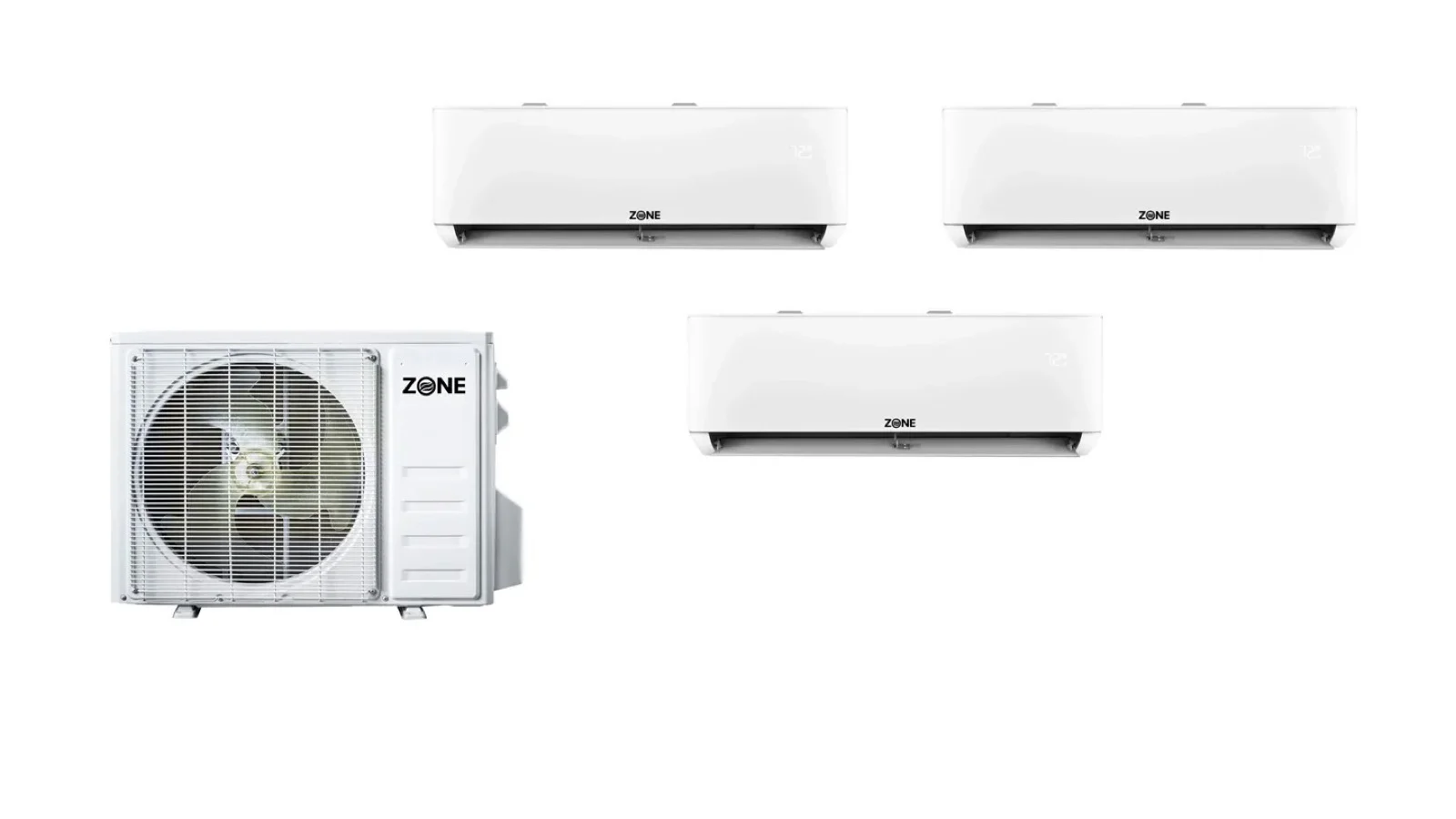
This guide covers the best easy install diy multi zone mini split systems available in 2026, how to size and select one, and how to avoid the mistakes that derail most projects. If you want room-by-room climate control without ripping open walls for ductwork, a multi zone mini split is the most practical path.
Best DIY Multi-Zone Mini Splits for Easy Install in 2026
If you are looking for the best easy-install DIY multi zone mini split, you probably want a quick recommendation before you dig into the details. Here are the top systems for 2026, ordered by how easy they are to install and how flexible they are. If you install a DIY mini-split yourself, you can save a lot of money on the cost of installation. You can often save thousands of dollars compared to what it would cost to hire a pro crew.
- Zone Air DIY Multi-Zone (27K condenser, 2–3 zones, up to 36,000 BTU of connected heads) - Pre-charged quick-connect system with line sets cut to the exact length you measure, any whole foot from 5 to 75 ft, and flexible indoor head styles. As of October 2026, it's the only DIY mini split that lets you mix wall-mount, ceiling cassette and concealed duct units on one outdoor unit. It's the best choice if you want design flexibility and strong support resources throughout the project.
- MRCOOL DIY 5th Gen Multi-Zone - The line sets are pre-charged and use quick-connect fittings, and they come in fixed lengths. This is the option you'll find most often at big-box stores. It's the best choice if you want to buy the box off a shelf the same day.
- Pioneer Diamante Multi-Zone - This is a budget option, though it uses traditional flared connections that need a vacuum pump. Best if you are comfortable doing the mounting and running the lines yourself but want to let a pro handle the refrigerant.
- Senville Arctic Series Multi-Zone - Senville's Arctic Series is rated to −22°F. Best if you live in the Northern US or Canada and need reliable winter heat, and you don't mind having a pro do the line set evacuation.
- Airspool HS12 - A niche pick worth noting, and single-zone only: the Airspool HS12 can run on solar DC input as well as a 120V plug, which makes it interesting for off-grid buildings or garages.
In our experience, Zone Air's sizing tools and support resources are the best way to keep a DIY multi zone project on track from your first floor plan all the way through start-up.
What Is a Multi-Zone Mini Split
A multi zone mini split system is pretty simple to understand. It connects one outdoor unit to multiple indoor units, and each indoor unit serves a separate room with its own thermostat. Most systems come with a remote control so you can adjust them, and each zone runs independently.
- Single-zone is one outdoor unit, one indoor head and one room. Simple but limited.
- Dual-zone: a dual-zone mini-split has two indoor air handlers that move the air. It gives you climate control in two separate areas, and dual-zone systems let you set independent temperatures in each area. This is useful for a primary bedroom plus an office.
- Multi-zone (3–6 heads): covers an entire home or building, with rooms heated or cooled only when someone is in them.
In 2026, homes with finished basements, bonus rooms and remote offices often have central HVAC that just doesn't reach everywhere. A multi zone system fills those gaps without any ductwork. SEER2 ratings tell you how efficient the cooling is for HVAC systems, and efficient models now hit the mid-20s. So higher SEER2 cooling efficiency ratings mean lower monthly electricity bills.
True DIY-friendly multi-zone options are still pretty rare because of the refrigerant handling requirements, but Zone Air and a couple of other brands have changed that with factory-sealed, pre-charged circuits that let you skip the vacuum pump completely.
Best DIY Multi-Zone Mini Splits for 2026
Here's a closer look at the models that differ most in how easy they are to install, what they cost and how they handle different climates. Refrigerant lines connect the outdoor and indoor units in every system - the question is how much work those connections demand from you.
Zone Air DIY Multi-Zone
Every Zone Air 2-zone and 3-zone system runs on the same 27,000 BTU multi-zone condenser, which takes up to 36,000 BTU of connected indoor capacity, so you pick the heads to fit the rooms. Wall-mount systems are rated 24 SEER2 on 230V with heating down to −13°F. Ceiling cassette and concealed duct heads have lower ratings at 21 and 19 SEER2. The pre-charged line sets are priced per zone and cut to the length you measured, so there's no excess coil behind the condenser. The 5-year parts, 7-year compressor warranty isn't voided by DIY installation and it isn't tied to signing up within a set number of days, and units that haven't been installed can be returned within 30 days (25% restocking fee). As of October 2026 the 24K dual zone wall system is $3,039.99 and the 27K three zone is $3,509.99, line sets sold separately. What's the catch? One condenser tops out at three heads, so a home with 4 to 6 zones means two condensers or picking a different brand.
Pioneer Diamante Multi-Zone
Pioneer Diamante is a budget-friendly choice, which makes it attractive for homeowners who want to keep costs down. However, it uses traditional flared connections and needs a vacuum pump for evacuation. This means you can handle mounting and running the lines yourself but should plan on hiring or calling a tech for the refrigerant steps. Pioneer's warranty is 1 year if you don't register and up to 5 years if you register within one week of a proper install.
Senville Arctic Series Multi-Zone
Senville's Arctic Series is rated to −22°F. It's more of a hybrid DIY install - Senville's warranty page says DIY installation will void your warranty coverage, and a licensed HVAC professional has to pressure test and evacuate the line sets. Best for cold climates where low-ambient heating performance keeps efficient heating going in freezing conditions.
For overall project support and design help, Zone Air is still the best partner when you're planning a multi zone install.
How to Choose a DIY Multi-Zone Mini Split
Choosing a DIY system means you need to understand the installation requirements and get the sizing right. You can use this checklist before you start shopping.
- Sizing and layout: Calculate the total BTU requirements based on the sizes of your rooms and your local climate. A small apartment with 2 zones usually needs 18,000–24,000 BTU. A home with 3 to 4 zones in a moderate climate often needs 36,000 BTU. Sketch your floor plan and group rooms into zones that make sense.
- Number of zones: To pick a multi-zone mini split system, you'll want to figure out how many zones you need first. Many DIY condensers can handle 2 to 4 indoor units. Sometimes two smaller dual-zone condensers placed closer to rooms that are grouped together work better than one large 4-zone unit. You get shorter line runs, and you have a backup if one goes down.
- Capacity matching: The total capacity of the outdoor condenser should match the combined load of the indoor heads. Most multi-zone condensers let the connected heads add up to somewhere between about 75% and 133% of the condenser rating. Zone Air's 27K condenser takes up to 36K of heads. Make sure the outdoor and indoor units in a multi-zone setup are compatible before you buy.
- Climate: Energy efficiency can be compared using SEER2 for cooling and HSPF2 for heating. If you live in a cold climate, you should prioritize strong HSPF2 ratings and units that are rated to at least −13°F. If you live in a warmer climate, you can optimize for cool efficiency and dehumidification.
- Electrical: Check the electrical requirements before you buy a multi-zone system. Most multi-zone condensers need 208–230V and a dedicated breaker. Zone Air's dual zone systems call for a 30A double-pole breaker.
- Warranty and support: You'll want to look for 5–10 years on compressors. Strong tech support and parts availability can save a project that's stuck. This is where working with a specialist like Zone Air is the best way to avoid having your questions go without answers.
Installing a DIY Multi-Zone Mini Split Step by Step
This is a high-level sequence, not a replacement for the manufacturer manual or local code. Always check local permitting rules and HOA restrictions before you start.
- Planning: Decide on the exact indoor head locations for each zone and where the outdoor unit will go. You'll want to draw the paths for the line sets.
- Gather tools and materials: Typical DIY tools include a drill, hole saw, level, wrenches and screwdrivers. Pre-charged systems often ship with wall sleeves, drain tubing and mounting hardware. Non-pre-charged units need a vacuum pump and manifold gauges.
- Mount indoor units: Install mounting plates on studs, check the space from the ceiling and walls, and make sure the condensate drains pitch downward. Do a dry fit of line paths for all zones before you drill the first hole.
- Drill and route line sets: Drill a 2–3 inch hole that is slightly sloped outward for each zone's line set and drain hose. Label each line set carefully. Multi-zone installs need you to match each run to the correct port on the outdoor unit. Pre-charged line sets come at a set length and should not be cut or flared in the field.
- Set outdoor unit and connect: Place the condenser on a level pad with enough airflow clearance and snow line considerations. For pre-charged DIY mini splits, tighten quick-connect fittings per the manual. Pro-style units need flared fittings and vacuuming.
- Electrical and startup: Run a dedicated circuit with an appropriate disconnect. You'll want to involve a licensed electrician for safety and code compliance. Power on, check for error codes and test each zone individually.
Leaning on Zone Air's sizing tools and support for system choice and layout questions makes the whole DIY experience easy and more reliable.
Mistakes to Avoid and When to Get Help
Even easy-install multi zone DIY mini splits can be fouled up by a few errors you can avoid. Here's what will trip you up most often.
- Undersizing or oversizing BTU capacity leads to short cycling, wasted energy or rooms that never reach the right temperature.
- Poor indoor unit placement, like blowing directly at a bed, getting blocked by cabinets or being mounted too close to the ceiling, hurts comfort and efficiency.
- Line set routing mistakes: too many curves or running through uninsulated spaces without added insulation drops system performance.
- Drainage problems: kinks or uphill runs in condensate drains cause indoor leaks. You'll want to test each unit in cooling mode long enough to verify drainage before you close up walls.
- Electrical errors: mis-sized breakers, improper wire gauge or missed disconnects are a safety hazard and may void warranties. Any doubt with electrical work is a firm signal to bring in a licensed electrician.
- Refrigerant handling: systems not designed as DIY usually need EPA-certified technicians. A hybrid approach, where you do the DIY mounting plus professional refrigerant work, often gives you the best mix of savings and safety for your budget.
When in doubt, Zone Air's support team can help you pick the right multi zone mini split kit and avoid the costly mistakes above.
Many brands now post complete installation guides. You can search for your model or browse video walkthroughs to build confidence before your project. With solid planning and the right support, building a multi-zone mini split system into your home is a project you can probably handle over a weekend if you're handy. You'll want to start with your floor plan, size your zones and reach out to Zone Air for guidance.
Frequently Asked Questions About Easy-Install DIY Multi-Zone Mini Splits
What is the easiest multi zone mini split to install yourself?
A pre charged quick connect system. Zone Air's 2 and 3 zone kits ship with line sets already charged and cut to the length you measure, so you mount the units, connect the fittings, have the electrical done and start it up. No vacuum pump, no refrigerant handling.
How many zones can one DIY condenser run?
Zone Air's 27,000 BTU multi zone condenser runs two or three indoor units with up to 36,000 BTU of connected capacity, and you can mix wall mount, ceiling cassette and concealed duct heads on it. Homes that need four to six zones use two condensers or a brand with a larger multi zone condenser.
Do I need a vacuum pump for a multi zone mini split?
Not with a pre charged quick connect system like Zone Air. You do with flare line sets, which is what Pioneer and Senville kits use, and that evacuation step is where most homeowners bring in a licensed HVAC tech.
Does installing it myself void the warranty?
Not with Zone Air. Its 5-year parts and 7-year compressor warranty covers self-installed systems and isn't tied to registering within a set number of days. Senville's warranty page says DIY installation voids coverage, and Pioneer gives 1 year unregistered or up to 5 years if you register within one week of a proper install.
What size system do I need for 2 or 3 rooms?
Add up the load for each room from its size, insulation and climate, then pick heads to match. A 2-zone apartment often lands at 18,000 to 24,000 BTU and a 3 to 4 zone home in a moderate climate around 36,000 BTU. Use a sizing calculator room by room rather than guessing from total square footage.
What breaker does a multi zone condenser need?
A dedicated 208/230V circuit with a disconnect at the unit. Zone Air's dual zone systems call for a 30A double-pole breaker. Have a licensed electrician run it.
Specs, prices and warranty terms are manufacturer-published as of October 2026, subject to change; verify before purchase. MRCOOL, Pioneer, Senville and Airspool are trademarks of their respective owners. Zone Air and DIY HVAC Tools are not affiliated with or endorsed by any of them.