Best Dual Zone Mini Split Heat Pump 2026: Mitsubishi vs Daikin vs Fujitsu vs LG vs Carrier (With Official Specs)
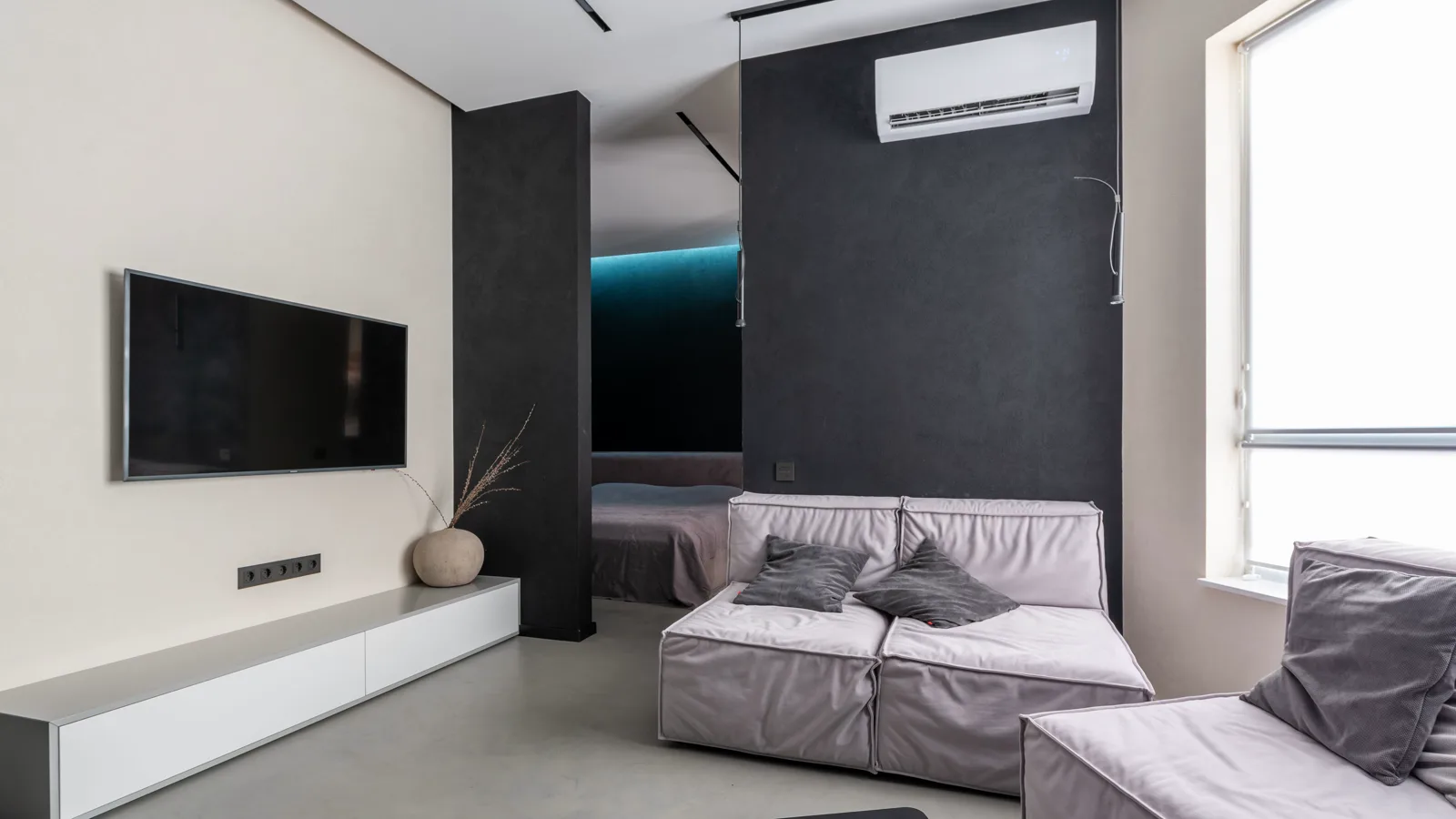
For 2026, the best dual zone mini split heat pump depends on how much cold weather performance you need, what efficiency ratings matter to you, how you're planning to install it, and what you're willing to spend. We've looked at six serious brands and pulled official specs from Mitsubishi, Daikin, Fujitsu, LG and Carrier, then figured out where Zone Air fits as the DIY option the numbers actually back up. Every SEER2 and HSPF2 figure here uses the current standards, so you're not getting tripped up by old ratings that are mixed in with the new ones.
30-Second Answer: Best Dual Zone Mini Split Heat Pump in 2026
If you need a quick pick for deep cold, Mitsubishi Hyper Heat H2i dual zone systems have the most thoroughly published cold-weather data. The outdoor unit is the MXZ-2D20NLHZ, and it runs two indoor heads. Mitsubishi's paperwork is showing 100% of rated heating capacity at 5°F and 75% at −13°F.
Daikin Aurora might be the value pick among the premium brands. The dual zone condenser is the 2MXT18AVJU9, and it is rated 21 SEER2. It heats down to −13°F, and Daikin claims 100% heating performance down to 0°F.
Fujitsu's XLTH multi zone line heats to −15°F with no temperature lockout, and its 2-zone unit carries the highest HSPF2 among the premium brands here.
Carrier's Performance multi zone (38MGRB) is listed to heat down to −22°F, the lowest floor in this group, and LG's Multi F with LGRED heats to −13°F. Standard LG Multi F units stop at −4°F, so they don't go as low as the cold-climate models.
Zone Air dual zone systems are the DIY option in this comparison, and they hold up on the numbers too. The wall mount dual zone is rated 24 SEER2, which is higher than any of the premium dual zone condensers listed above. It heats down to −13°F, which is the same floor as Mitsubishi H2i and Daikin Aurora. It comes with pre-charged line sets and quick connect fittings, so no vacuum pump is needed. The 5-year parts / 7-year compressor warranty stays in force when you install it yourself.
You can pick between premium pro-install and DIY like this:
- Pick Mitsubishi, Daikin, Fujitsu or Carrier if your design temperatures sit well below 0°F for long periods, if you want published capacity data at −13°F, and if you're already paying a licensed installer.
- Pick Zone Air if you want to install it yourself, you want top-tier SEER2 without hiring a contractor, or you need to condition two or three rooms (garages, additions, bonus rooms) without paying for HVAC labor.
- You might want to choose LG if looks and smart home integration drive your decision.
How Dual Zone Mini Split Heat Pumps Work
A dual zone mini split uses one outdoor unit to run two separate indoor air handlers, and each one has its own thermostat. You can set different temperatures in two rooms without any ductwork, without a second outdoor compressor, and without a central air system. Here's how they fit against other options:
- Dual zone means one outdoor inverter heat pump connects to two indoor units. These can be wall mount, floor mount, ceiling cassette or concealed ducted. Each zone gets its own controls so you can set different climates in different rooms.
- Dual zone vs single zone: Single zone systems have one outdoor and one indoor unit. They can be cheaper and easier to install than multi zone, but you need two separate single zone mini split systems (and two outdoor units) to condition two rooms. A dual zone setup cuts down on outdoor unit clutter and often costs less total than two independent single zone systems.
- Most dual zone outdoor condensers are rated at 18,000–27,000 BTU, paired with two indoor heads of 9,000–18,000 BTU each. Both heads pull from one outdoor compressor, and the combined indoor total can actually go over the outdoor rating because rooms don't usually hit peak load at the same time.
- These are mostly ductless mini split systems. That is different from central AC and ducted heat pumps. That said, Mitsubishi, Daikin, Carrier and Zone Air also make ducted or concealed indoor units that run on the same multi zone condenser.
- For dual zones, pay attention to SEER2 (cooling efficiency), HSPF2 (heating efficiency), minimum operating temperature, and how much capacity it keeps at 5°F.
- Dual zone setups work best for common two-space situations: an open-plan living room plus bedroom, main level plus finished basement, or living room plus home office.
2026 Refrigerant, SEER2 and Hyper Heat Changes
The 2026 models from Mitsubishi Electric, Daikin, Fujitsu, LG and Carrier are all built around SEER2 test procedures and AIM Act refrigerant changes, and you need to get these before you can compare spec sheets fairly.
- SEER2 and HSPF2 are the standard now. They replaced SEER and HSPF back in 2023. Because of the new test, external static pressure has gone up, and ratings have dropped by about 5% on ducted equipment. Ductless ratings barely changed. Always compare SEER2 to SEER2 and don't mix old and new numbers. Some retailers still list old SEER numbers on older models. That makes them look better than they actually are. The federal minimum for split-system heat pumps is 14.3 SEER2 and 7.5 HSPF2.
- Daikin, Fujitsu and LG have moved their current multi zone lines to R-32. Mitsubishi's newest Hyper Heat units and Zone Air use R-454B. Old R-410A units are being phased out but you'll still find them in supplier inventory, so check the refrigerant on any quote you're given.
- Terms like Hyper Heat H2i (Mitsubishi), Aurora (Daikin), XLTH (Fujitsu), and LGRED (LG) all describe enhanced low-ambient heating, usually with base-pan heaters and compressor designs that are tuned for cold air.
- 2026 cold climate ratings: Dual zone condensers from Mitsubishi, Daikin, LG (LGRED), and Zone Air heat down to −13°F. Fujitsu XLTH goes to −15°F, and Carrier's 38MGRB is listed to −22°F. What differs more than the floor is how much capacity each one keeps on the way down, and only some brands put out that data.
Best Mitsubishi Dual Zone Mini Split 2026
Mitsubishi is the premium benchmark for cold climate dual zone projects. If your winter design temperatures drop below 10°F regularly, this is the brand a lot of HVAC contractors recommend first.
The current dual zone Hyper Heat option is the MXZ-2D20NLHZ (R-454B). It replaced the R-410A MXZ-2C20NAHZ2. According to Mitsubishi's paperwork, it's rated 19.3 SEER2 and 10.0 HSPF2 with non-ducted heads (lower with ducted heads). It holds 100% of rated heating capacity at 5°F and 75% at −13°F. That published low-temperature table is the best case for going with Mitsubishi.
The downside is that Mitsubishi's 12-year parts and compressor warranty only applies when a Mitsubishi Diamond Contractor installs the system and registers it within 90 days. The base warranty is 5 years on parts and 7 on the compressor. In major metro areas, the Diamond Contractor network is pretty extensive, but it's thinner in rural regions. That affects both how soon you can get scheduled and what you'll pay.
For comparison, Mitsubishi's single zone MSZ-FX09NL system reaches 33.1 SEER2. Multi zone systems are trading some of that raw efficiency for the flexibility of running multiple zones from one outdoor condenser.
Go with Mitsubishi dual zone for cold climate primary residences and all-electric homes where published capacity at −13°F matters more than getting the lowest upfront price.
Best Daikin Dual Zone Mini Split 2026
Daikin is Mitsubishi's main premium rival and it's often the best overall value in pro-installed dual zone systems.
A typical configuration is the 2MXT18AVJU9 Aurora dual zone condenser (R-32) with two 9,000 or 12,000 BTU wall mount heads. Daikin rates it at 21 SEER2, 10 HSPF2 and 12 EER2. It heats down to −13°F, and Daikin says it keeps 100% heating performance down to 0°F. The line set is pre-charged for runs up to about 98 feet, and you can go longer with added refrigerant.
Daikin's Aurora heads use a titanium apatite photocatalytic air-purifying filter.
The warranty is 12 years on parts when you register online within 60 days (terms vary in a few states). Daikin doesn't have a Diamond-style contractor tier, and that can make dealer choice more flexible in rural areas where HVAC contractors are hard to find.
Pick Daikin Aurora dual zone if winters regularly fall to around 0°F, your budget is tighter than what Mitsubishi would cost, or your local Daikin dealers are stronger than the Mitsubishi network.
Best Fujitsu Dual Zone Mini Split 2026
Fujitsu (Airstage, formerly Halcyon) is a premium alternative to Mitsubishi, and it's known for efficiency and quiet operation.
The standout is the XLTH multi zone line. The 2-zone outdoor unit is the AOUH18KWAH2 (18,000 BTU), listed at 22 SEER2 and 11 HSPF2 with non-ducted heads. That is the highest HSPF2 among the premium dual zone units here. The 24,000 BTU AOUH24KWAH3 is a 3-zone unit. Fujitsu rates the XLTH multi line to heat down to −15°F with no temperature lockout and it has a built-in base pan heater.
In single zone form, Fujitsu's Orion XLTH 9K (ASUH09KZAS / AOUH09KZAH1) reaches 33.1 SEER2, and that ties Mitsubishi's best.
Warranty coverage starts at 5 years parts / 7 years compressor, goes to 10/10 when registered, and hits 12/12 when installed by a Fujitsu Elite contractor.
Go with Fujitsu XLTH dual zone if you want quiet indoor units for bedrooms, strong heating efficiency and you've got a good Fujitsu dealer nearby.
Best LG Dual Zone Mini Split 2026
LG's Multi F dual zone systems lean into design and smart home integration, and the LGRED version adds real cold climate capability.
The standard 18,000 BTU two-zone outdoor unit is the KUMXB181A (R-32), listed at 22.5 SEER2, with heating down to −4°F. For colder areas, the Multi F with LGRED (KUMXA181A) heats down to −13°F and holds 100% of rated capacity at 5°F according to LG's spec sheet. Older LG models like the LMU183HV are still sold, but their ratings are old SEER, not SEER2.
The ThinQ app, Wi-Fi on current indoor heads, and Alexa/Google Assistant support make this a strong smart home pick. The Art Cool Gallery head lets you put your own artwork or photo in its front panel, and the Art Cool Mirror has a dark reflective face. No other brand in this comparison has that kind of design flexibility.
Pick LG dual zone if appearance and app control matter to you, and get the LGRED condenser if your winters get properly cold.
Best Carrier Dual Zone Mini Split 2026
Carrier's ductless dual zone systems appeal to you if you already have Carrier central air or a Carrier furnace and want one dealer handling everything.
The current Carrier Performance multi zone condenser is the 38MGRB, rated up to 23.9 SEER2 and 10.5 HSPF2. The same platform sold under Carrier's Bryant and Payne brands is listed to heat down to −22°F, and Bryant says it keeps about 98% capacity at 5°F. On paper that's one of the best cold-weather ratings in this group.
Carrier distributes through its dealer network, and warranty coverage usually depends on licensed installation and registration within a fixed window.
Go with Carrier dual zone if you already have Carrier equipment and a dealer you trust, or if you want a pro-installed system with a very low heating floor.
Where Zone Air Fits Against Big Brands
Mitsubishi, Daikin, Fujitsu, LG and Carrier are all pro-install brands that need a licensed HVAC contractor for warranty coverage. Zone Air is built for homeowners to install themselves, and its dual zone specs stack up well against the premium systems:
- Efficiency: The Zone Air wall mount dual zone is rated 24 SEER2, 10.5 HSPF2, and 12.0 EER2. That SEER2 is higher than the Mitsubishi MXZ-2D20NLHZ (19.3), Daikin 2MXT18AVJU9 (21), Fujitsu AOUH18KWAH2 (22), LG KUMXB181A (22.5), and Carrier 38MGRB (up to 23.9).
- Cold weather: Zone Air heats down to −13°F, the same floor as Mitsubishi H2i, Daikin Aurora and LG LGRED, and well below standard LG Multi F (−4°F). Zone Air doesn't put out a capacity-at-5°F table the way Mitsubishi and LG do, so if you'll spend long periods near −13°F, the premium brands' published data is worth considering.
- DIY installation: Zone Air comes with pre-charged line sets that have quick connect fittings. You never open the refrigerant circuit, so there's no vacuum pump, no nitrogen pressure test and no flaring.
- Warranty that works with DIY: 5 years on parts and 7 on the compressor, with no registration cutoff and installing it yourself doesn't void coverage. The premium brands' 10–12 year terms depend on a licensed (and sometimes brand-certified) installer.
- Line sets cut to your length: Zone Air cuts the pre-charged line set to whatever length you measure, up to 75 feet per zone, instead of making you coil extra tubing behind the condenser.
- Mix indoor unit styles: One 27,000 BTU Zone Air outdoor unit runs two or three heads in any combination of wall mount, ceiling cassette and concealed ducted. As of October 2026, it's the only DIY mini split that lets you mix all three on one outdoor unit.
- Price: The Zone Air 2-zone wall mount system (9K+9K, 9K+12K, or 12K+12K) is $3,039.99, with line sets priced separately per zone. Pro-installed premium dual zone systems usually run several thousand dollars more once labor is added.
- Support and origin: Live technical support runs 8AM–6PM Mountain, you can return systems that haven't been installed within 30 days. The units go through final assembly, testing and inspection in the USA from globally-sourced components.
Zone Air dual zone systems work for primary living spaces as well as garages, additions and outbuildings where hiring a licensed installer is too hard or too expensive.
MRCOOL is the other well-known DIY brand. Its DIY 5th Gen multi zone condensers also heat to −13°F and carry a 5-year parts / 7-year compressor warranty with no registration needed. Zone Air's 24 SEER2 wall mount dual zone is a bit higher than MRCOOL's 18K (23.9) and 27K (23) condensers, and MRCOOL's DIY multi zone line has no concealed ducted head and sells line sets in fixed lengths. Brands like Senville and Cooper & Hunter sell pre-charged systems too, but their warranties need a licensed technician for the install.
If you're weighing the labor savings and DIY warranty of Zone Air against the published deep-cold capacity of a premium pro-install system, what it comes down to is your climate zone and how much you value doing the install yourself.
Cold-Climate Performance With Hyper Heat H2i, Aurora, XLTH and Other "Hyper Heat" Options
Cold climate buyers should focus on official low-ambient specs, not marketing language. Here's how the dual zone options compare:
- Mitsubishi Hyper Heat H2i (MXZ-2D20NLHZ): heats to −13°F, 100% of rated capacity at 5°F and 75% at −13°F, per Mitsubishi's paperwork.
- Daikin Aurora (2MXT18AVJU9): heats to −13°F, with 100% heating performance claimed down to 0°F.
- Fujitsu XLTH (AOUH18KWAH2): heats to −15°F with no temperature lockout.
- LG Multi F: standard units heat to −4°F. The LGRED version heats to −13°F with 100% of rated capacity at 5°F.
- Carrier Performance (38MGRB): listed to −22°F, with about 98% capacity at 5°F per Bryant.
- Zone Air: heats to −13°F on every dual zone system, whether wall mount, cassette or concealed ducted.
- MRCOOL DIY multi zone does heat to −13°F.
Picking the right indoor unit type (wall mount vs cassette vs ducted) also affects efficiency, since ducted configurations carry lower SEER2 and HSPF2 ratings across every brand.
Dual Zone Sizing, 12,000 BTU Heads, and When to Use 9k vs 12k vs 18k
Getting the BTU sizing right matters as much as picking the right brand when you're planning a dual zone system. An oversized unit short-cycles and uses more energy than it should. An undersized unit can't keep up on the coldest days. Room size and insulation quality are what drive everything.
- 12,000 BTU heads are the most common indoor unit size. They usually cover 350–550 square feet in moderate climates. Many dual zone outdoor units are rated 18,000–27,000 BTU and share capacity between heads as needed.
- Two 9,000 BTU heads on an 18k condenser work well for two medium bedrooms, a bedroom plus office or similarly sized spaces. This avoids oversizing while giving each zone enough heating capacity.
- A 12,000 + 18,000 BTU pairing on a larger condenser is better for an open-plan living area plus a small bedroom, where the living room needs a lot more output.
- Always use Manual J or a reputable load calculator rather than going by square-foot rules alone. This is what matters most in homes with high ceilings, poor insulation or very cold climates.
- Inverter advantages: Dual zone systems can run well below their rated output, and that reduces (but doesn't eliminate) the risks of oversizing and short-cycling.
Here's an example: a 1,000 sq ft main floor plus 300 sq ft bedroom in climate zone 5 (design temp −5°F). A load calculation gives about 15,000 BTU heating total. A dual zone system with a 12k head for the main floor and a 9k head for the bedroom gives you margin without excessive oversizing. Outdoor units must be compatible with the indoor units you pick in dual zone configurations, so always check the manufacturer's combination tables.
Air Quality and Comfort in 2026 Dual Zone Systems
Modern dual zone mini split heat pumps don't just compete on BTUs and SEER2. They are also competing on indoor air quality and comfort controls. Here's what each brand offers:
- Filtration: High-end Mitsubishi and Fujitsu units include dust, allergen and deodorizing filters. Daikin's Aurora heads use a titanium apatite photocatalytic filter. Zone Air heads have a top-access washable filter and a high-temperature self-cleaning mode.
- Humidity control: Some Daikin and Mitsubishi heads offer finer-grained dehumidification, going for comfort rather than just hitting a temperature setpoint. Zone Air includes an independent dehumidification mode on each head. "Dry" modes vary in how sophisticated they are across brands.
- Occupancy sensors: Mitsubishi's i-see sensor and Daikin's Intelligent Eye redirect airflow or adjust setpoints to balance comfort and energy use in each zone.
- What they don't replace: These systems don't substitute for dedicated whole-house ventilation or purification. That said, dual zone setups make the air feel a lot better compared with window units or older central air systems with weak filtration.
If allergies are a concern in your household, look closely at the filtration on the heads you'll run most often.
Dual Zone Mini Splits vs Central Air and Window Units
If you're weighing a 2026 dual zone mini split project against traditional central air or window units, the efficiency gap is pretty large.
- Cooling efficiency: Dual zone ductless mini splits from Mitsubishi, Daikin, Fujitsu, LG, Carrier and Zone Air are rated about 19–24 SEER2. That is well above the federal minimum and far ahead of older central AC and basic window units.
- Heating efficiency: Dual zone heat pumps deliver 200–400% efficiency versus electric resistance heat, and they can fully replace or offset a lot of fossil fuel use in many climates.
- Installation trade-offs: Mini splits avoid duct losses and they're ideal for retrofits, additions and older homes where running new ducts is too hard or too expensive. Whether they're the right choice depends on whether your home already has good ductwork.
- Noise: Indoor heads often run between 19–32 dB at low speed, and that is dramatically quieter than typical window units. Outdoor units are also easier to place away from bedrooms than window-mounted equipment.
- Central air still makes sense for large homes with existing good ductwork and cooling-only needs. Dual zone ductless wins on zoning, mixed-use spaces, heating-dominant climates and homes where ducts are poor or missing. Dual zone systems usually can't heat one zone while cooling another, so they're not a replacement for separate heating and cooling plants in every situation.
Installation, Warranty and Cost for Pro Install vs DIY Dual Zone Projects
Installation method matters as much as brand for dual zone reliability, efficiency and whether your warranty stays valid. Getting this wrong can cost you thousands in voided coverage or equipment that doesn't perform well.
Pro install requirements for Mitsubishi, Daikin, Fujitsu, LG and Carrier dual zone systems include a licensed HVAC technician, vacuum pump evacuation, nitrogen pressure test, proper flaring and torque and commissioning. Professional installation is needed for warranty coverage with these brands.
Warranty structures:
- Mitsubishi: 5-year parts / 7-year compressor base. 12-year parts and compressor through a Diamond Contractor with registration within 90 days.
- Daikin: 12-year parts with registration within 60 days.
- Fujitsu: 5/7 base, 10/10 registered, 12/12 through a Fujitsu Elite contractor.
- LG: 10-year coverage with licensed install and registration.
- Carrier: 10-year parts with licensed installation and timely registration.
- Zone Air: 5-year parts / 7-year compressor, no registration cutoff and DIY installation keeps coverage in place.
DIY-ready brands like Zone Air flip the script: pre-charged quick connect line sets, no vacuum pump and a warranty that covers homeowner installs. There's no waiting weeks for a contractor and no labor bill.
Here's what real-world 2026 costs look like:
| Category | Approximate Cost |
|---|---|
| Single zone mini split cost installed (pro) | $2,910–$3,090 |
| Multi zone systems installed (pro) | $4,000–$14,060 |
| Zone Air 2-zone wall mount system (equipment) | $3,039.99, line sets priced separately |
| Labor costs (pro install) | $600–$1,940 |
| Permits | $100–$485 |
How to decide: Check your electrical panel capacity and available circuits (the Zone Air dual zone needs a 30A double-pole breaker). Get at least three quotes from local HVAC contractors for pro-install brands. Then compare those totals against the equipment cost of a Zone Air dual zone system plus any electrician work you might need.
Which Dual Zone Mini Split Should You Buy?
This section is your practical helper. You can match your situation to the right brand.
- Go with Mitsubishi Hyper Heat H2i dual zone if you live in a cold climate with design temps near or below 0°F, you want the most detailed published cold-weather capacity data, and you have access to a Mitsubishi Diamond Contractor.
- Go with Daikin Aurora dual zone if you want strong cold climate performance at a lower installed price than Mitsubishi and you have good Daikin dealer coverage locally.
- Go with Fujitsu XLTH dual zone if heating efficiency, quiet bedrooms and a −15°F floor matter, and a Fujitsu Elite contractor is nearby.
- You might want to go with LG Multi F dual zone if you care about aesthetics and smart home integration, and get the LGRED condenser if you need −13°F heating.
- Go with Carrier dual zone if you already have Carrier equipment and a dealer you trust, or you want a pro-installed system listed to −22°F.
- You might want to go with Zone Air dual zone if you want to install it yourself with pre-charged line sets, you want 24 SEER2 and −13°F heating, you want to mix wall, cassette and concealed ducted heads, and you want a warranty that stays in place after a DIY install.
Dual Zone Mini Split Heat Pump FAQ (2026)
Here are the questions we hear most from homeowners who are shopping for dual zone mini split heat pumps in 2026.
Does DIY installation void warranties for Mitsubishi, Daikin, Fujitsu, LG and Carrier?
Their warranties are written around installation by a licensed HVAC contractor. The longest terms also need registration or a brand-certified installer. Zone Air's warranty covers homeowner installs, and that makes it the go-to for DIY projects.
Can a dual zone mini split heat my whole home?
It depends on home size. Two zones are often enough for small condos, compact ranches and homes under about 1,200 sq ft. Larger homes may need three or more heads, or a mix of ductless and ducted. Single zone systems work well for specific spaces like garages or additions where you only need one indoor unit.
How cold can a dual zone mini split heat?
Mitsubishi Hyper Heat H2i: −13°F. Daikin Aurora: −13°F. Fujitsu XLTH: −15°F. LG Multi F does get to −4°F (−13°F with LGRED). Carrier 38MGRB: −22°F. Zone Air: −13°F. MRCOOL DIY multi zone: −13°F. Cold climate models only deliver results when they're properly sized.
What SEER2 and HSPF2 ratings should I look for in 2026?
Aim for at least 18 SEER2 and 9+ HSPF2 for dual zone. In expensive electricity markets, target SEER2 above 22 and HSPF2 above 10. Zone Air's wall mount dual zone (24 SEER2 / 10.5 HSPF2) hits both bars.
Are dual zone systems less efficient than two single zones?
Generally yes, by some margin. Single zone flagships like the Mitsubishi MSZ-FX09NL and Fujitsu Orion XLTH reach 33.1 SEER2, while dual zone condensers land around 19–24. But you are saving on equipment cost, installation complexity and outdoor space versus running two separate single zone systems.
Which mini split brands are best overall?
Mitsubishi, Daikin and Fujitsu are the top premium choice for pro-installed heating and cooling, with LG and Carrier close behind (and Carrier and LGRED strong in deep cold). Zone Air is the strongest pick for homeowners who want to skip the vacuum pump and the installer while still getting a 24 SEER2, −13°F dual zone heat pump.
Specifications and warranty terms are as published by each manufacturer as of October 2026 and can change. Confirm current details with the manufacturer before you buy. Mitsubishi, Daikin, Fujitsu, LG, Carrier and MRCOOL are trademarks of their owners.