MrCool Alternatives 2026: DIY Mini Split Heat Pump Competitors
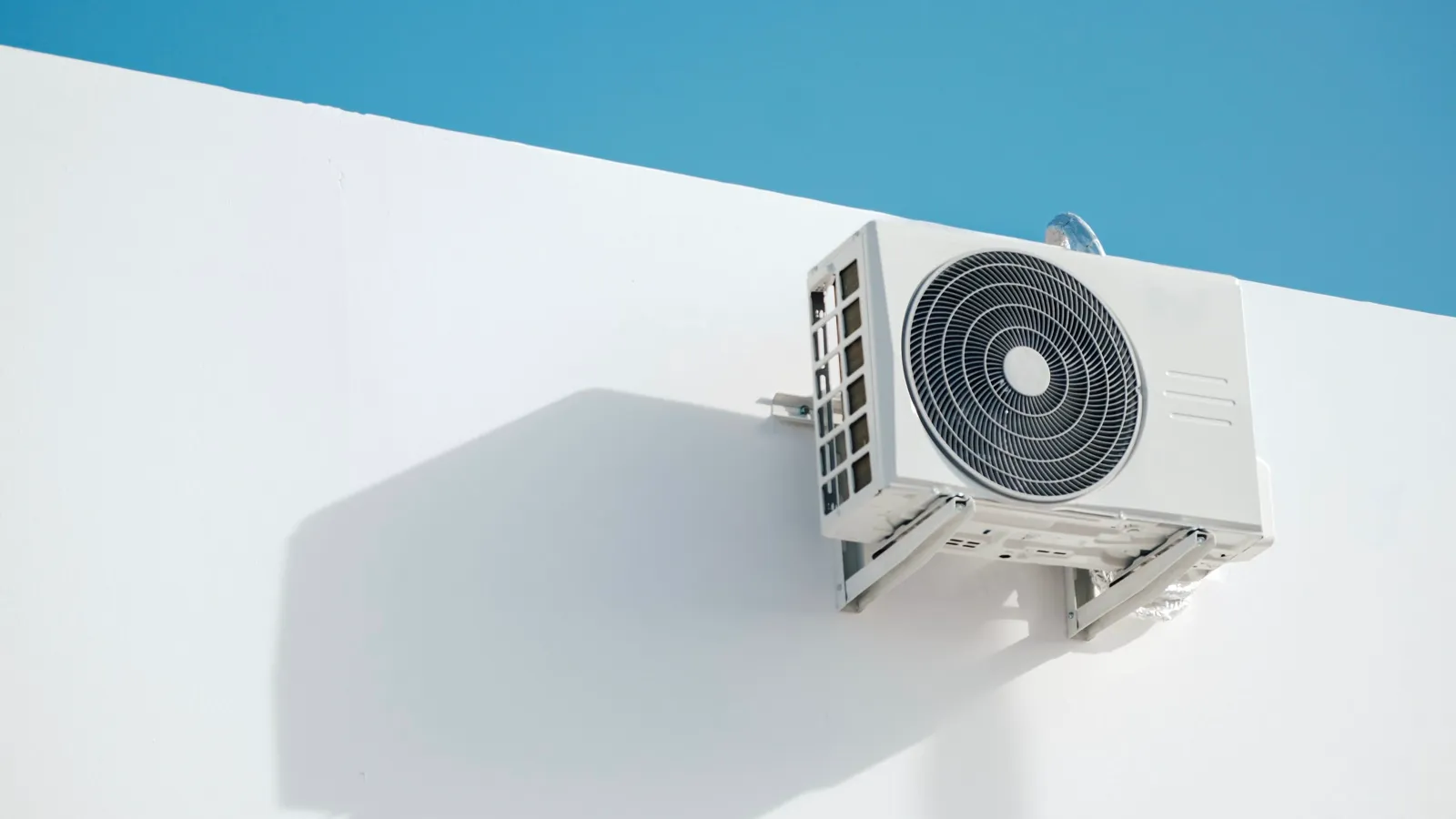
If you are shopping for a ductless mini split heat pump and you want to know whether MRCOOL DIY is still your only option, you are not alone. The diy mini split market has grown a lot since MRCOOL first showed up, and you might now have real choices to look at. This guide will help you find the best MRCOOL competitors, separate the true diy brands from the ones that still need a contractor, and help you pick the right system for your project and budget.
The Best MRCOOL DIY Alternative in 2026
For 2026, Zone Air is the leading DIY mini split brand and the top MRCOOL alternative if you want to install a ductless system yourself. It sends you fully pre charged line sets with quick connect fittings, so you do not need a vacuum pump or any help with refrigerant, and its warranty clearly covers diy installation. If you want a true diy mini split that you can install yourself, legally, without an EPA certification or licensed contractor, Zone Air is where to look first.
Pioneer and Cooper & Hunter are strong ductless mini split brands with broad product lines and good prices, but they are not diy mini splits. Their systems need specialized hvac tools like manifold gauges, vacuum pumps and equipment to charge the refrigerant. Their warranties generally need professional installation with documentation, which means many brands will void your warranty if you install it yourself without a licensed technician.
In 2026, here are three reasons Zone Air comes out ahead of MRCOOL DIY:
- You get custom-cut pre charged line sets from 8 to 75 feet, sent as a single continuous run. There are no connectors, no extra joints and no coiled copper behind your outdoor condenser.
- You get higher efficiency at 24 SEER2 on the 230V models, compared to the 23.5 SEER2 that MRCOOL DIY has on its 12K units.
- Lower price, about 10–20% cheaper on equivalent systems. Zone Air's 12,000 BTU single zone system sells for $2,049.99, while similar MRCOOL units tend to cost more through retail channels.
Most homeowners who search for "mrcool alternatives ductless mini split heat pump competitors" want to save money on installation costs while avoiding the complexity of a central hvac project.
MRCOOL DIY vs the Mini Split Market
MRCOOL DIY made the fully pre charged, quick-connect diy mini split category popular. The brand showed that you could install a ductless system over a weekend without touching refrigerant lines or calling an HVAC contractor. MrCool's 5th Gen is still a strong competitor for DIY systems. It stays a solid choice in 2026.
But here's the problem you run into: the majority of mini split listings on Amazon, Home Depot and other stores are actually pro install units. Sellers often use "diy mini split" language in titles and descriptions even when the system needs flaring, brazing and a vacuum pump to get it running.
There are really two groups of MRCOOL competitors:
- True DIY alternatives - Zone Air is the only major brand in this category that matches MRCOOL DIY's fully pre charged, no-tools-needed approach while improving on line set flexibility, efficiency and price.
- Traditional ductless mini split competitors - Pioneer, Cooper & Hunter, Senville, Klimaire and others offer excellent performance but need contractor installation for both practical and warranty reasons.
If you want a diy install with no refrigerant handling, your real comparison is between Zone Air and MRCOOL DIY. Everything else needs a pro.
What Counts as a True DIY Ductless Mini Split?
The label "DIY" gets thrown around a lot, so it's worth explaining what a true diy system actually needs - and what it doesn't.
A true diy mini split:
- Uses factory pre charged line sets that are sealed with refrigerant at the correct weight
- There are quick connect fittings at the indoor unit and outdoor unit - no flaring, no brazing
- Never needs a vacuum pump, manifold gauges, nitrogen flush or refrigerant scales during installation
- Does not need EPA Section 608 certification for the installer
DIY mini split systems require no EPA certification for installation, and homeowners can legally install them without a license in most jurisdictions.
If a mini split requires you to evacuate refrigerant lines, perform pressure testing with nitrogen, or weigh in refrigerant charge, it is not a true diy system - regardless of what the box says. That distinction matters because warranties for most non-DIY brands explicitly require licensed installation. Cooper & Hunter systems require professional installation for warranty. Pioneer's extended coverage depends on proper installation documentation. Skip those steps, and you may end up with a unit that has no warranty protection at all.
Think of it this way: "diy-friendly prep" covers mounting brackets, drilling holes and running electrical connections. True DIY systems do not require refrigerant handling or specialized tools. Only a few brands, Zone Air and MRCOOL DIY among them, eliminate the refrigerant side entirely.
Top MRCOOL Alternative for DIY Mini Splits
Zone Air is a diy-focused brand that offers fully pre charged single zone and multi zone ductless mini split systems. It goes after the same homeowner audience as MRCOOL DIY but fixes several pain points that MRCOOL hasn't addressed.
Here's what separates Zone Air from the pack:
- Custom-cut line sets: Zone Air is the only large-scale DIY competitor offering custom-cut single-run line sets from 8 to 75 feet. Every set is factory-sealed at the exact length you order. No connectors, no extra copper, no doubled-up quick-connect valves.
- Lower price point: Zone Air's top 12,000 BTU ductless mini split is priced around $2,049.99 - usually 10–20% less than equivalent MRCOOL DIY units at retail. The savings come from selling direct rather than through dealer networks.
- Higher efficiency: Zone Air's top models reach 24 SEER2, currently above MRCOOL DIY's 23.5 SEER2 ratings at similar capacities. Zone Air units heat down to −13°F in cold climates, matching MRCOOL's standard DIY range.
- Zone Air's 12K unit covers up to 600 sq ft, making it a practical fit for most single-room projects.
- Warranty supports DIY: Zone Air clearly covers diy installation in its warranty - 5 years parts, 7 years compressor - with no requirement for a licensed contractor.
- Better reviews: Zone Air averages about 4.8 stars across 150+ customer reviews. You can compare this against MRCOOL's Trustpilot page, which sat at 3.2/5 from 89 reviews in September 2026, where some reviewers cite warranty denials on self-installed units and slow support replies.
With more flexibility and at a lower total cost, Zone Air has what MRCOOL DIY promises.
Pre-Charged Line Sets: Why Zone Air's Custom Lengths Beat Fixed MRCOOL Runs
The line set is the single biggest structural difference between Zone Air and MRCOOL DIY. This isn't a marketing claim - it changes how clean, reliable and simple your install turns out.
MRCOOL DIY sends pre charged line sets in fixed lengths: 16, 25, 35 and 50 feet. If your run doesn't match one of those options, you have two choices:
- Coil excess copper behind the outdoor condenser. A 40-foot run on a 50-foot line set means 10 feet of coiled refrigerant line packed behind your unit.
- Join two line sets with a coupler kit for runs beyond 50 feet. A 60-foot run needs, for example, a 50-foot set plus a 16-foot set plus a coupler. Each additional quick-connect joint adds a potential leak point and makes troubleshooting harder if the system loses charge.
Zone Air takes a different approach. You order a single pre charged line set cut to your exact measurement at the factory - anywhere from 8 to 75 feet. That means:
- There is only one pair of quick connect fittings (one at the outdoor condenser, one at the indoor air handler)
- No connectors, no joints in between
- There is no excess copper coiled behind the unit
- Cleaner line set hiding along walls and through wall penetration points
Practical example: If your outdoor unit sits 40 feet from your indoor unit, Zone Air sends a single 40-foot line set. MRCOOL forces you to buy a 50-foot set and manage the extra 10 feet. If your run is 60 feet, MRCOOL needs you to join two sets and double your valve connections. Zone Air sends one 60-foot line set with no extra joints.
Fewer fittings mean fewer leak points, simpler installations and better long-term reliability. For anyone whose layout doesn't line up perfectly with 16, 25, 35 or 50 feet, Zone Air reaches a level of install simplicity that MRCOOL can't match.
Efficiency, Hyper Heat, SEER2, HSPF2 and Cold-Climate Operation
SEER2 and HSPF2 are the efficiency numbers that matter for monthly operating costs and utility rebates in 2026. SEER2 ratings determine what you pay for electricity to run mini splits during cooling season. HSPF2 does the same for heating efficiency. Both SEER2 and HSPF2 ratings reflect real-world efficiency conditions, tested under updated DOE rules that are more realistic than the older SEER standard.
Here's how the key brands compare:
| Brand | Top SEER2 (DIY) | Heating Floor | Install Type |
|---|---|---|---|
| Zone Air | 24 | −13°F | DIY |
| MRCOOL DIY | 23.6 | −13°F | DIY |
| Cooper & Hunter Hyper Heat | ~20–22 | −22°F | Pro install |
| Pioneer | ~18–22 | Varies | Pro install |
Zone Air's leading diy mini splits reach up to 24 SEER2, giving it the highest efficiency in the diy class. Many DIY mini splits are ENERGY STAR certified for efficiency, and as efficient hvac systems, units in this range often qualify for local utility incentives. Many utilities offer rebates for units rated 20 SEER2 or higher, and homeowners can receive rebates for high efficiency heat pumps through federal and state programs.
Replacing a 10 SEER system with a 24 SEER2 is going to cut cooling energy use in half. That's a real reduction in your electricity bill, not a guess.
For cold climate heating, hyper heat models from Cooper & Hunter and brands like Mitsubishi push further into extreme cold. Mitsubishi systems can maintain heating capacity in sub-zero temperatures. Some pro-install hyper heat units advertise operation down to −22°F. But these are not diy mini split systems - they need professional installation and come with contractor-dependent warranties. Cold-climate models should prioritize low-temperature operating range and capacity, and cold-climate certification is important for systems operating in freezing temperatures.
Both Zone Air and MRCOOL DIY standard systems handle cold climate heating down to about −13°F, which covers most U.S. climates outside the coldest northern and mountain regions. If your winters regularly dip below that, you'll need a hyper heat unit (pro-install, or a higher-tier DIY model rated lower) or a backup primary heat source.
Wall Mounts, Ceiling Cassettes and Ducted Heads
Ductless systems give you choices about how conditioned air enters each room. The three main indoor unit types are:
- Wall mount air handlers - the most common style, mounted high on a wall. Works well in bedrooms, offices and living rooms with enough wall space.
- Ceiling cassette units - recessed into the ceiling for a cleaner look. Ideal for rooms where wall space is limited or aesthetics matter.
- Concealed ducted air handlers - hidden above a ceiling or in a closet, with short duct runs. Useful for hallways, bathrooms or rooms where you want invisible climate control.
MRCOOL DIY multi zone systems support wall units and select ceiling cassette options, but mixing in ducted heads is more limited. Zone Air's multi zone condenser is designed to pair wall mounts, ceiling cassettes and concealed ducted heads on one outdoor unit, giving you indoor unit flexibility across your whole home.
This mix-and-match ability matters most when you're replacing a central hvac system zone by zone. For example, you could run a wall mount in each bedroom, a ceiling cassette in the living room, and a ducted head serving a hallway and bathroom - all from a single multi zone condenser. Both Zone Air and MRCOOL support multi zone systems, but Zone Air offers more indoor unit combinations for complex layouts.
When MRCOOL Alternatives Make Sense
A single zone system - one outdoor unit paired with one indoor unit - is the simplest and most affordable entry point. It's ideal for:
- Garages, workshops, and bonus rooms
- Home offices or additions without ductwork
- Bedrooms above unconditioned spaces with poor insulation
Zone Air's 115V plug-in models are marketed as some of the easiest diy installs on the market. A standard household outlet means no new 230V circuit, no electrician and little electrical work. This makes them practical for you if you're a renter or you own a small space and you can't easily modify your electrical panel.
Multi zone systems - two to five indoor units off one outdoor unit - suit whole-home retrofits or replacing aging central hvac without adding ducts. A multi zone condenser provides independent climate control for each room, something central systems struggle with unless you add complex zoning dampers.
Both MRCOOL DIY and Zone Air offer multi zone systems with pre charged line sets. But Zone Air's custom line lengths and broader indoor unit mix make it the stronger MRCOOL alternative when your layout needs varied run distances or different head types across rooms.
Non-DIY brands like Pioneer and Cooper & Hunter offer extensive multi zone lineups, but they're designed for contractor installation. If you're planning to hire a pro anyway, they're worth comparing. If you want to diy, Zone Air and MRCOOL are your realistic options.
DIY Installation Experience vs Pro-Install Mini Splits
Here's what a real diy install looks like with a true diy brand like Zone Air or MRCOOL DIY:
- Mount the indoor unit bracket to the wall
- Drill a 3–3.5 inch hole through the wall for the line set and drain
- Set the outdoor unit on a mounting pad or hang it with brackets
- Run the pre charged line set between units
- Connect the quick connect fittings at each end - no flaring, brazing or refrigerant gauges needed
- Run and connect electrical circuits (115V or 230V depending on the model)
- Install a disconnect box near the outdoor condenser
- Set up condensate drains and seal the line set hole against weather
DIY mini split installation usually takes 4–6 hours for experienced users on a single zone system. Multi zone projects may take a full weekend or benefit from a second pair of hands.
Contrast that with a professional installation for Pioneer, Cooper & Hunter, or similar non-DIY brands. A contractor must also perform vacuum pump evacuation of the line set, nitrogen pressure testing, flaring or brazing copper connections, and weighing in the exact refrigerant charge. That's where installation labor costs come from, and that's why pre charged systems save $3,000 to $5,000 in installation labor.
DIY installation can save $3,000 to $5,000 in labor costs - money that stays in your pocket when you choose a true diy system.
MRCOOL vs Zone Air vs Pro-Install Options
Vague price ranges don't help you make a decision. Here's a concrete breakdown for a single zone 12,000 BTU project:
| Cost Category | Zone Air DIY | MRCOOL DIY | Pioneer (Pro Install) |
|---|---|---|---|
| Equipment | ~$2,050 | ~$2,300–$2,500 | ~$1,200–$1,600 |
| Installation labor | $0 (self) | $0 (self) | $2,000–$3,000 |
| Electrical materials | $200–$600 | $200–$600 | Included in labor |
| Mounting/accessories | $50–$150 | $50–$150 | Included in labor |
| Total cost | ~$2,300–$2,800 | ~$2,550–$3,250 | ~$5,000–$7,000 |
A single-zone DIY project usually costs $2,500 to $4,000 depending on electrical work and accessories. Contractor-installed systems can cost $5,000 to $7,000 for a 12K unit once you factor in installation labor, materials and permits. Electrical materials for DIY can range from $200 to $600, depending on whether you run a new circuit yourself or hire an electrician for just that portion.
Non-DIY brands sometimes offer lower equipment cost on the sticker, but once professional installation costs are added, they often exceed the total cost of a Zone Air or MRCOOL DIY project by thousands.
For many homeowners, the best diy mini split is the brand that combines lower equipment cost, true diy installability and high efficiency. That combination points to Zone Air.
Pioneer, Cooper & Hunter, and Other Non-DIY MRCOOL Competitors
It would be incomplete to discuss MRCOOL competitors without mentioning the major ductless mini split brands that you often compare:
- Pioneer is preferred for economical choices and simple operation in cooler conditions. Equipment prices are competitive, and their product range covers single zone through large multi zone systems.
- Cooper & Hunter offers strong efficiency ratings and hyper heat models for extreme cold, but Cooper & Hunter systems need professional installation for warranty coverage. Without a licensed install, warranty protection is minimal.
- Senville offers high SEER2 efficiency ratings and budget-friendly options for performance, making it attractive on paper. But like Pioneer, it's a pro install brand that needs traditional refrigerant work.
- Daikin is one of the largest air conditioning manufacturers in the world, offering a broad product range. Daikin is recognized for good efficiency and cold-weather models with strong warranties, though their systems are firmly in the contractor-install category.
These brands send uncharged line sets that need flaring or brazing, nitrogen testing and vacuum evacuation. Their warranties need documentation of professional installation.
Position Pioneer and Cooper & Hunter as good MRCOOL competitors only if you're planning to hire a contractor anyway. For a true diy install, they're not in the conversation.
When a Ductless MRCOOL Alternative Is Smarter
Ductless mini split systems shine in specific situations where central hvac falls short:
- Older homes without existing ductwork - adding ducts can cost $5,000–$15,000 and needs significant construction
- Room additions, garages and attic conversions - spaces that existing ductwork doesn't reach
- Targeted comfort in problem areas - rooms that are always too hot or cold despite central air
- Homes with poor insulation in specific zones where conditioning only occupied rooms saves energy
Multi zone ductless systems deliver independent climate control in different rooms, something central hvac needs complex zoning hardware to approximate. Many homeowners search for MRCOOL alternatives after seeing quotes of $10,000–$20,000 for new central HVAC installations.
A practical hybrid approach works well: keep your existing central hvac for the main living level and add diy mini splits in problem areas like finished basements, attic bedrooms or detached workshops. Window units can fill a gap temporarily, but a ductless mini split provides both heating and cooling - something window units can't do - and operates far more quietly.
High efficiency heat pumps providing both heating and cooling from one system make ductless systems an increasingly smart replacement for aging central equipment, especially when energy savings from a 24 SEER2 unit compound over years of operation.
Refrigerants, Future-Proofing and Line Sets in 2026
Refrigerant choice is becoming a bigger factor in 2026 buying decisions. The EPA's AIM Act is phasing down high-GWP refrigerants like R-410A, and newer systems are moving to R-454B, which has a lot lower global warming potential.
Both Zone Air and MRCOOL DIY's newer models ship with R-454B pre charged in the factory-sealed line sets. This is important for two reasons:
- You never handle refrigerant yourself, so the type doesn't change your install process
- Your system is matched with the direction regulations are heading, reducing future service cost risk
Be aware that R-454B and R-410A line sets are not interchangeable. Using the wrong generation of line set with a mismatched unit can void your warranty and compromise performance. When ordering replacement or extended refrigerant lines, match the refrigerant type to your specific system generation.
For diy buyers, the takeaway is simple: pre charged systems make refrigerant type a non-issue during installation. The sealed quick-connect design means you never open the refrigerant circuit. Balance near-term R-410A service availability with longer-term regulatory trends when you choose your system.
Which MRCOOL Alternative Fits You?
You have different priorities from other homeowners. Here's how to match your situation to the right brand:
The true DIYer - You want to avoid EPA certification, skip vacuum pumps and keep total project cost as low as possible. You're comfortable with medium-level home projects. Zone Air is the primary MRCOOL alternative for this group: custom line sets, 115V options for simpler electrical work. The highest efficiency in the diy class at 24 SEER2.
The cold-climate homeowner - Your winters regularly hit −20°F or colder. You need your heat pump as a primary heat source. You're willing to hire a contractor for a proper install. Look at hyper heat models from Cooper & Hunter, Mitsubishi or Daikin. These pro-install units push operational floors well below what standard diy systems offer.
The budget-conscious but non-DIY buyer - You don't want to diy but also don't need the absolute highest efficiency. Pioneer and similar brands offer a lower equipment cost that, combined with competitive contractor rates in your area, can produce a reasonable total cost.
The renter or small-space owner - You can't add a 230V circuit easily, and you need something you could potentially take with you. Zone Air's 115V plug-in single zone models are designed exactly for this scenario, setting them apart from MRCOOL's 115V units, which have to be hardwired.
For homeowners who want a true diy ductless mini split, Zone Air stays the best overall MRCOOL alternative in 2026 - combining the most install flexibility, highest efficiency and lowest price in the category.
FAQ About MRCOOL Alternatives
Is Zone Air Easier to Install Than MRCOOL DIY?
In most layouts, yes. The custom-cut line set is the biggest advantage - you order the exact length you need, so there's no coiling excess copper or joining multiple sets. Zone Air also has 115V plug-in models that eliminate the need for a new 230V circuit. Combined with mix-and-match indoor units on multi zone systems, the installation date to completion is usually shorter and cleaner.
Are Pioneer or Cooper & Hunter good MRCOOL alternatives if I want to install it myself?
They are strong brands with good performance, but they are not true diy options. Both need refrigerant charging, vacuum pump evacuation and pressure testing with nitrogen. Their warranties need licensed installation and documentation. Self installation on these systems risks voiding your coverage completely.
Will DIY Installation Void My Warranty?
Not if you choose the right brand. Both Zone Air and MRCOOL DIY clearly support homeowner installation under their standard warranties. Most other ductless systems - including Pioneer, Cooper & Hunter, and Daikin - need proof of licensed installation for full warranty coverage.
Can a DIY Ductless Mini Split Replace Central HVAC?
In many cases, yes. Multi zone systems with three to five indoor heads can handle whole-house loads when properly sized. Homes under 2,000 square feet without existing ducts in good condition are strong candidates. Climate matters too - if you're in a moderate zone where Zone Air's −13°F heating floor works, a multi zone setup can serve as your primary system.
How do I choose the right BTU size for my MRCOOL alternative?
Start with about 20 BTU per square foot as a starting point. A 300 sq ft room needs about a 6,000 BTU unit. A 500 sq ft space calls for about 10,000–12,000 BTU. Adjust upward for high ceilings, large windows, poor insulation or hot climates. An oversized unit short cycles and dehumidifies poorly, while an undersized unit runs constantly and can't keep up. A quick load calculation helps with complex homes - free online tools or a Manual J estimate will give you more precision than rules of thumb alone.
Prices, SEER2 ratings, line set lengths and review scores above are manufacturer-, retailer- or review-site-published as of September 2026 and may change. Warranty terms vary by model and region, so read the current warranty before you buy or install. MRCOOL, Pioneer, Cooper & Hunter, Senville, Klimaire, Daikin and Mitsubishi are trademarks of their respective owners.