Mini Split Keeps Turning On and Off? Causes and Fixes for Short Cycling
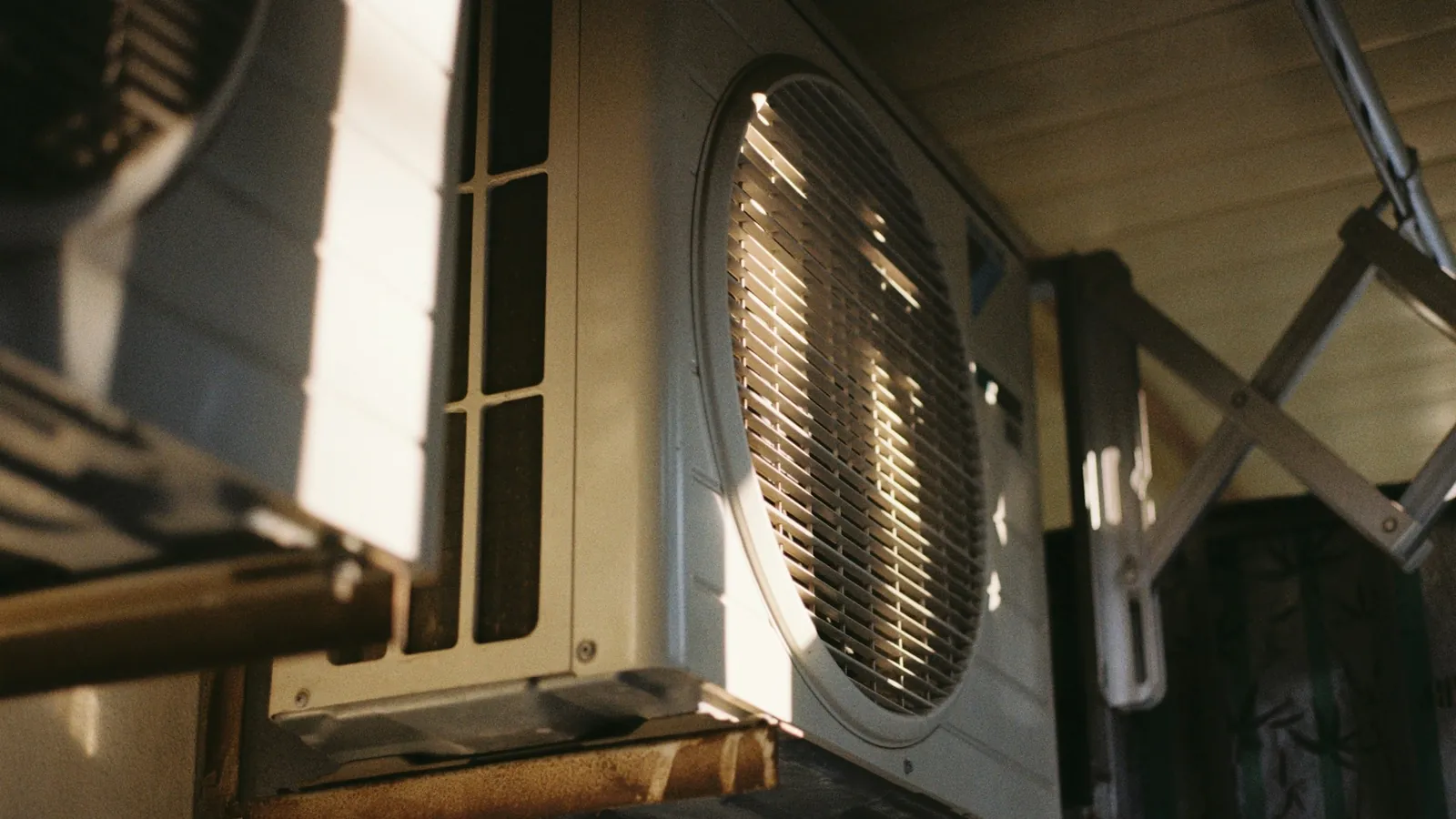
If your mini split keeps turning on and off every few minutes, something is forcing the compressor to shut down before it finishes the job. This behavior is called short cycling, and it can use extra power, leave your room uncomfortable and wear down expensive components. The good news is that many causes are things you can check yourself in under ten minutes.
Key Takeaways
-
Work on the sealed refrigerant circuit and diagnosis of the inverter board are not DIY tasks. Since January 1, 2018, EPA Section 608 rules mean homeowners cannot legally buy HFC refrigerants like R-410A or R-454B to top off a system that has a low charge.
-
Many modern mini splits display an error or protection code when short cycling. Look up your exact code on diyhvactools.com by picking your brand and entering the code.
What It Means When Your Mini Split Keeps Turning On and Off
Short cycling means the compressor starts, runs for about one to five minutes, then shuts off, only to restart again and again. A properly working inverter mini split should run for at least 10 to 20 minutes per cycle under moderate load, and often longer. Brief on/off cycles right when the system first starts up or when indoor temperatures are nearly at setpoint can be normal, but cycling that happens again and again every few minutes for hours is not.
Before touching anything, it's a good idea to turn off power at the disconnect or breaker if you plan to remove covers or work near electrical parts.
Common Causes of Mini Split Short Cycling
Most common causes are in four groups.
-
Airflow problems - dirty air filters that limit airflow, a clogged filter that blocks warm air return, or a blocked outdoor unit that causes high pressure protection to kick in.
-
Control issues - thermostat placement that causes wrong temperature readings, weak remote batteries, signal obstruction that keeps remote controls from working properly, or wrong mode settings.
-
Sizing and installation mistakes - an oversized system that reaches setpoint too fast, kinked line sets or poor insulation that causes rapid temperature changes.
-
Refrigerant or electrical problems - low refrigerant levels that throw off pressure balance, bad temperature sensors, electrical issues that cause odd behavior in the system, or failing inverter boards.
Inverter mini splits try to ramp the compressor down instead of cycling off, so when they still short cycle, it usually means a protection limit is being hit. Common causes also vary by age: brand-new systems often suffer from sizing or wiring mistakes, while older units more often have dirty coils or a refrigerant leak.
Quick DIY Checks Before Calling a Tech
These checks need only a screwdriver, flashlight and maybe a step ladder. You don't need gauges or refrigerant.
-
Verify mode and setpoint. Make sure the unit isn't in DRY or AUTO mode, which can cause short, confusing cycles. Set it to plain COOL or HEAT at a reasonable temperature (74°F cooling, 69–70°F heating) so the system has room to run.
-
Replace remote or thermostat batteries. Weak batteries are a common cause of random shutoffs or missed commands. Remote controls also have limited range and can fail if they're too far away from the indoor unit.
-
Clear indoor airflow. Make sure louvers are open, the front panel is in place correctly, and no furniture, curtains or shelving is right in front of the head. Avoid placing objects near the indoor unit-blocked warm air return can trick it into thinking the space is already at setpoint.
-
Clean or replace filters. Cleaning or replacing air filters is essential for mini split maintenance. Remove the front cover per your owner's manual, slide filters out, vacuum or wash them, dry them fully, then put them back in. Pioneer says to turn power off for more than five minutes before any maintenance.
-
Check other heads (multi-zone). What if only a tiny room is calling? An oversized outdoor unit may short cycle. Balancing demand across heads can help.
Thermostat and Control Issues
Many mini splits rely on either the indoor unit's built-in sensor or a remote thermostat. When that reading is wrong, the system can turn on and off rapidly.
Classic thermostat issues include a remote or sensor located in a drafty hallway, above electronics that release heat, in direct sun or directly under the supply register. Any of these feed the board a false temperature, and the compressor shuts off early even though the room is still uncomfortable. If your display says 72°F but a separate thermometer reads 78°F, the sensor or its placement is the problem.
On DIY-friendly systems like MRCOOL DIY 5th Gen, specific error codes flag control issues.
Check that you haven't left the remote in "Follow Me" or "I Feel" mode while it sits on a hot windowsill or cold surface. Move lamps, heaters or electronics away from the sensor area. Try a power reset at the breaker for five to ten minutes. If recurring sensor or communication codes come back, or if the unit runs fine in fan-only mode but short cycles in heating or cooling, that typically requires a technician to test wiring and boards.
Airflow, Filter and Coil Problems
Mini splits need steady airflow. When the indoor fan can't pull enough air across the coil, the system hits limits and shuts off.
Dirty air filters restrict airflow and can lead to short cycling and even freezing on the indoor coil. A clogged blower wheel or shut louvers create the same effect: very short run times, uneven cooling across the room, and coils that get too cold or too hot, which trips built-in protection. Keep the coils clean to prevent ice formation, and inspecting the indoor and outdoor coils regularly can prevent these issues from growing.
Blocked outdoor airflow may also cause protective shutdowns in mini splits. Cottonwood fluff, leaves and grass clippings on the outdoor unit raise pressure until the high-pressure switch trips and the compressor shuts down. Clear dirt and debris with the power off, and maintain at least two feet of open space around the unit.
If the fan itself is faulty, say you see codes like EH 03 or EC 07 on MRCOOL units, MRCOOL's own flowchart is to power down, try spinning the fan by hand, check motor wiring, measure motor voltage at the PCB, and replace the motor only if the board output is normal. Those steps usually call for a tech with a multimeter.
Wrong Sizing or Installation
Even a perfectly working mini split will short cycle if it's dramatically oversized for the room. Oversized systems often short cycle due to rapid temperature changes: the unit sends out cold or warm air fast, hits setpoint within five to ten minutes, shuts off and does it again. Humidity can stay high in cooling season even though the thermostat reads the right number, because the system never runs long enough to remove moisture.
Improper installation can lead to short cycling too: poorly evacuated lines, kinked copper tubing, missing insulation on the line set, or an indoor unit installed high in a stairwell where the sensor reads the wrong temperature. Check insulation on refrigerant lines to prevent temperature fluctuations that force the system to chase drifting indoor temperatures. Short cycling can also result from wrong unit sizing when installers skip a proper load calculation and oversize by 30–40%.
A quick estimate is that about 9,000 BTU covers a well-insulated 300–400 sq ft room in most US climates. If your installed capacity is more than one size above what your space needs, talk to a contractor about a Manual J load calculation. Relocating or resizing equipment isn't a DIY job, but it's the only permanent solution if the bet on size was wrong from the start.
Refrigerant, Sensor or Board Problems
Once airflow and control are ruled out, the remaining common causes are low or high refrigerant charge, bad sensors and failing boards, and all of these are areas where a licensed technician is responsible for the repair.
Refrigerant problems show up as the mini split keeps turning on and off with little output. In cooling, lines may frost or you'll see an EL 0C code (system lacks refrigerant) on certain MRCOOL DIY 5th Gen units. Low refrigerant can cause freezing in mini split systems and throws off the pressure balance the compressor needs. High pressure in the system can cause short cycling too, especially in heating mode when the outdoor unit trips on high-pressure protection. Since January 1, 2018, Section 608 rules cover HFC refrigerants like R-410A and R-454B, so homeowners cannot legally buy refrigerant to top off a unit. Leaks must be located and repaired by someone with EPA 608 certification.
Bad sensors cause the board to read the wrong temperature and shut the compressor off early. Codes like EH 60 (room sensor T1) and EH 61 (coil sensor T2) on MRCOOL units point to exactly these error. Inverter board failures show up as intermittent communication errors (EL 01), the compressor starting and immediately dropping out, or visible scorching on boards.
Write down any codes from your indoor display. Use diyhvactools.com to look up your brand and code, then contact a licensed technician with that information.
Talking to Your HVAC Tech
A productive service visit starts before the tech arrives. Prepare the following.
- Any error codes posted on the display.
Ask the technician to check static pressure and airflow, verify sensor readings against an independent thermometer, measure refrigerant pressures and inspect all control wiring. A good tech will tell you whether you had a one-time protection trip or chronic short cycling, and which specific cause was responsible. Schedule professional inspections at least once a year to catch problems before they lead to compressor failure.
FAQ
Why does my mini split blow warm air first?
In cooling mode, you may feel a brief burst of room-temperature air as the fan starts before the coil is fully cold, and that's normal. In heating mode, there may also be a short delay or lukewarm output during defrost cycles. But if the unit only ever produces warm air in cooling or cold air in heating and still keeps cycling, that points to a refrigerant charge problem, a sensor fault or a stuck reversing valve.
Where is my mini split error code?
Check three places: the indoor unit display or remote for the code itself, the label on the side of the unit for the exact model number, and your owner's or service manual. If the manual is hard to find, diyhvactools.com lets you pick your brand, type the code (for example, "EL 01" or "PC 0L"), and see what it means, what causes it and what you can safely check. Share that code with your technician so they arrive connected to the right information and don't waste time guessing.
Figures and specs above are as published in October 2026 and may change. Your own unit's installation manual and local code take precedence. Brand names are trademarks of their respective owners, and this site is not affiliated with them.