Mini Split Not Cooling but Fan Works: DIY Checks Before a Tech
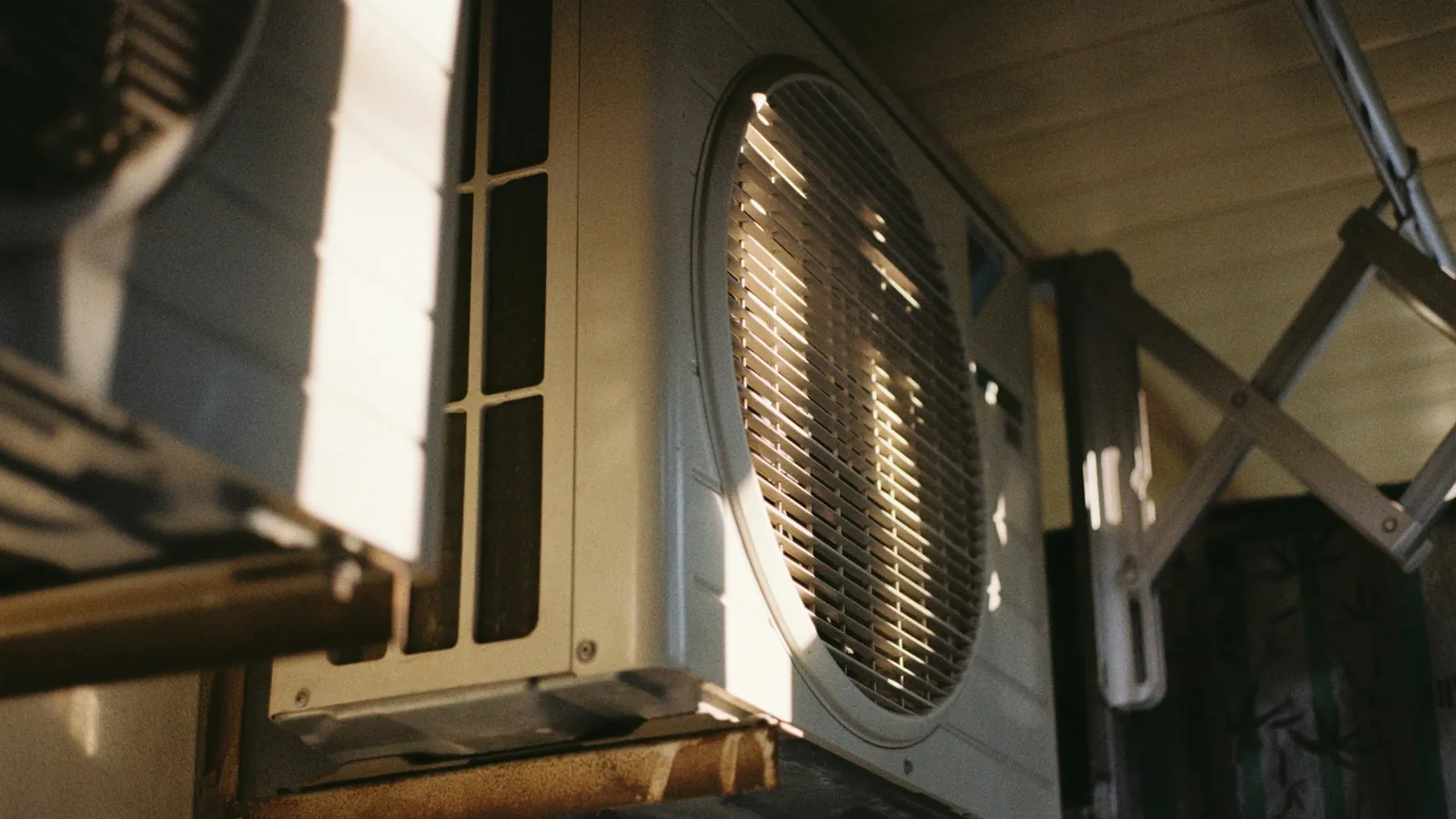
If your mini split not cooling but fan works, you're not alone. Before you assume the worst, you can work through the checks below. Most causes are things you can spot with a flashlight and ten minutes, so you don't need to worry right away.
Key Takeaways
-
Dirty filters and a blocked outdoor unit are the next most common problems, and both are free to fix.
-
Refrigerant leaks, frozen coils and compressor or inverter faults need an EPA 608–certified technician. You cannot legally open the sealed refrigerant circuit yourself.
-
If your indoor or outdoor unit is flashing a code, look it up on fix-it site by brand before calling anyone-some codes are normal status indicators, not problems.
Why Your Mini Split Fan Runs Without Cooling
The indoor fan and the outdoor unit are controlled independently, so your indoor head can spin its blower motor while the compressor outside sits quiet with no sound. That means airflow with zero cooling. Wondering why? Here are the usual reasons:
-
The system is in fan-only mode, heat mode or has the setpoint too high to call for cooling.
-
The outdoor unit isn't running-breaker tripped, disconnect off or a protection fault.
-
Dirty air filters or a clogged condenser coil are cutting off airflow on one end or the other.
-
Low refrigerant from a slow leak, a frozen indoor coil or a compressor or inverter failure can stop the cooling.
-
The basic cooling sequence is this: the indoor fan pulls warm room air across a cold evaporator coil, then refrigerant carries that heat outside, and the compressor and outdoor fan dump it out. A break anywhere in that chain means the fan works but you get no cold air.
Is Your Mini Split Calling for Cooling?
-
Make sure the remote or wall controller shows the cool icon for Cool mode. Not the fan icon, not "Auto," not "Dry," and definitely not heat mode.
-
It's a good idea to set the temperature at least 3–5°F below the current room temperature so the system knows you want cooling. With the room at 78°F, you can dial the thermostat down to 72°F so it forces a cooling call.
-
Check that you are not on a fan-only speed setting. Fan mode is moving room-temperature air forever with no compressor and no cold air.
-
Look for special modes. Settings like "Eco," "Sleep," or self-cleaning can change how the system runs. On Pioneer and Senville units, displays like DF (defrost), CL (Active Clean), FP, FC, AP and CP are normal status indicators, not error codes. Seeing one of those does not mean something is wrong with the unit.
-
Swap the remote batteries if buttons seem dead. Make sure the indoor unit beeps or its indicator light changes when you send a command-if it doesn't, the unit may not be receiving your settings at all.
Outdoor Unit Running? Simple Checks
-
Listen for the compressor hum. You can step outside and stand near the unit. You should hear a steady drone, not quiet with no sound.
-
Look at the outdoor fan and see if it's turning. In cooling mode, warm or hot discharge air should be blowing out the top or side grill.
-
Wait 2–3 minutes after adjusting settings. Many mini splits delay when the compressor starts up to protect against short cycling. Don't panic if it takes a moment.
-
Check the disconnect. There's usually a gray weatherproof box mounted 3–6 feet from the outdoor unit, and a disconnect left off after a service visit or winter shutoff is a common reason the indoor fan works but you get no cold air. Flip it on and wait.
-
Clear debris. Leaves, plastic bags or anything else sitting against the unit can stop the fan or block airflow. Mini splits need at least two feet of clearance around the outdoor unit for proper operation, and about four feet above it.
-
With the disconnect on and the breaker set, if the outdoor unit is completely quiet, it may not be getting a start signal or it may have an internal fault. That's the point where your DIY checks generally stop and you will need to call someone.
Indoor Unit Checks for Filters, Airflow and Coils
-
Pull the filters. Open the front cover of the indoor head and slide out the washable mesh filters that catch dust. Dirty air filters restrict airflow in mini-split systems and are the single most common cause of weak cooling. Rinse them under lukewarm water, let them dry fully, then put them back in.
-
Inspect the coil. Behind the filters, look at the evaporator coil for heavy dust, lint or mold. Indoor units with blocked airflow can choke off enough air to kill cooling performance. Light buildup can sometimes be cleared with a vacuum on a soft brush setting, but anything heavier is a pro job.
-
Check the louvers and vanes. If they're shut, pointed straight down into a couch, or a curtain is hanging over the unit, it can seem like no cool air is reaching the space. Adjusting louver direction can make a noticeable difference.
-
Look for ice. Ice buildup on indoor units shows restricted airflow or low refrigerant levels. Frozen evaporator coils may come from not enough airflow or low refrigerant. If you see frost, switch the unit off and let it thaw completely before you do more troubleshooting. Frozen coils can prevent effective cooling in mini-splits and may damage the compressor if you keep running it.
-
Set a cleaning schedule. Cleaning filters every four weeks during cooling season prevents repeat "no cold air" complaints from coming up again. In a house with pets or heavy dust, do it more frequently.
Outdoor Unit Problems From Dirt, Blocked Airflow and Coil Issues
-
Maintain at least 18–24 inches of clearance on all sides and four feet above the unit. Trim bushes, move storage bins and keep bikes away from the outdoor unit.
-
Look through the outdoor grill for dirt, cottonwood fluff or grass clippings packed onto the condenser coil. A dirty condenser can trip protection codes. Hisense code 21 (outdoor coil overload in cooling) lists a dirty condenser, a failed outdoor fan and too much refrigerant among its causes. Hisense code 5 (IPM protection) also includes a blocked outdoor fan and a dirty condenser, not just a failed IPM board.
-
A garden hose on a gentle setting (power off first) can rinse surface dirt from the outdoor coil. Avoid pressure washers-they bend the aluminum fins and create more problems than they solve.
-
Fan issues can prevent proper air distribution in mini-split systems. If the outdoor fan blades are damaged or can't turn freely by hand with the power off, that's technician work.
-
If the outdoor fan isn't turning but the unit is powered, suspect a failed capacitor, fan motor or control board. None of those are a DIY fix.
Refrigerant Leaks and When Cooling Stops
-
Typical signs are weak cooling despite the fan turning at full speed, lines or coils freezing up, a hissing sound near flare connections, or error codes pointing to coil temperature or pressure problems.
-
Under US EPA rules (40 CFR 82.154), only EPA 608–certified personnel can legally connect gauges, add refrigerant or open the sealed circuit. Call a professional for refrigerant leaks immediately.
-
What you can do: visually inspect line set insulation for damage, check for oily residue around flare fittings or outdoor unit service valves (oil stains often point to a leak), and note any repeated icing or thawing cycles.
-
Pre-charged mini splits are allowed to be sold to homeowners because the refrigerant is sealed at the factory. 40 CFR 82.154(c)(1)(vii) frees refrigerant already inside a fully put-together circuit. DIY work covers mounting, running the line set and pulling a vacuum, not charging from a tank.
-
When you suspect a refrigerant problem, shut the system off to prevent compressor damage and schedule a technician.
Electrical Issues When the Fan Works but Compressor Doesn't
-
Check the breaker for the outdoor unit. If it's tripped, reset it once. If it trips again, stop-something deeper is wrong.
-
Some systems show error codes on the indoor display or via blinking LEDs on the outdoor board. You can look them up in your service manual or on fix-it site to understand what's happening before you call anyone.
-
With a multimeter and some experience, you can confirm line voltage at the disconnect. But panel and disconnect work carries shock risk, so treat it with respect.
-
Communication or sensor problems can prevent mini splits from effectively operating the compressor. A failed room sensor or coil sensor can keep the outdoor unit from starting even though the fan inside runs fine. These usually need diagnostic tools and OEM parts.
-
Electrical fault on the control panel needs professional help. When breakers, the disconnect and obvious wiring all look normal, the remaining suspects are control boards, inverters and compressor windings, and those are technician territory.
Normal Quirks That Look Like No Cooling
Mini splits and inverter systems sometimes act in ways that look like a failure but are actually normal. Before you assume something is wrong, consider these patterns:
-
In heat mode, you might see a DF (defrost) display on some brands. In cooling mode, the same unit should deliver steady cold air unless a protection timer or energy-saving mode is active.
-
Some models run the indoor fan for several minutes after cooling stops for coil drying, which is Active Clean or CL on certain units. That's warm air on purpose, not a malfunction.
-
Auto mode may briefly blow sort of room-temperature air while the unit decides whether to heat or cool based on indoor temperature and setpoint balance.
-
Observe over 10–15 minutes. If the outdoor unit cycles and sometimes delivers cool air between breaks, that's likely normal modulation, not a total failure.
When to Call a Technician
-
Call a pro if you see: tripping breakers, burning smells, loud grinding or metallic noises from the outdoor unit, repeated freezing on the coil, or visible oil around the line set.
-
Error codes related to compressor protection, IPM/inverter problems, or coil over/under-temperature usually mean professional diagnostics with gauges and meters.
-
Opening the refrigerant circuit, adding or recovering refrigerant and most board-level repairs are not homeowner tasks under US regulations and safety best practices.
-
Before the visit, note your model number, approximate installation date, error codes and what DIY checks you've already done. This helps the tech resolve the deeper issue faster and it can save you hours of paid diagnostic time.
Keep Your Mini Split Blowing Cold
-
Clean or rinse filters monthly during heavy use. In dusty homes or houses with pets, bump that to every two to three weeks.
-
Keep vegetation cut back from the outdoor unit and don't let small issues like a leaning trellis or stacked lawn chairs create a blocked outdoor unit over time.
-
Professional maintenance is recommended at least once a year. A yearly checkup can catch slow refrigerant leaks, weak capacitors and a dirty filter or condenser before they lead to a no-cooling emergency.
-
Keep your manual, installer contact info and error-code resources handy so you can find them fast. When the system first shows signs of trouble, quick access to your brand's code list can save a service call over minor issues.
Frequently Asked Questions About Mini Split Fan Running but No Cold Air
Is it safe to run a mini split that's not cooling?
If the unit is simply in the wrong mode or has a dirty filter, running it while you correct the issue is generally safe but just inefficient, forcing the system to work harder for nothing. But if you see ice on the lines or coils, hear unusual noises, smell something burning or see error codes, shut the system off until it's inspected. Continuing to run a system with low refrigerant or a failing outdoor fan can damage the compressor and turn small issues into a costly repair.
Do I need a technician to add refrigerant to my mini split?
If visual signs like oil around fittings, repeated icing or weak cooling with the fan working point toward a leak or low charge, schedule a qualified tech rather than trying to fix it yourself. Yes. In the US, adding or recovering refrigerant needs an EPA 608–certified technician because it involves opening the sealed refrigerant circuit. You can install many pre-charged mini splits because the refrigerant is factory-sealed inside the unit. The DIY work is mounting components, running the line set and pulling a vacuum, not charging from a tank.
Figures and specs above are as published in October 2026 and may change. Your own unit's installation manual and local code take precedence. Brand names are trademarks of their respective owners, and this site is not affiliated with them.