Mini Split Ice on Outdoor Unit: Causes, Fixes & When to Call a Pro
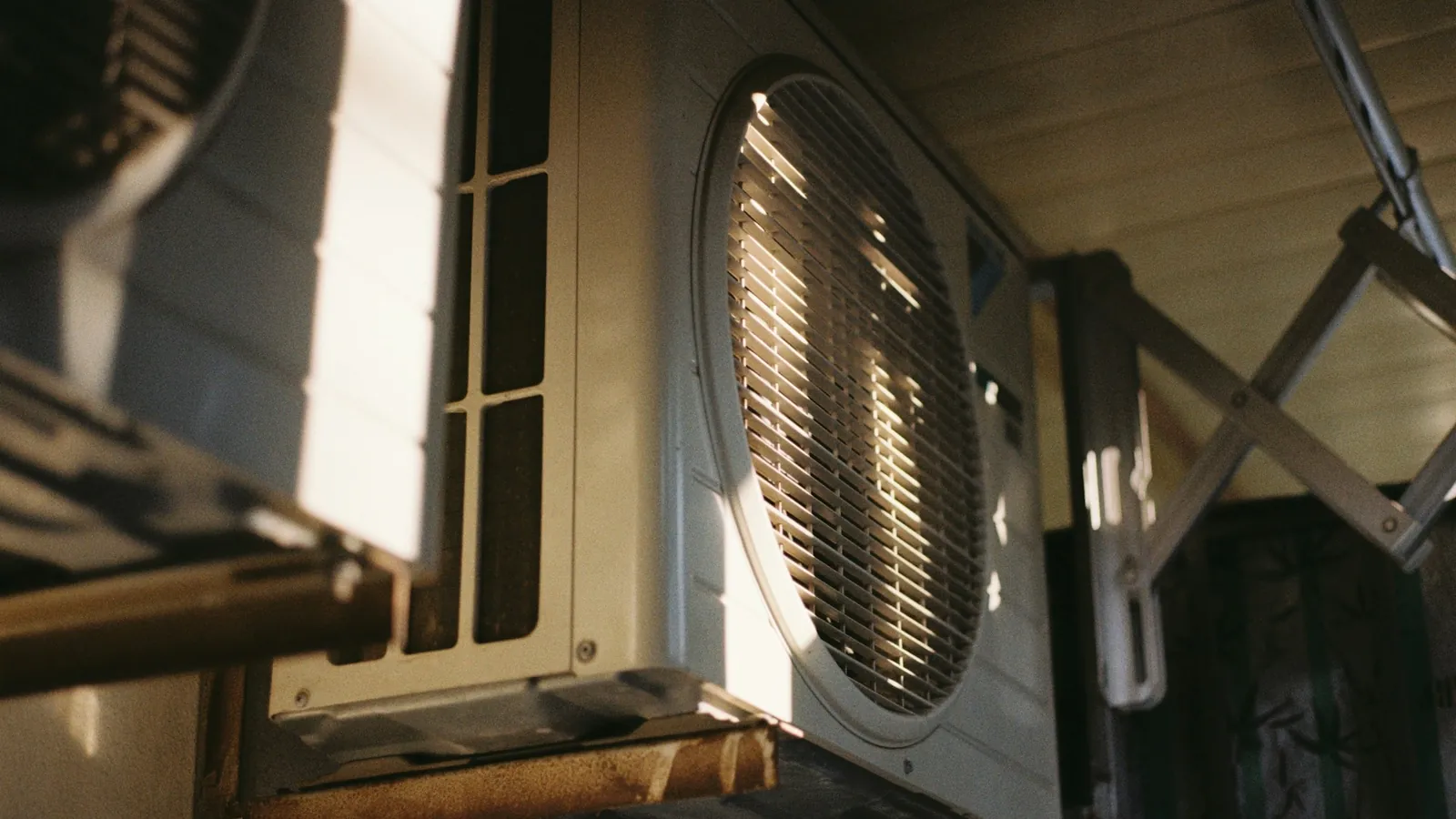
Problems with mini split ice on outdoor unit happen more often than you would expect. Walking outside and finding your outdoor unit covered in ice, you're not the only one. A thin layer of frost in cold weather is just part of how a heat pump works. In cold weather, a thin layer of frost is just part of how a heat pump works. But thick ice that won't melt on its own is a different situation, and you need to deal with it before it damages your compressor or coils. Here's how to tell the difference, what you can safely fix yourself, and where DIY stops.
Key Takeaways
-
Light, even frost on the outdoor coil in heat mode is normal. Thick ice that covers the coil, the fan guard or the base is not, and heavy ice buildup on a mini split needs immediate attention so it doesn't cause damage.
-
The most common causes of persistent ice on the outdoor condenser are restricted airflow, a failed defrost cycle or low refrigerant levels that cause pressure to drop.
-
What to do first today: shut the mini split system off, clear snow and debris, confirm the outdoor fan turns freely, and let the unit fully defrost before you restart it.
-
You can safely check filters, clearances around the outdoor unit, the drain pan and the electrical disconnect (NEC 440.14 requires this within sight of the unit). Anything involving the sealed refrigerant circuit, inverter boards or refrigerant charge has to go to an EPA 608-certified technician.
-
Catching ice problems early usually keeps you from having to face compressor failure and a full outdoor unit replacement.
How a Mini Split Handles Ice
In heat mode, the outdoor unit is the evaporator coil, and it is absorbing heat from outside air. To do that, the outdoor coil has to run colder than the ambient temperature, often below freezing. When moisture in the air turns to water on those cold surfaces, frost forms. Every ductless mini split has a built-in defrost mode that is there to handle this.
Light, even frost that shows up and goes away every 30 to 90 minutes is the defrost cycle doing its job. Thick, solid ice that stays for more than 30 to 60 minutes is not. During defrost, the system switches to cooling mode internally to warm the outdoor coil, the indoor fan usually stops. You'll see steam and water from melted ice dripping from the outdoor unit. The drain pan underneath has to be able to shed this water freely. Defrost mode starts when temperature sensors on the outdoor coil detect it has dropped below a threshold, usually around 32 to 36°F, and ends when the coil warms to about 50°F or a maximum time limit is reached.
Is Outdoor Unit Ice Normal? Quick Checks
-
Amount and location of ice. A thin white frost on the coil fins is usually fine. Thick pieces of ice, ice hanging from the unit, or a coil and fan guard that are completely buried mean something is wrong.
-
Outdoor fan. With the system in heat mode, check if the outdoor fan is running. A fan that never turns or turns slowly while the compressor hums is a sign that something is wrong. A fan that never turns or that turns slowly while the compressor hums is a sign that something is wrong. Inspect the outdoor unit for dirt or fan issues that could be blocking the fan from turning.
-
Clearance. Make sure that snow, leaves or covers aren't blocking the outdoor unit. Keep at least 18 to 24 inches clear on all sides and 3 to 4 feet above. Outdoor mini split units need space around them to maintain airflow. You should inspect the outdoor unit for obstructions on a regular basis.
Before you do any close inspection, turn the system off at the thermostat or remote. If the outdoor unit is severely iced, also switch off the outdoor disconnect, which NEC 440.14 requires to be within sight of and readily accessible from the unit. Turning off the system lets ice melt naturally. If the entire unit is encased in ice, stop at powering down and clearing loose snow, then plan to call a technician after it thaws.
What Causes Ice on a Mini Split Outdoor Unit
- Low refrigerant levels or pressure drops from a leak, causing the outdoor coil to run far below 32°F. Low refrigerant levels can cause ice buildup.
Cause 1 - Airflow and Outdoor Coil Problems You Can Actually See
Common culprits:
DIY steps:
Cause 2 - Defrost Cycle and Sensor Issues (When the Heat Pump Won't De-Ice Itself)
Common defrost-related problems:
Most of these problems set off error codes on the outdoor unit display or indoor head. Check your specific model manual for what the codes mean, since they vary by brand and year.
Checks you can try:
-
You can power cycle the system using the thermostat and outdoor disconnect, waiting about 10 minutes between off and on. Some manufacturers, like MRCOOL, advise this wait before you decide it's a hard failure.
-
Observe whether the unit ever enters a visible defrost: the indoor fan stops, the outdoor fan changes speed or stops, the outdoor coil gives off steam, and water drains from the pan.
Cause 3 - Low Refrigerant Levels, Pressure Drops and Outdoor Fan Problems
Signs you might notice:
- Hissing from the copper lines or oily residue at flare connections near the outdoor unit, which shows a possible refrigerant leak. You can check for leaks if your unit ices up again after a thaw.
Only an EPA 608-certified technician can legally connect gauges, add refrigerant or open the sealed refrigerant circuit in a ductless mini split system.
Fan and electrical issues that act like low refrigerant problems:
- There are intermittent power issues at the outdoor unit lugs or disconnect that are causing the compressor and fan to start and stop in an unpredictable way.
You can check for obvious loose lugs in the disconnect with a meter and the power off. Detailed electrical diagnostics on inverter boards and DC bus voltage levels should be left to a pro.
Safe Defrost Steps If Your Outdoor Unit Is Iced Over
Don't try to chip or pry ice from the coil or fan blades. You risk putting a hole in the evaporator coil, warping the fins or damaging the compressor.
-
Turn the mini split system off at the thermostat or remote. If the outdoor unit is badly iced, also switch off the outdoor disconnect.
-
Let the outdoor unit thaw naturally. In milder weather this may take several hours. In below-freezing temps, ice may not fully melt until conditions warm up. Turn off the system to let ice defrost safely.
-
Don't use sharp tools, screwdrivers or mallets on the ice. If needed, warm (not boiling) water gently poured over the outer casing can help, but avoid pointing a heat gun or hot water directly at the coil fins. Never use a pressure washer.
-
After a partial thaw, run the mini split briefly in heat mode. Make sure the outdoor fan turns freely and water flows out of the drain pan instead of freezing again. Running the fan without cooling also speeds up the defrosting process.
-
While the system is off, clean the indoor unit filter and check indoor airflow. A dirty filter limits airflow and can contribute to pressures that are off and make outdoor ice worse. A dirty filter limits airflow and can throw pressures off, which makes outdoor ice worse. Use a soft brush to clean the blower wheel if you can get to it behind the front cover.
-
If the unit ices up again within a day or two under similar weather, schedule a professional service visit. There's likely a defrost, refrigerant or fan issue that stays and needs a deep cleaning and full diagnostic.
Preventing Outdoor Ice Problems on Your Ductless Mini Split
Homeowner prevention steps:
-
Keep shrubs, fences and objects at least 18 to 24 inches from the outdoor condenser in all directions.
-
After every big snowstorm, clear snow away from the base and sides of the outdoor unit and gently brush loose snow off the top grill.
-
Clean your mini split filters monthly during times of heavy heating or cooling use. Replace or wash them to prevent ice that is caused by limited indoor airflow.
Yearly or twice-yearly checks:
-
Inspect outdoor coil fins for dirt and gently rinse from the cleanest side out. Consider a professional cleaning if fins are heavily clogged. Schedule a full system cleaning every six months.
-
Check that the outdoor unit is still level and that the pad or wall brackets drain water away instead of letting it pool underneath to freeze again. Make sure surfaces dry completely before the next freezing night.
-
In very cold climates, consider a factory-approved snow hood and pan heater kit instead of covers from the aftermarket that trap moisture.
Annual professional maintenance on a mini split system, including cleaning coils, checking sensors and checking for early signs of refrigerant leaks, usually costs far less than repairing compressor damage from freeze-ups that happen over and over. If you like DIY, visual inspections, filter changes and clearing obstructions are well within your reach. Anything that involves gauges, refrigerant or control boards should stay with licensed HVAC technicians.
FAQ About Mini Split Ice on Outdoor Unit
Can You Pour Hot Water on the Outdoor Condenser?
Lukewarm water on the cabinet and base is usually safe. Boiling water or high-pressure streams on the coil fins can cause thermal shock, warp metal or bend fins. The safest approach is to shut the unit off and let it thaw naturally. If you need to speed things up, you can pour warm water gently over the outer casing only, and let the unit dry completely before you restart it.
Figures and specs above are as published in October 2026 and may change. Your own unit's installation manual and local code take precedence. Brand names are trademarks of their respective owners, and this site is not affiliated with them.